English


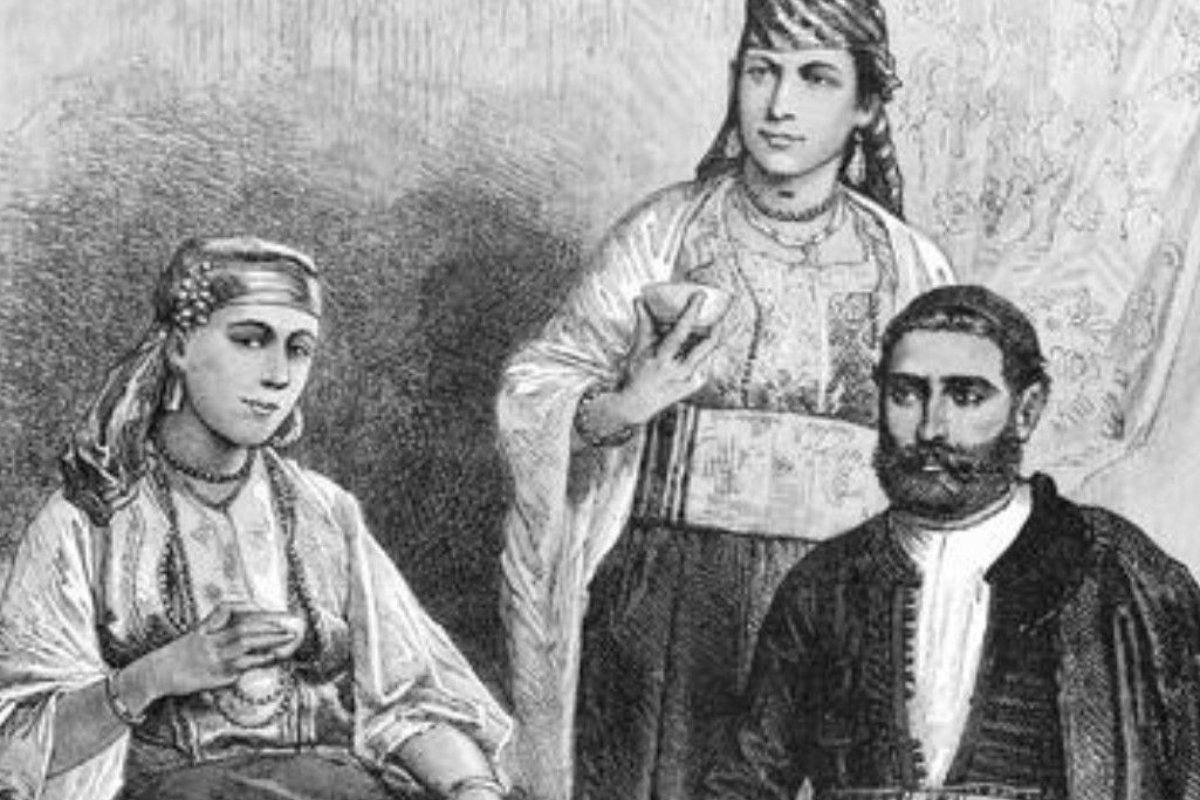
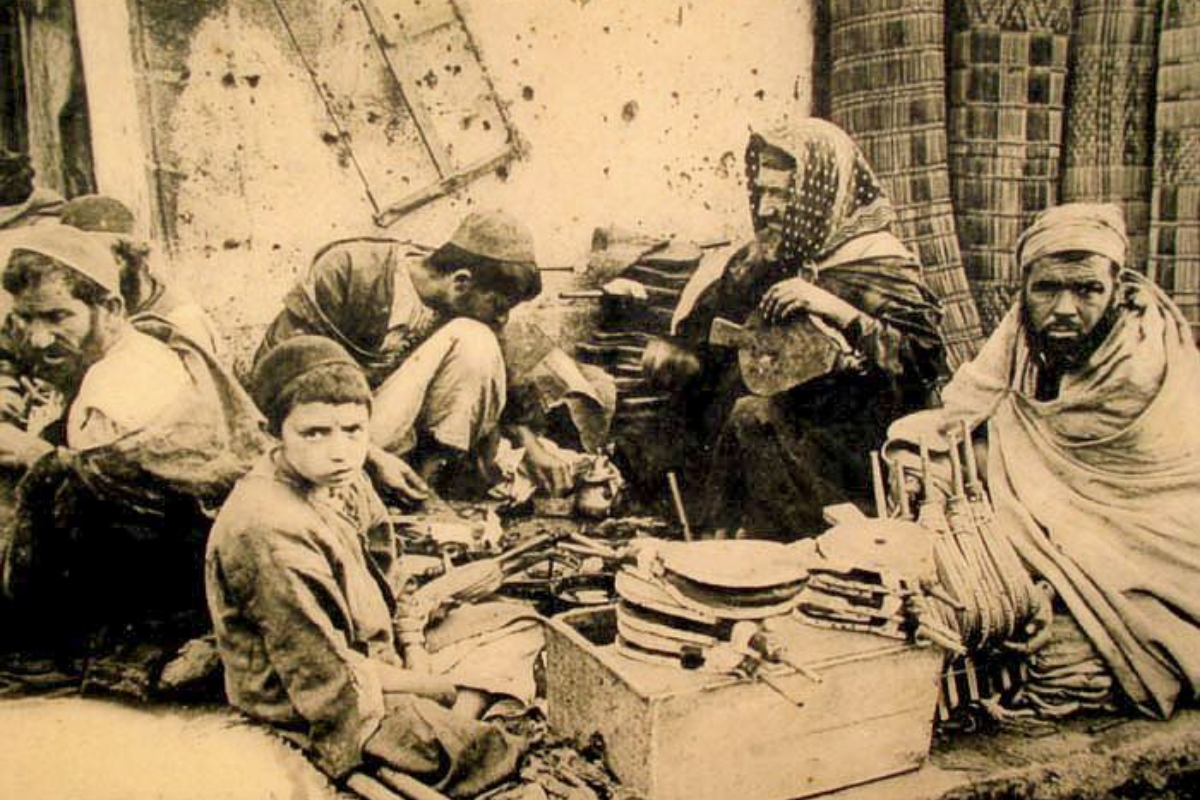
Morocco’s Jewish heritage? Have you ever wondered about the incredible story of Jewish life in Morocco?
Picture this: for over 2,000 years, Jewish communities have called Morocco home. They created a rich tapestry of culture, tradition, and history that still thrives today.
In fact, Morocco was once home to the largest Jewish community in the entire Muslim world. This remarkable history deserves to be explored and celebrated.
Therefore, the morocco jewish heritage represents one of the most fascinating and little-known cultural stories in all of North Africa.
If you’re planning a trip to Morocco and want to explore this heritage, you’re in for an incredible journey. From ancient synagogues to vibrant Jewish quarters, Morocco offers unique cultural experiences.
Moreover, these experiences simply cannot be found anywhere else in North Africa. The depth and authenticity of Jewish-Moroccan culture is truly extraordinary.
Jewish Heritage Tours Morocco have grown tremendously in popularity over recent years. Travelers from around the world are discovering this remarkable hidden chapter of Moroccan history.
Historical Overview: Jews in Morocco Through the Ages
The story of morocco jewish heritage spans more than two millennia. It is one of the oldest and richest Jewish diaspora stories in the world.
Understanding this history transforms a simple visit into a profound cultural experience. Every synagogue, every mellah, and every cemetery tells a story of resilience and coexistence.
Furthermore, this historical depth is exactly what makes Jewish Heritage Tours Morocco so meaningful. Context turns ancient stones into living narratives.
Ancient Roots and Early Beginnings
Jewish communities first arrived in Morocco over 2,000 years ago. Some came as traders along ancient routes, while others fled persecution in other lands.
What makes Morocco special is how these communities weren’t just tolerated — they flourished. This is a crucial distinction in understanding morocco jewish heritage.
Furthermore, archaeological evidence suggests Jewish presence in Morocco even before the Roman period. Ancient inscriptions and artifacts confirm this remarkably early arrival.
The Berber tribes of Morocco showed unusual openness to Jewish settlers. Many historians believe some Berber tribes even converted to Judaism in ancient times.
Moreover, this early integration laid the groundwork for centuries of peaceful coexistence. The relationship between Jewish and Muslim Moroccans became a model rarely seen elsewhere.
The Islamic Golden Age: A Period of Remarkable Flourishing
During the Islamic Golden Age, Jewish scholars, doctors, and merchants played vital roles in Moroccan society. They worked alongside Muslim neighbors in remarkable harmony.
Their contributions to science, medicine, and trade were substantial and widely recognized. This period created the foundation for the unique Jewish-Moroccan culture we can still experience today.
Furthermore, cities like Fes became renowned centers of Jewish learning and philosophy. The intellectual exchange between Muslim and Jewish scholars produced extraordinary works.
Maimonides, one of the greatest Jewish philosophers in history, lived in Fes during this period. His legacy remains a cornerstone of morocco jewish heritage.
Moreover, Jewish artisans developed distinctive craft traditions during these centuries. Their metalwork, jewelry, and textile designs blended Jewish symbols with Moroccan aesthetics.
This cultural fusion is what makes Morocco Photography Tours focused on Jewish heritage so visually compelling. The artistic legacy is simply stunning.
The French Protectorate Era
When France established its protectorate in Morocco in 1912, Jewish communities experienced significant changes. Many moved from traditional mellahs to newer parts of cities.
This period brought modern education and new opportunities. However, it also began changing traditional ways of life that had existed for centuries.
Furthermore, the French influence introduced new architectural styles to Jewish quarters. This blend of traditional and colonial architecture creates fascinating subjects for Photo Tours today.
Despite these changes, Moroccan Jews maintained their unique cultural identity. Traditional music, cuisine, and religious practices continued to thrive throughout the protectorate period.
Moreover, this era produced remarkable leaders who bridged Jewish and Moroccan identities. Their legacy continues to inspire visitors exploring morocco jewish heritage today.
King Mohammed V and the Protection of Moroccan Jews
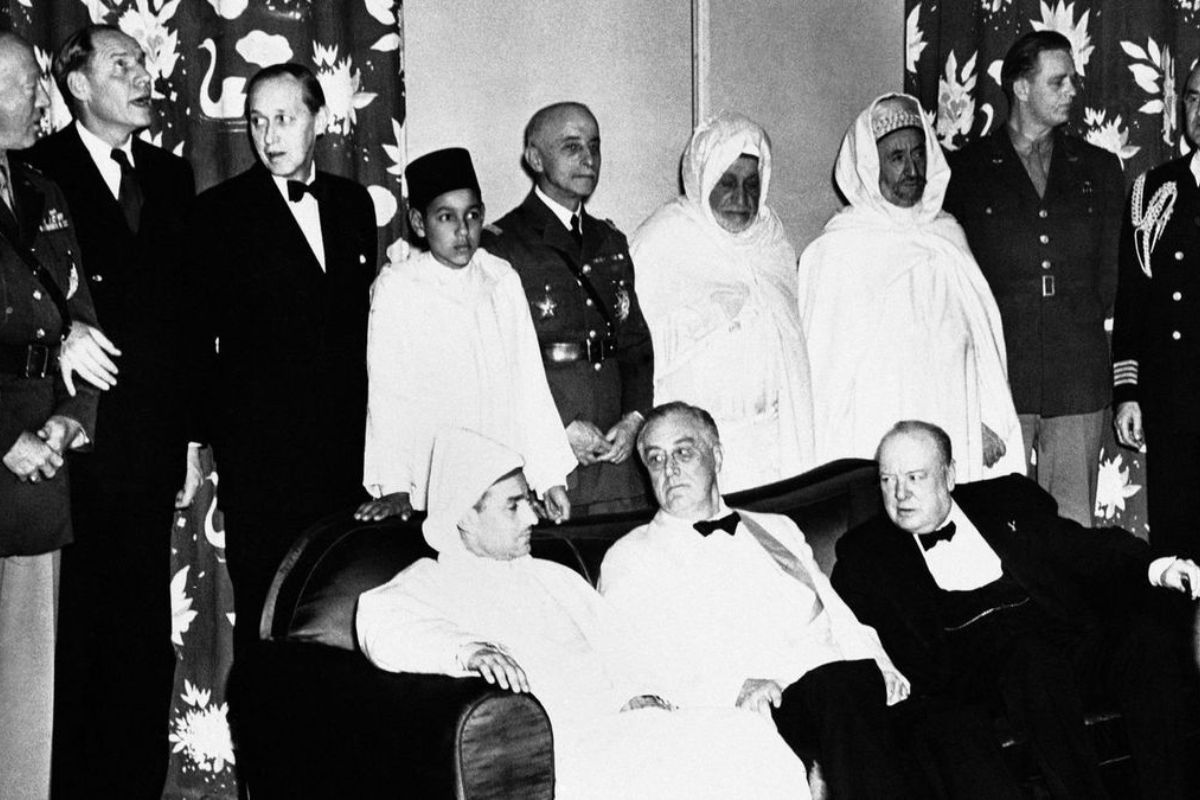
One of the most powerful chapters of morocco jewish heritage occurred during World War II. King Mohammed V famously refused to hand over Moroccan Jews to the Vichy French authorities.
His legendary statement — “There are no Jews in Morocco, only Moroccan citizens” — demonstrated extraordinary moral courage. This act of protection saved thousands of lives.
Furthermore, this royal protection created a bond between the Moroccan monarchy and Jewish communities that endures today. King Mohammed VI continues this tradition of tolerance and respect.
This remarkable story of protection is a highlight of every Jewish Heritage Tours Morocco itinerary. Guides share this history with palpable emotion and pride.
Moreover, this chapter distinguishes Morocco from virtually every other country during that dark period. It is a testament to Moroccan values of coexistence and humanity.
The Jewish Quarter (Mellah): Living History in Every City
Every major Moroccan city contains a mellah — the traditional Jewish quarter. These historic neighborhoods are essential stops on any morocco jewish heritage tour.
The mellah of Fes is the oldest in Morocco, established in 1438. Its narrow streets, distinctive architecture, and ancient synagogues transport visitors centuries back in time.
Furthermore, the Fes Photography Tour through the mellah reveals extraordinary visual stories. Crumbling balconies, Star of David carvings, and Hebrew inscriptions create powerful photographic subjects.
Marrakech’s mellah is one of the largest in Morocco. The Lazama Synagogue and the nearby Jewish cemetery are among its most important sites.
Moreover, the Marrakech Photography Tour captures the unique atmosphere of this quarter. The contrast between the Jewish and Muslim quarters creates compelling visual narratives.
Exploring Jewish Heritage in Fes
Fes holds perhaps the richest concentration of morocco jewish heritage sites. The city’s mellah contains over a dozen historic synagogues.
The Ibn Danan Synagogue has been beautifully restored. Its turquoise tiles and carved wooden galleries exemplify the unique Jewish-Moroccan artistic style.
Furthermore, the Jewish cemetery of Fes stretches across a hillside with thousands of whitewashed tombs. These graves span centuries and tell stories of prominent rabbis, scholars, and community leaders.
The Fes Photography Tour dedicated to Jewish heritage captures moments of extraordinary beauty. Morning light filtering through synagogue windows creates images of unforgettable power.
Moreover, local guides in Fes possess deep knowledge of Jewish history. Their stories bring abandoned synagogues and quiet cemeteries back to vivid life.
Custom Morocco Tours focused on Fes’s Jewish heritage can spend multiple days exploring these treasures. There is simply too much to discover in a single visit.
Marrakech’s Vibrant Jewish Legacy
Marrakech’s morocco jewish heritage is equally rich and deeply fascinating. The city’s mellah dates back to the 16th century.
The Lazama Synagogue remains an active place of worship. Its beautiful courtyard and ornate interior showcase the artistic traditions of Moroccan Jews.
Furthermore, the Miaara Jewish Cemetery is the largest Jewish cemetery in Morocco. Thousands of tombs spread across several hectares tell the story of a once-thriving community.
The Marrakech Photography Tour through these sites captures the intersection of faith, art, and history. The visual richness of these locations is extraordinary.
Moreover, Marrakech’s mellah has been partially transformed into a bustling spice market. This evolution from Jewish quarter to commercial hub tells its own fascinating story.
The Negidim Museum (Museum of Moroccan Judaism in Marrakech) preserves artifacts and documents. It provides essential context for understanding the Jewish presence in southern Morocco.
Tangier: Where Continents and Cultures Meet
Tangier’s morocco jewish heritage reflects the city’s unique position between Europe and Africa. Jewish communities here developed distinctive traditions influenced by both continents.
The city once had a significant Sephardic Jewish population. Their influence is visible in the architecture, cuisine, and cultural traditions that survive today.
Furthermore, the Tangier Photography Tour captures the melting pot atmosphere of this northern city. Jewish, Muslim, Christian, and secular influences blend in visually striking ways.
Historic synagogues in the old medina reveal beautiful examples of Jewish-Moroccan architecture. Some have been restored while others await preservation efforts.
Moreover, the Jewish cemetery of Tangier overlooks the Strait of Gibraltar. The views from this peaceful resting place span two continents — a fitting metaphor for the community it serves.
Tangier’s role as an international zone during the 20th century attracted Jewish intellectuals and artists from around the world. This cosmopolitan legacy enriches the city’s cultural tapestry.
Casablanca: Modern Jewish Morocco
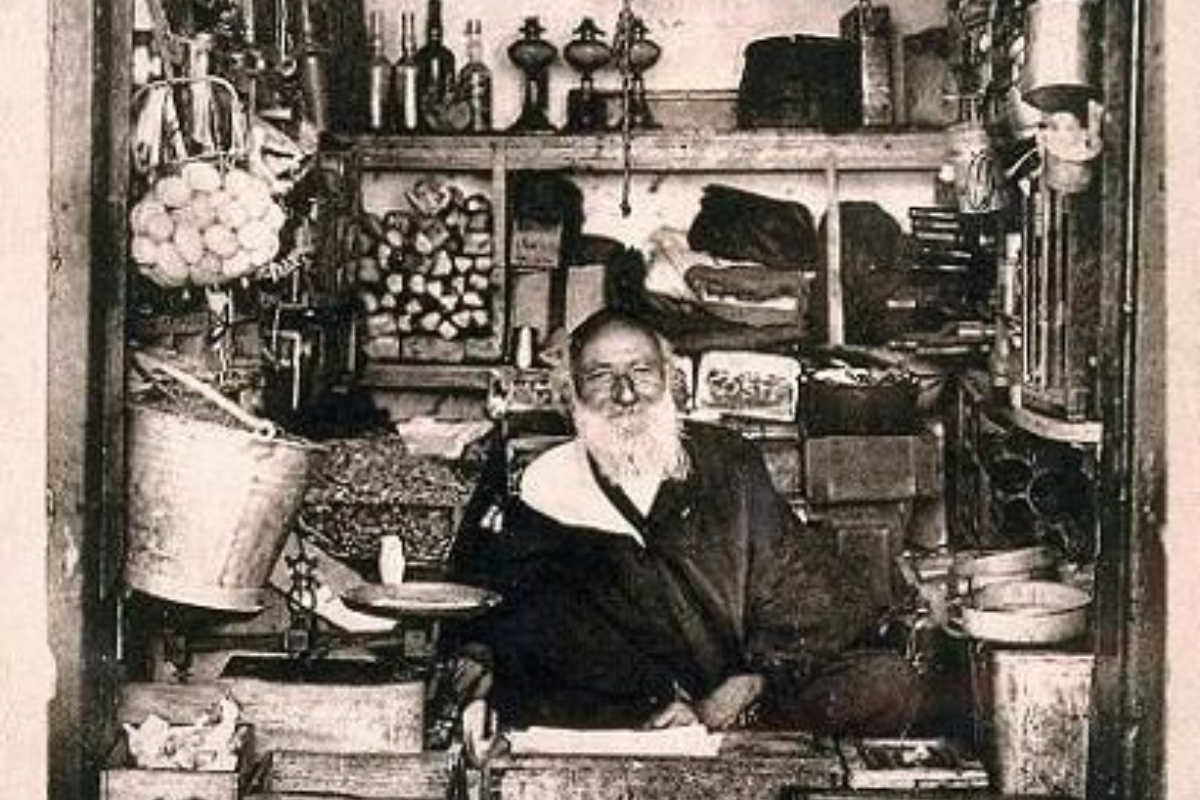
Casablanca remains home to Morocco’s largest remaining Jewish community. This vibrant city demonstrates that morocco jewish heritage is not only history — it is living culture.
The Beth-El Synagogue and the Museum of Moroccan Judaism are essential visits. They preserve and celebrate the ongoing Jewish presence in Morocco.
Furthermore, the Casablanca Photography Tour documents both historic and contemporary Jewish life. Active synagogues, kosher restaurants, and community centers provide modern photographic subjects.
The mellah of Casablanca developed during the 20th century. Its architecture blends Art Deco influences with traditional Moroccan design.
Moreover, Casablanca’s Jewish community maintains schools, cultural centers, and social organizations. Their continued presence demonstrates Morocco’s enduring commitment to religious diversity.
This living community adds extraordinary depth to any Jewish Heritage Tours Morocco itinerary. Meeting community members creates connections that no museum can replicate.
The 18 Day Portugal, Spain & Morocco Jewish Heritage Journey
For the most comprehensive experience, the 18 Day Portugal, Spain & Morocco itinerary traces the complete Sephardic Jewish journey.
This extraordinary tour follows the path of Jewish communities expelled from the Iberian Peninsula in 1492. Many found refuge and new homes in Morocco.
Furthermore, beginning in Portugal and Spain provides essential historical context. The grand synagogues of Lisbon and the Jewish quarters of Toledo and Córdoba set the stage.
Arriving in Morocco after this European journey creates a powerful emotional connection. You understand why so many Sephardic Jews chose Morocco as their new homeland.
Moreover, this 18 Day Portugal, Spain & Morocco experience is the ultimate Jewish Heritage Tours Morocco adventure. No other tour provides such comprehensive historical scope.
Custom Morocco Tours can extend or modify this itinerary according to your interests. Additional days in specific cities allow deeper exploration of sites that resonate most.
Morocco Photography Tours: Capturing Jewish Heritage Through the Lens
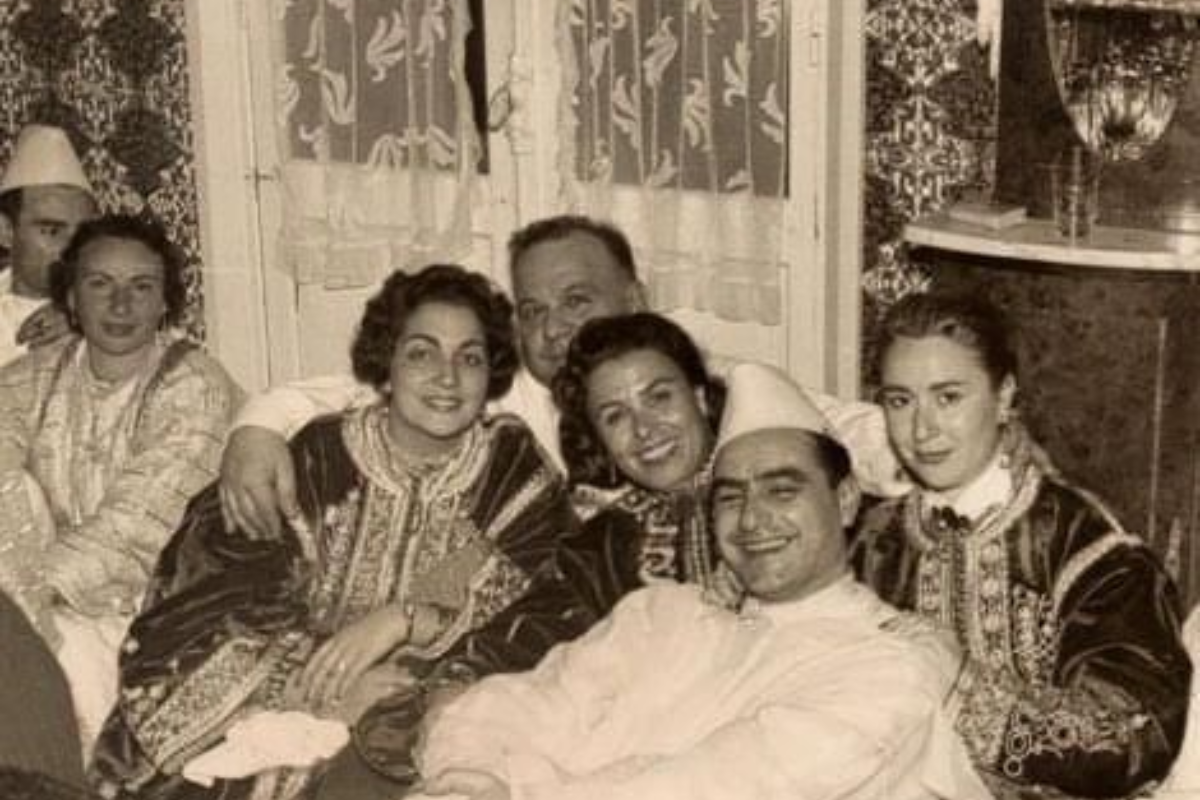
Morocco Photography Tours focused on Jewish heritage offer a unique way to document and preserve these remarkable cultural sites.
The visual richness of Morocco’s Jewish quarters, synagogues, and cemeteries provides extraordinary photographic opportunities. Light, texture, and symbolism combine in every frame.
Furthermore, Morocco Photo Tours led by experienced photographers help you capture the essence of these sacred spaces. Technical guidance ensures your images do justice to the subjects.
Photo Tours through the mellahs reveal hidden details invisible to casual visitors. Hebrew inscriptions, Star of David motifs, and unique architectural elements await the observant eye.
Moreover, the contrast between Jewish and Islamic architectural styles creates compelling visual narratives. Both traditions share elements while maintaining distinct identities.
Professional Morocco Photography Tours also document the preservation efforts underway at many sites. These images serve as important historical records.
Jewish-Moroccan Cuisine: A Delicious Heritage
Food plays a central role in morocco jewish heritage. Jewish-Moroccan cuisine represents a unique fusion that exists nowhere else in the world.
Dafina, the traditional Sabbath stew, slow-cooks overnight just like its Muslim counterpart, the tangia. The dishes share techniques but differ in ingredients and religious preparation.
Furthermore, Jewish-Moroccan pastries combine Sephardic traditions with local Moroccan flavors. Almond cookies, orange blossom sweets, and date-filled pastries reflect this delicious cultural blend.
Kosher variations of classic Moroccan dishes demonstrate creative adaptation. Tagines, couscous, and preserved lemon dishes appear in both Jewish and Muslim traditions with subtle differences.
Moreover, exploring this culinary heritage adds a delicious dimension to any Jewish Heritage Tours Morocco experience. Several restaurants in Casablanca and Marrakech still serve authentic Jewish-Moroccan cuisine.
Custom Morocco Tours can include cooking classes focused specifically on Jewish-Moroccan recipes. Learning these dishes connects you intimately with the culture.
Music and Artistic Traditions
Jewish-Moroccan music represents another vital thread in the morocco jewish heritage tapestry. The Andalusian musical tradition was preserved and developed by both Jewish and Muslim musicians.
Matrouz, a unique musical form combining Hebrew and Arabic lyrics, exists only in Morocco. This art form perfectly symbolizes the cultural fusion that defines Jewish-Moroccan identity.
Furthermore, Jewish musicians played essential roles in preserving classical Andalusian music. Their contributions ensured the survival of melodies that might otherwise have been lost.
The annual Essaouira Gnaoua and World Music Festival sometimes features Jewish-Moroccan musical traditions. These performances celebrate the shared artistic heritage of the country.
Moreover, Morocco Photography Tours often capture musical performances and festivals. The visual energy of these events creates spectacular photographic opportunities.
Best Time to Visit for Jewish Heritage Tours
Morocco jewish heritage sites can be visited throughout the year. However, certain seasons offer particular advantages.
Spring and autumn provide the most comfortable temperatures for walking through mellahs and cemeteries. The mild weather makes extended exploration pleasant.
Furthermore, visiting during Jewish holidays adds extraordinary meaning to the experience. Synagogues come alive with worship and celebration during these special times.
The annual Hiloula pilgrimages to the tombs of revered rabbis occur on specific dates. These events attract Jewish Moroccans from around the world.
Moreover, Morocco Photography Tours benefit most from spring and autumn light. The softer sun creates more dramatic shadows and warmer tones in architectural photography.
Preservation Efforts and the Future
The preservation of morocco jewish heritage sites has become a national priority. The Moroccan government actively supports restoration projects across the country.
King Mohammed VI has personally championed the restoration of synagogues and Jewish cemeteries. This royal commitment ensures the survival of these irreplaceable cultural treasures.
Furthermore, UNESCO and international organizations contribute to preservation efforts. The mellah of Fes and several synagogues have received significant restoration funding.
Local communities also play vital roles in preservation. Muslim neighbors often help maintain Jewish cemeteries and synagogues in areas where Jewish communities no longer reside.
Moreover, Morocco Photo Tours and Morocco Photography Tours serve an important documentary purpose. Professional images create visual records that support preservation advocacy.
Conclusion: Discover Morocco’s Incredible Jewish Heritage
The morocco jewish heritage represents one of the most remarkable and touching cultural stories in the world.
Over 2,000 years of history, art, music, cuisine, and coexistence await discovery. From ancient synagogues in Fes to living communities in Casablanca, this heritage lives and breathes.