English


Tangier, Morocco: Why the North’s Most Misunderstood City Deserves More Than a Half-Day Stop
Tangier has a reputation problem. That description was never fair, and today it is actively wrong. Tangier is one of the most layered, visually interesting, and culturally complex cities in North Africa, and travelers who treat it as a transit point are consistently the ones who leave wishing they had stayed longer.
If you are building a route through northern Morocco or arriving from Europe via ferry, Tangier is not just a starting point — it is a destination. The best way to organize your Tangier chapter is through Tours from Tangier, which connect the city’s own highlights with easy access to day trip destinations and onward itinerary options.
What Tangier actually is (and why it feels different from the rest of Morocco)
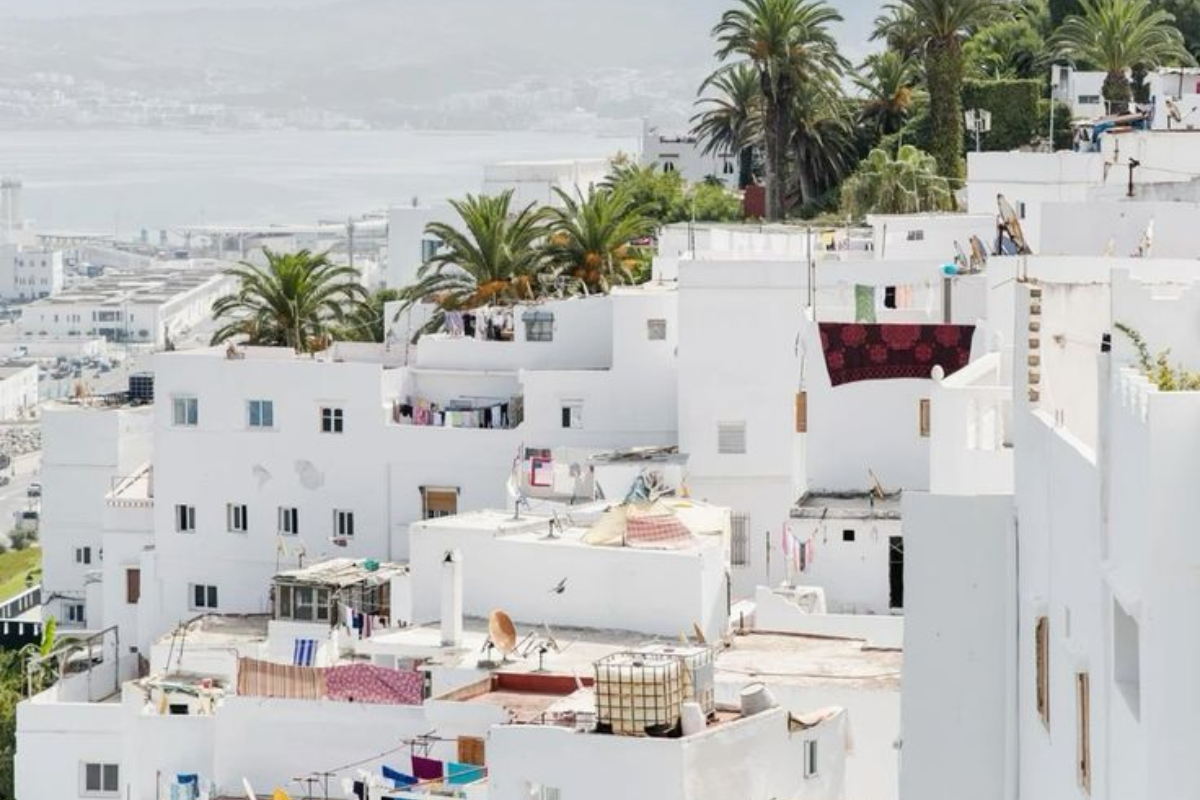
Tangier sits at the northwestern tip of Morocco, where the Atlantic meets the Mediterranean and Africa comes within fourteen kilometers of Europe. That geography has shaped everything: the architecture, the culture, the language mix, and the city’s historical role as a meeting point for diplomats, artists, traders, and travelers from multiple continents.
The result is a city that feels simultaneously Moroccan and international, traditional and forward-looking, historic and alive. Arabic, French, Spanish, and English can all appear in a single afternoon’s worth of conversations. European-influenced architecture sits alongside traditional Moroccan medina buildings. The café culture has a distinctly Tangier character: slower, more literary, and more self-aware than the tourist-facing café experience in Marrakech or Fes. This is a city that rewards travelers who pay attention, because almost everything here has more than one layer.
Tours From Tangier And /Or Chefchaoun:
2 Days Tour Jewel of the Rif: Chefchaouen Discovery
7 Days tours from Tangier Imperial Wonders: Exploring Morocco’s Royal Cities
8 Days Tour Start From Tangier Authentic Atlas: Mountains, Valleys, and Berber Culture
11 Days Tour From Tangier Exotic Escapes: Discover Morocco
Tours Of The Imperial Cities, Desert & Kasbahs in 13 Days
The medina and kasbah: navigating the old city without rushing
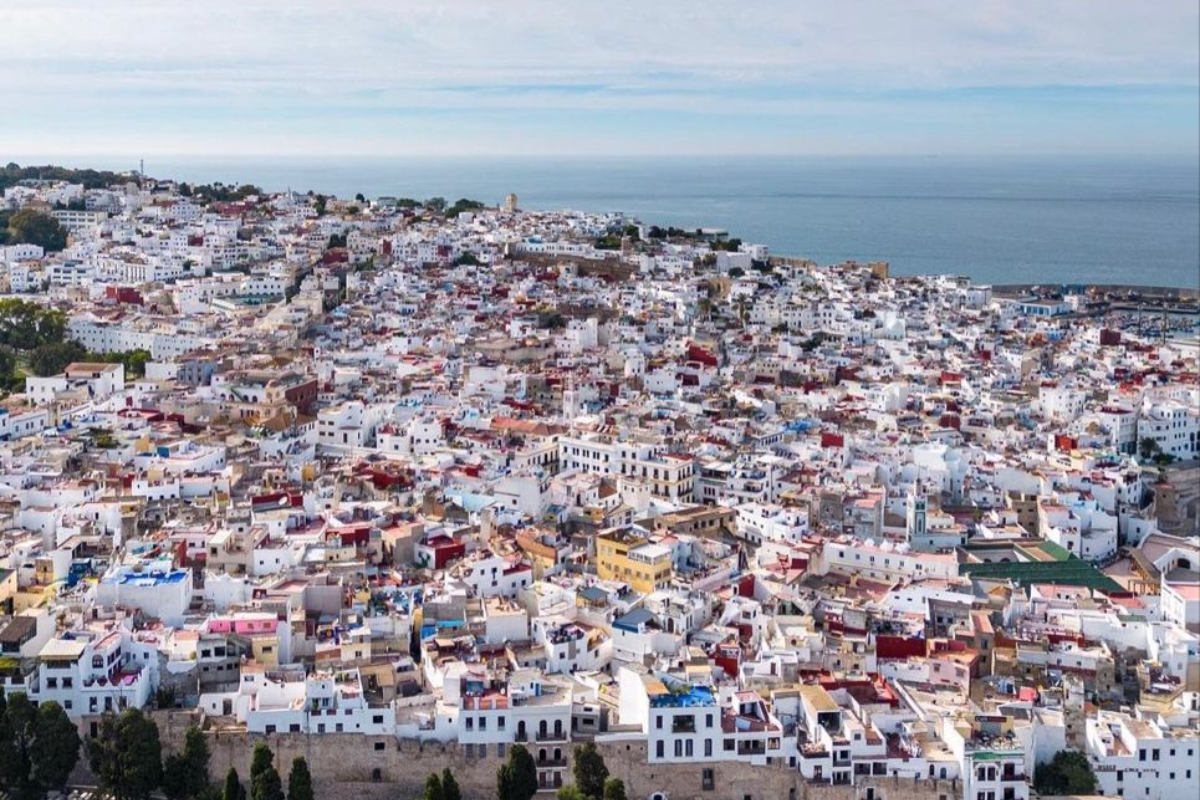
Tangier’s medina is smaller and more manageable than the labyrinthine old cities of Fes or Marrakech, which makes it an excellent medina experience for first-time Morocco visitors and a refreshing contrast for travelers who have already navigated more intense urban mazes. The lanes are narrow and atmospheric, the craft traditions are visible and genuine, and the kasbah area at the northern edge offers sweeping views over the Strait of Gibraltar that are among the best in the country.
The kasbah itself is a former fortress neighborhood that has evolved into a residential area with boutique stays, historic museums, and a atmosphere that feels calmer than the lower medina. Walking through it in the early morning or late afternoon, when the light comes across the water and the streets are quieter, is one of the most photogenic experiences in northern Morocco.
The American Legation Museum: the hidden cultural gem most travelers walk past
The American Legation Museum occupies the building that served as the first American diplomatic property outside the United States, dating back to Morocco’s recognition of American independence in 1776. The museum inside is genuinely well-curated: paintings, documents, maps, and historical artifacts that frame Tangier’s extraordinary international history in a way that feels relevant rather than dusty.
It is the kind of stop that changes how you see the rest of the city, because it gives you context for Tangier’s layered identity that you cannot get from simply walking the streets. Including this as part of a structured city exploration through Tours from Tangier ensures that the visit is connected to a broader narrative rather than experienced in isolation.
Café culture and the Tangier literary legacy
Tangier’s café culture is one of its most distinctive qualities, and it is best understood in historical context. In the 1940s, 1950s, and 1960s, the city attracted a remarkable concentration of American and European writers, artists, and intellectuals who were drawn by the city’s relative freedom, its international character, and its proximity to European cultural circles. Paul Bowles, William Burroughs, Truman Capote, Tennessee Williams, and others spent significant time here, and the city’s cafés were their informal offices and meeting rooms.
The cafés that survive from that era have become cultural landmarks in their own right. Sitting in one with a glass of mint tea, watching the medina’s foot traffic, is a different experience from the tourist-facing café terraces in other Moroccan cities. Even if you have no interest in literary history, the atmosphere is genuinely pleasant and worth an hour of your afternoon.
The Corniche and the Atlantic waterfront
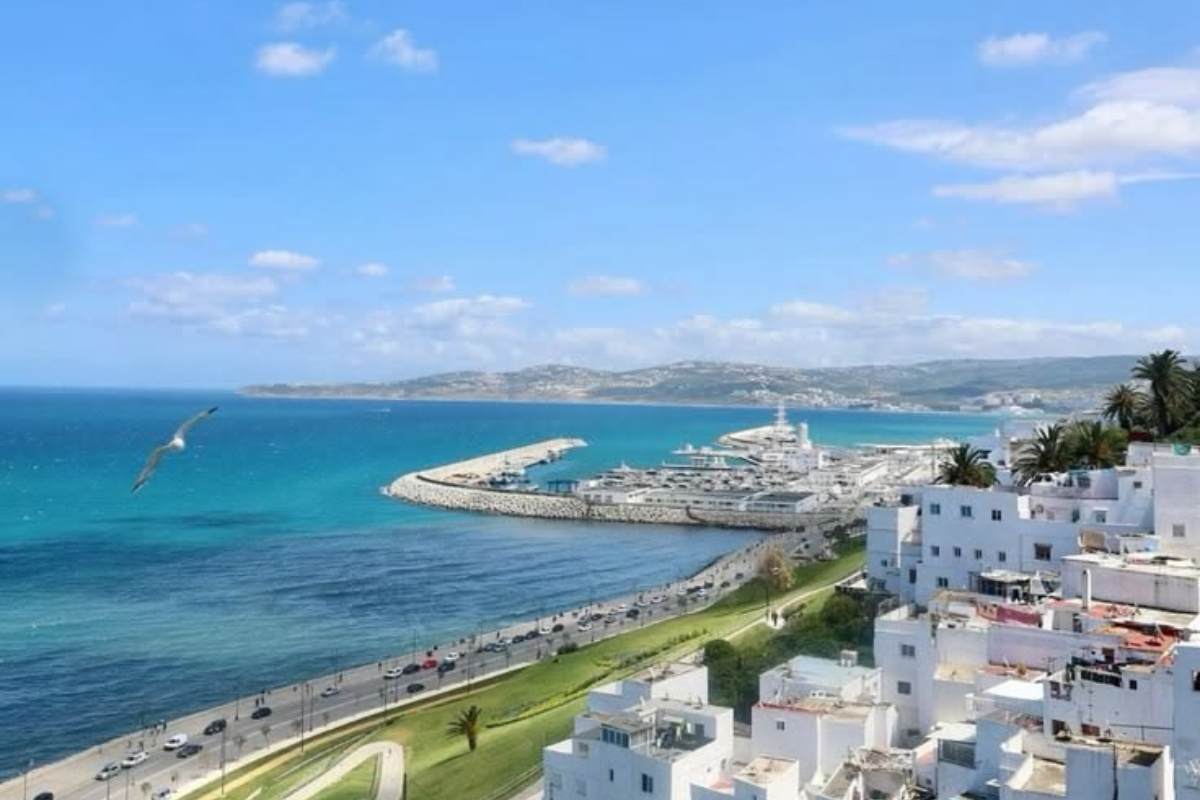
Tangier’s coastal character is one of its strongest assets, and the waterfront areas give the city a breezy, open quality that is largely absent from Morocco’s interior cities. The Corniche stretches along the bay and connects the city center with beach areas, restaurants, and the kind of public promenade culture that develops in port cities over centuries. Walking this stretch in the early evening, when locals gather and the light drops toward the west, gives you a version of Tangier that feels very different from the medina and equally worth your time.
The beach itself, while not Morocco’s most dramatic, is a genuine urban beach with enough space to spread out, a reliable Atlantic breeze, and views of the Spanish coast that make you feel the geographical significance of where you are standing. For Morocco Day Trips options that extend the coastal experience, the area around Cape Spartel (where the Atlantic and Mediterranean officially meet) is one of the most striking natural viewpoints in northern Morocco and is easily included in a half-day excursion.
Cape Spartel and Hercules Cave: the best day trip from Tangier
If you only have time for one excursion from the city, Cape Spartel is the clearest choice. It is close (about 15 kilometers from the city center), visually dramatic (the lighthouse sits above a rocky point where two seas technically converge), and historically interesting in a way that rewards a brief guided stop. The nearby Hercules Cave adds a mythological layer that many travelers find unexpectedly compelling, especially when the cave entrance (shaped roughly like the African continent when viewed from inside) is described properly.
These stops work best when they are part of a structured half-day rather than a rushed taxi ride and back.
Chefchaouen as a day trip or overnight from Tangier
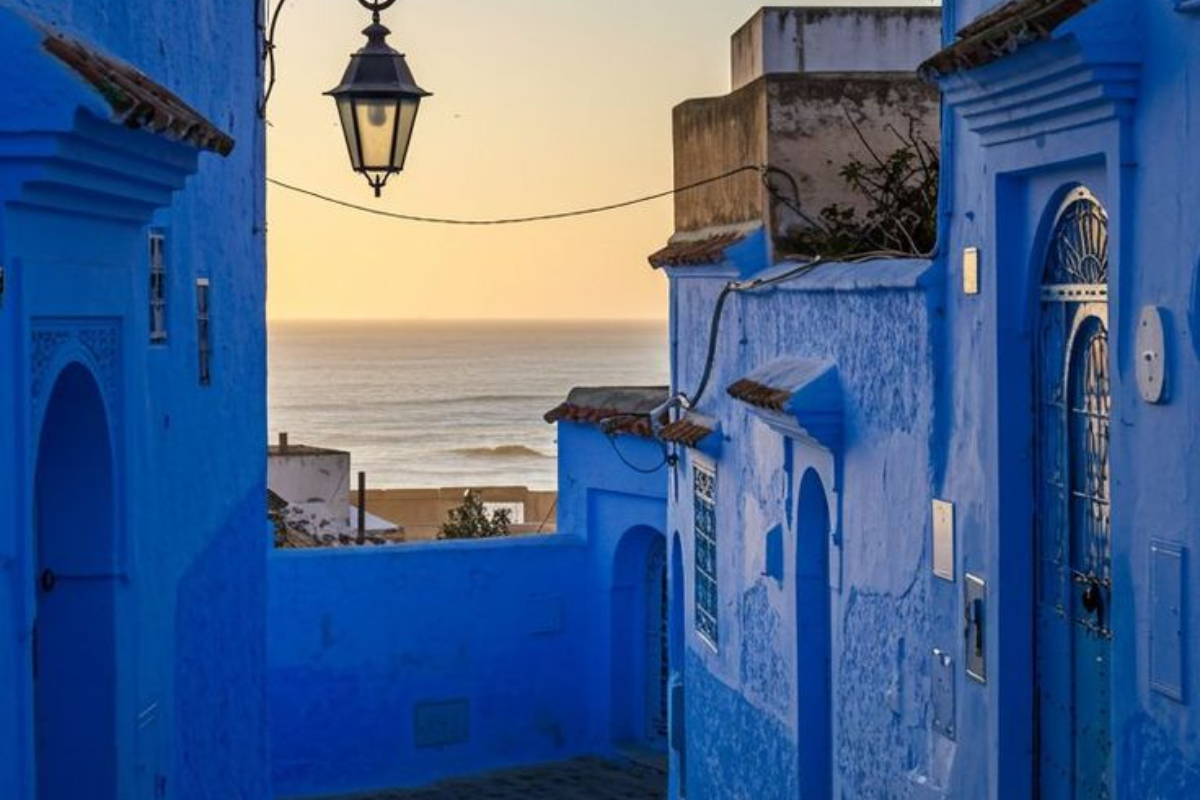
Many travelers use Tangier as a base for reaching Chefchaouen, the famous blue mountain town about two and a half hours to the southeast. As a day trip, Chefchaouen is possible but compressed: you get a few hours in the blue medina before needing to return. As an overnight extension, it is a much richer experience because the town empties out in the evening and reveals a calmer, more atmospheric version of itself that the midday crowds obscure.
If your itinerary flows southward from Tangier toward Fes and eventually Marrakech, stopping in Chefchaouen on the way makes geographic and pacing sense.
How Tangier fits into a north-to-south Morocco itinerary
Tangier’s strongest role in a Morocco itinerary is often as an opening chapter: a coastal, cosmopolitan, historically complex city that prepares you for the medina culture and landscape variety of the interior without overwhelming you with it on day one. Starting in Tangier and moving gradually south through Chefchaouen, Fes, the desert, and Marrakech creates one of the most satisfying Morocco routes available, because the landscapes and atmospheres change dramatically at each stage and the narrative feels coherent rather than random.
This is why Tours from Fez and Tours from Marrakech are natural follow-on chapters after a Tangier opening. The combination of Tangier’s coastal and international character with Fes’s medina depth and Marrakech’s intensity creates a Morocco experience that covers genuine variety without feeling disjointed. Adding a desert segment through Sahara desert trekking between Fes and Marrakech turns the route into something genuinely comprehensive.
Practical tips for visiting Tangier well
Tangier is generally more relaxed for tourists than Marrakech or Fes in terms of persistent sales pressure, but street-level offers of hashish and unsolicited guide services are still common. A calm, confident “no thank you” and steady walking pace handles most of these interactions without drama.
The city’s transport links are good: high-speed train connections to Casablanca and Rabat run from the main Tangier Ville station, making it easy to connect Tangier into a broader rail-based Morocco route. Ferry connections to Spain (primarily Tarifa and Algeciras) are regular and make Tangier the natural Morocco entry point for travelers coming overland from Europe.
Weather in Tangier is coastal and can be breezy and cooler than travelers expect, especially in shoulder seasons. The Atlantic influence keeps temperatures more moderate than in interior Morocco, which is genuinely pleasant in summer but means you might want a light jacket for evenings in spring and autumn.
Why Tangier works for every type of traveler
Culture-focused travelers find the American Legation, the literary café history, and the kasbah museum genuinely engaging. History-focused travelers appreciate the Roman period connections, the international zone legacy, and the multi-layered colonial and post-colonial architecture. Photography-focused travelers find the light, the waterfront views, and the medina textures consistently rewarding. And travelers who simply want a comfortable, interesting city with good food and a strong café culture find exactly that in Tangier’s modern neighborhoods and waterfront areas.
If you are building a Morocco Vacation Guide style itinerary from scratch, Tangier is worth including not as a concession to geography but as a genuinely valuable chapter in its own right. Pair it with a structured plan through Tours from Tangier, connect onward to Tours from Fez or Tours from Casablanca depending on your route direction, and let the city show you what it actually has to offer when you give it more than a transit-day glance.
Conclusion: Tangier rewards the travelers who stay
The cities that reward patience are usually the ones worth visiting, and Tangier is one of those cities. Its beauty is not immediately obvious the way a photogenic medina or a dramatic landscape is obvious. It reveals itself through conversations in cafés, through the view from the kasbah at dusk, through the feeling of standing at Cape Spartel and understanding where you are geographically, and through the slow realization that this city has been at the center of enormous historical forces for a very long time.
Start your Tangier planning at Morocco Tours Services, build your city chapter through Tours from Tangier, and give the north the time it deserves. You will leave with a very different impression of Morocco than the one most travelers carry home, and that difference is usually what makes a trip worth remembering.