English


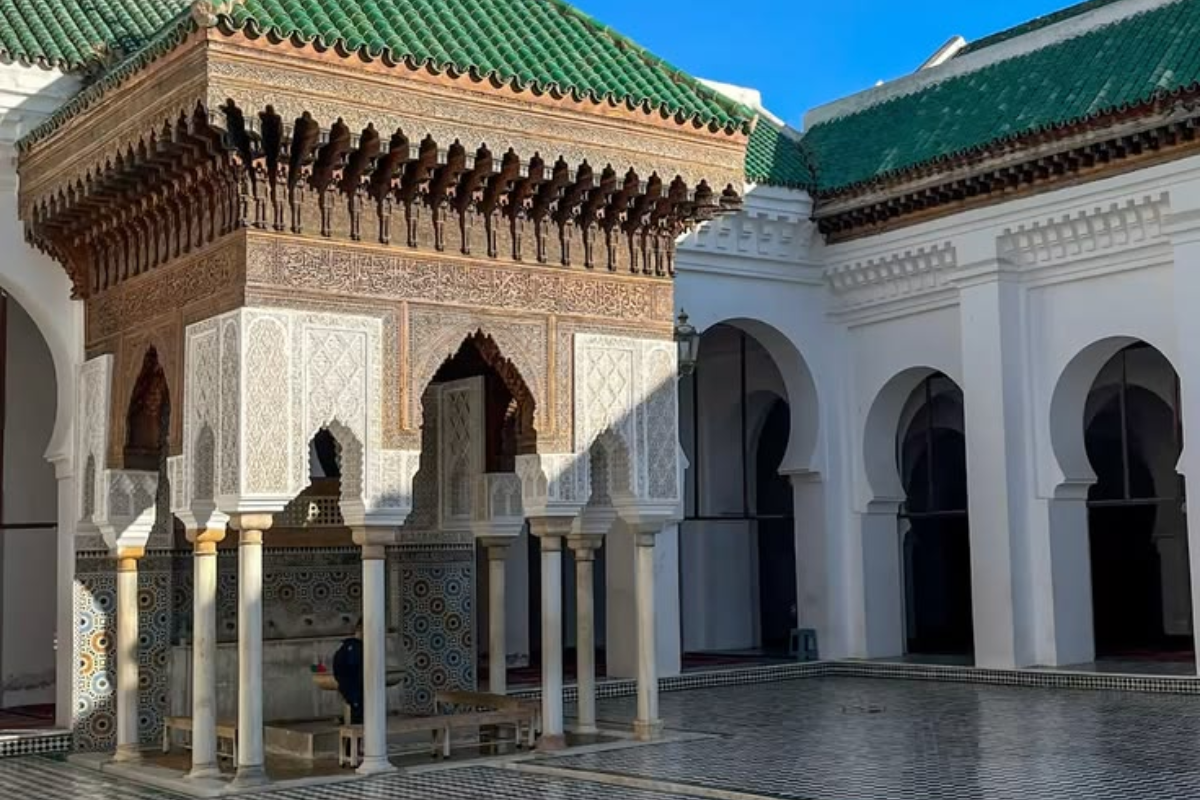
Planning a Morocco trip in 2026? This complete Morocco travel guide covers everything you need to know before you travel to Morocco, from choosing the right destinations and planning your Morocco itinerary to understanding transportation, accommodation, food, culture, desert tours, travel costs, and practical travel tips.
Morocco is one of the most diverse destinations in North Africa. From the colorful medinas of Marrakech and Fes to the blue streets of Chefchaouen, the Atlantic coastline of Essaouira, the dramatic High Atlas Mountains, and the golden dunes of the Sahara Desert, Morocco travel offers an impressive combination of culture, history, adventure, nature, food, and local traditions.
If you are visiting Morocco for the first time, planning your journey can initially feel complicated. The country is larger and geographically more diverse than many travelers expect. Therefore, the best Morocco itinerary depends on several factors, including how many days you have, where you arrive, where you leave, the season, your budget, and whether you are more interested in cities, mountains, beaches, food, culture, or the Sahara.
This Morocco travel guide 2026 is designed to help you plan your journey from beginning to end. You will discover the best places to visit in Morocco, the best time to visit Morocco, recommended itineraries for different trip lengths, transportation options, Moroccan food, cultural etiquette, accommodation, desert experiences, packing advice, money and internet tips, safety information, and answers to common questions from first-time visitors.
Whether you are planning a family Morocco vacation, a romantic getaway, an adventurous Sahara journey, a cultural exploration of the imperial cities, or a personalized private tour, Morocco provides many different ways to experience the country. In addition, travelers who prefer local assistance can work with Morocco Tours Services for private tours, tailor-made itineraries, day trips, city tours, excursions, desert experiences, and multi-day journeys from destinations such as Marrakech and Fes.
Why Travel to Morocco in 2026?
One of the biggest attractions of Morocco tourism is the country’s extraordinary variety. In fact, you can experience completely different landscapes and cultures within a single trip. For example, you could start your morning inside an ancient medina, cross a mountain pass during the afternoon, and eventually reach a desert landscape surrounded by golden dunes.
Furthermore, Morocco is particularly appealing to travelers interested in history and culture. Its ancient medinas, traditional souks, riads, kasbahs, artisan workshops, historic monuments, local markets, and traditional neighborhoods provide countless opportunities to discover Moroccan heritage while also experiencing everyday life.
For adventure travelers, there are equally many possibilities. You can go hiking in the Atlas Mountains, ride camels in the Sahara, explore desert landscapes by 4×4, spend a night in a desert camp, surf along the Atlantic coast, take a road trip, or explore traditional villages. At the same time, food lovers can discover tagine, couscous, pastilla, harira, msemen, Moroccan salads, seafood, fresh bread, and traditional mint tea.
Perhaps most importantly, a Morocco vacation can combine several of these experiences in one journey. A traveler might explore Marrakech, cross the High Atlas Mountains, visit Ait Ben Haddou, continue through Ouarzazate and the Dades Valley, spend a night near Merzouga, and then continue toward Fes.
However, Morocco tourism is not limited to the Sahara. Marrakech, Fes, Chefchaouen, Casablanca, Rabat, Essaouira, Ouarzazate, Ait Ben Haddou, Merzouga, Zagora, M’Hamid, and the Atlas Mountains all provide different experiences.
Therefore, one of the most important parts of planning your trip is choosing destinations that match your interests and available time.
Morocco at a Glance
Before you travel to Morocco, it is useful to understand the country geographically and culturally. Morocco is located in North Africa and has an unusually diverse landscape that includes Mediterranean and Atlantic coastlines, mountain ranges, fertile valleys, semi-arid areas, and desert regions.
The capital city is Rabat, while Casablanca is the country’s largest city and an important economic center. Arabic and Amazigh are the official languages, while French is widely used in business, tourism, administration, and everyday communication. English is also increasingly common in major tourist destinations.
The official currency is the Moroccan dirham, usually abbreviated as MAD. However, the amount of cash you need can depend on your destination and travel style. Cards are commonly accepted in many hotels, restaurants, and larger businesses, while cash remains useful in traditional markets, small shops, taxis, rural areas, and smaller establishments.
Morocco also has several different climate zones. Consequently, the weather can vary considerably between the Atlantic coast, inland cities, mountain regions, and desert areas.
Popular destinations include Marrakech, Fes, Casablanca, Rabat, Chefchaouen, Essaouira, Agadir, Ouarzazate, Merzouga, Zagora, M’Hamid, and the Atlas Mountains. Major cities are connected by trains and buses, while many mountain, valley, and desert destinations require road transportation.
The Best Time to Visit Morocco in 2026
Choosing the best time to visit Morocco depends largely on what you want to see and do. There is no single month that is ideal for every traveler because Morocco has several climate zones.
Generally, spring and autumn can be comfortable periods for combining cities, mountains, and desert destinations. Meanwhile, summer can become extremely hot in inland areas and the Sahara, while winter can bring cold temperatures in the mountains and desert at night.
Therefore, when planning your Morocco itinerary, consider both the season and the specific regions you intend to visit.
Morocco in Spring
Spring is often a comfortable season for Morocco travel. Temperatures in many destinations can be suitable for sightseeing and outdoor activities, making this period attractive for travelers who want to combine cities, mountains, and desert landscapes.
For example, you can combine Marrakech, Fes, Chefchaouen, Essaouira, the Atlas Mountains, Ait Ben Haddou, Ouarzazate, and Merzouga during a longer journey.
Moreover, spring can be a practical period for longer desert routes because travelers can enjoy the landscapes without experiencing the strongest summer heat.
If you want to combine cultural sightseeing with a Morocco desert tour, spring can therefore be a useful period to consider.
Morocco in Summer
Summer can be extremely hot in inland Morocco, especially in cities such as Marrakech and Fes and in desert regions around Merzouga and Zagora.
As a result, outdoor sightseeing during the hottest part of the day can become uncomfortable. Nevertheless, summer does not mean that you have to avoid Morocco entirely.
Coastal destinations such as Essaouira and parts of the Atlantic coast can offer a different atmosphere. Therefore, if you travel during summer, plan outdoor activities for the morning or late afternoon whenever possible.
Additionally, stay hydrated, use sun protection, and follow local guidance during desert excursions.
Morocco in Autumn
Autumn is another popular period for a Morocco trip. As temperatures become more comfortable, travelers can explore historic cities, mountain landscapes, valleys, kasbahs, and desert regions.
For example, a route such as:
Marrakech → High Atlas Mountains → Ait Ben Haddou → Ouarzazate → Dades Valley → Merzouga
allows travelers to experience several different landscapes in one journey.
Furthermore, autumn can be a good option for travelers who want to combine sightseeing with longer road trips.
Morocco in Winter
Winter provides a completely different side of Morocco. Coastal destinations can remain relatively mild, while mountain regions can become cold and may receive snow.
Interestingly, the Sahara can also become surprisingly cold after sunset. Therefore, travelers planning an overnight desert camp should pack warm layers even when daytime temperatures feel pleasant.
Nevertheless, winter can be enjoyable for city sightseeing because daytime conditions in many urban destinations can be comfortable.
How Many Days Do You Need for a Morocco Trip?
The ideal length of a Morocco trip depends on how much of the country you want to explore.
A short visit can work well if you concentrate on one city or region. On the other hand, a longer journey allows you to combine imperial cities, mountains, the Sahara, and the Atlantic coast.
However, trying to visit too many destinations in only a few days can turn your vacation into a transportation schedule. Therefore, it is generally better to choose destinations that make geographical sense and allow enough time to enjoy each location.
3 Days in Morocco
With only three days, focusing on one destination is usually more practical than attempting to cross the country.
Marrakech is one possible choice because its medina, souks, palaces, gardens, restaurants, riads, and cultural attractions can keep visitors busy for several days.
You can explore Jemaa el-Fnaa, Bahia Palace, Koutoubia Mosque, the Marrakech souks, Majorelle Garden, Saadian Tombs, and traditional riads.
If your priority is the Sahara, however, remember that traveling to Merzouga requires significant road time. Consequently, a three-day Sahara itinerary should be planned carefully.
5 Days in Morocco
Five days provides more flexibility. For example, you could spend two days in Marrakech before traveling through the Atlas Mountains toward Ait Ben Haddou and Ouarzazate.
Alternatively, you could focus on northern Morocco and combine Fes with Chefchaouen and nearby destinations.
Ultimately, the most suitable route depends on your arrival airport, departure city, and the experiences you want from your Morocco vacation.
7-Day Morocco Itinerary
A week allows you to experience several different sides of the country. A desert-focused route could begin in Marrakech and continue through the High Atlas Mountains, Ait Ben Haddou, Ouarzazate, Dades Valley, and Merzouga before continuing toward Fes.
For example:
Day 1: Marrakech
Day 2: Marrakech
Day 3: Marrakech → High Atlas Mountains → Ait Ben Haddou → Ouarzazate
Day 4: Ouarzazate → Dades Valley → Merzouga
Day 5: Merzouga and Sahara Desert
Day 6: Merzouga → Middle Atlas → Fes
Day 7: Fes
This route combines historic cities, mountain scenery, valleys, kasbahs, and the Sahara in one journey.
10-Day Morocco Itinerary
With ten days, you can slow down and include additional destinations.
A possible route could include Marrakech, Ait Ben Haddou, Ouarzazate, Dades Valley, Merzouga, Fes, and Chefchaouen.
For example:
Days 1–2: Marrakech
Day 3: Atlas Mountains and Ait Ben Haddou
Day 4: Ouarzazate and Dades Valley
Day 5: Merzouga
Day 6: Sahara Desert
Day 7: Travel toward Fes
Day 8: Fes
Day 9: Chefchaouen
Day 10: Continue toward your departure city
However, your final route should depend on where you arrive and where your flight departs.
Best Places to Visit in Morocco
Choosing the best places to visit in Morocco is one of the most important decisions when creating your Morocco itinerary.
Fortunately, Morocco offers destinations with completely different atmospheres. Therefore, you can build your journey around history, food, architecture, mountains, beaches, deserts, or a combination of several interests.
Marrakech
Marrakech is one of Morocco’s most famous destinations and a major starting point for southern Morocco.
The city combines a historic medina, traditional souks, palaces, gardens, restaurants, riads, and lively public spaces.
Jemaa el-Fnaa is one of Marrakech’s most recognizable landmarks. During the day, travelers can explore the surrounding streets and souks, while the atmosphere changes considerably in the evening.
Popular attractions include Jemaa el-Fnaa, Marrakech Medina, Bahia Palace, Koutoubia Mosque, Majorelle Garden, Saadian Tombs, El Badi Palace, and traditional Moroccan riads.
Furthermore, Marrakech is a major departure point for tours from Marrakech. Travelers can organize excursions to the Atlas Mountains, Ait Ben Haddou, Ouarzazate, Zagora, Merzouga, Essaouira, and other destinations.
For travelers who want private transportation and a flexible schedule, private Morocco tours from Marrakech can combine transportation, sightseeing, accommodation, and desert experiences into one itinerary.

tours from Marrakech:
2 Days In Desert M’hamid El Ghizlaine
3 Days Tour From Marrakech To Erge Chegaga
3 Days Tour From Marrakech To Fez
4 Days Trip From Marrakech To Desert Erg Chebbi
5 Days Marrakech entertiement & Sahara Tour
8 Days from Marrakech To Marrakech
13 Days From Marrakesh fairytale The trek to the desert and its history
Fes
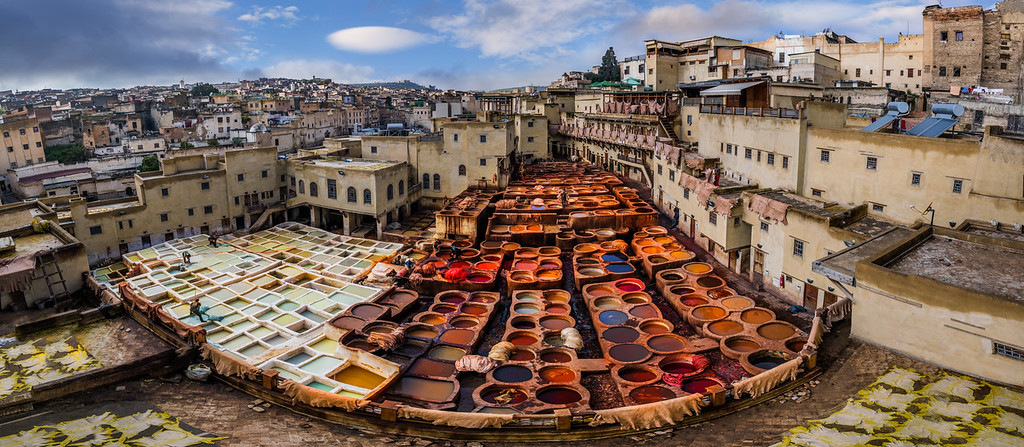
Fes is one of Morocco’s most historically significant cities. Its old medina, Fes el-Bali, contains narrow streets, traditional shops, artisan workshops, historic buildings, and cultural landmarks.
Popular attractions include Fes el-Bali, Bab Bou Jeloud, Bou Inania Madrasa, Al Quaraouiyine, Chouara Tannery, Nejjarine Museum, and the traditional souks.
In addition, Fes is an important starting point for Sahara journeys. Tours from Fes can take travelers through the Middle Atlas Mountains, cedar forests, Midelt, Ziz Valley, Merzouga, and Erg Chebbi.
A Fes to Merzouga desert tour can therefore combine the historic atmosphere of Fes with a Sahara adventure.
Tours from fes:
2 Days Tour From Fez To Merzouga & The Sahara Desert
3 Days Tour From Fes To Marrakech Through Desert Merzouga
4 Days Tour From Fes To Marrakech Via Erg Chebbi
6 Days Tour From Fez To Marrakech Sightseeing
5 Days Tour From Fez To Marrakech Through Desert Tour
7 Days From Fes Desert Tour To Marrakech Via Merzouga Desert
Chefchaouen
Chefchaouen is famous for its blue-painted streets and mountain setting.
Located in the Rif Mountains, the city has a completely different atmosphere from Marrakech and Fes. Visitors can explore the blue medina, photograph traditional doors, visit small shops, enjoy Moroccan cuisine, and walk to viewpoints overlooking the surrounding mountains.
Moreover, for photographers and travelers interested in architecture and local culture, Chefchaouen offers a slower-paced experience.
Casablanca
Casablanca is Morocco’s largest city and an important economic center.
The Hassan II Mosque, located beside the Atlantic Ocean, is the city’s most famous attraction.
Other places to explore include the Casablanca Corniche, Habous Quarter, Mohammed V Square, Art Deco architecture, Central Market, and historic neighborhoods.
Casablanca can also work well as an arrival or departure point for a larger Morocco itinerary.
Rabat
Rabat is Morocco’s capital and combines modern urban districts with historic attractions.
Important sites include the Kasbah of the Udayas, Hassan Tower, Mohammed V Mausoleum, Chellah, and Rabat Medina.
Therefore, Rabat can be a useful addition to a northern Morocco itinerary, particularly for travelers interested in history, architecture, and traditional urban environments.
Essaouira
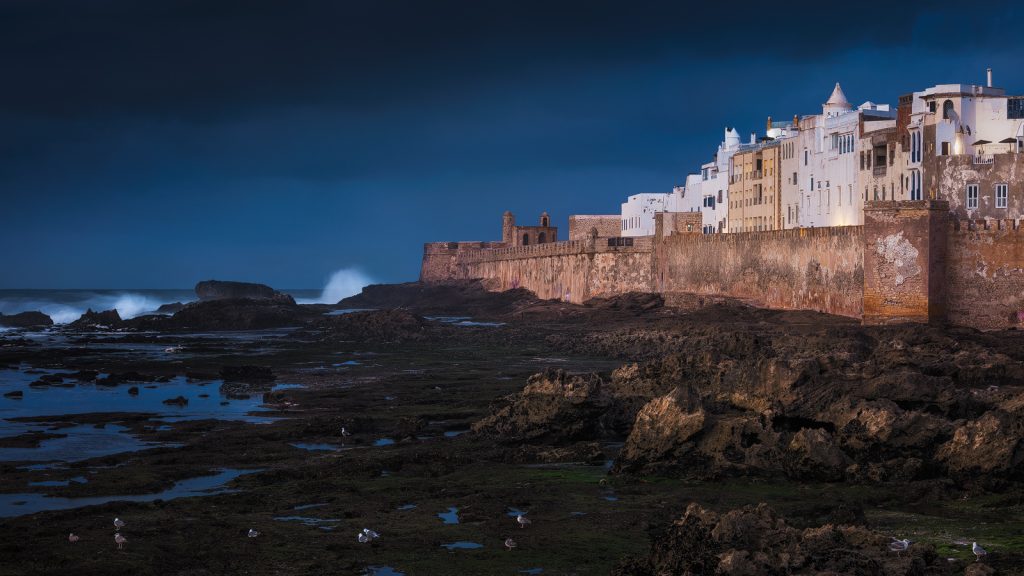
Essaouira is an Atlantic coastal city known for its historic medina, fishing port, beaches, ramparts, and relaxed atmosphere.
Travelers can explore the medina, visit the harbor, try fresh seafood, walk along the coast, and enjoy the Atlantic breeze.
The city is also associated with surfing and wind sports. Consequently, travelers looking for things to do in Morocco beyond major inland cities can find a combination of culture, coastline, food, and outdoor activities here.
Ouarzazate and Ait Ben Haddou
Ouarzazate is an important gateway to southern Morocco and desert regions.
The surrounding area is known for historic kasbahs, valleys, mountain landscapes, traditional villages, and film studios.
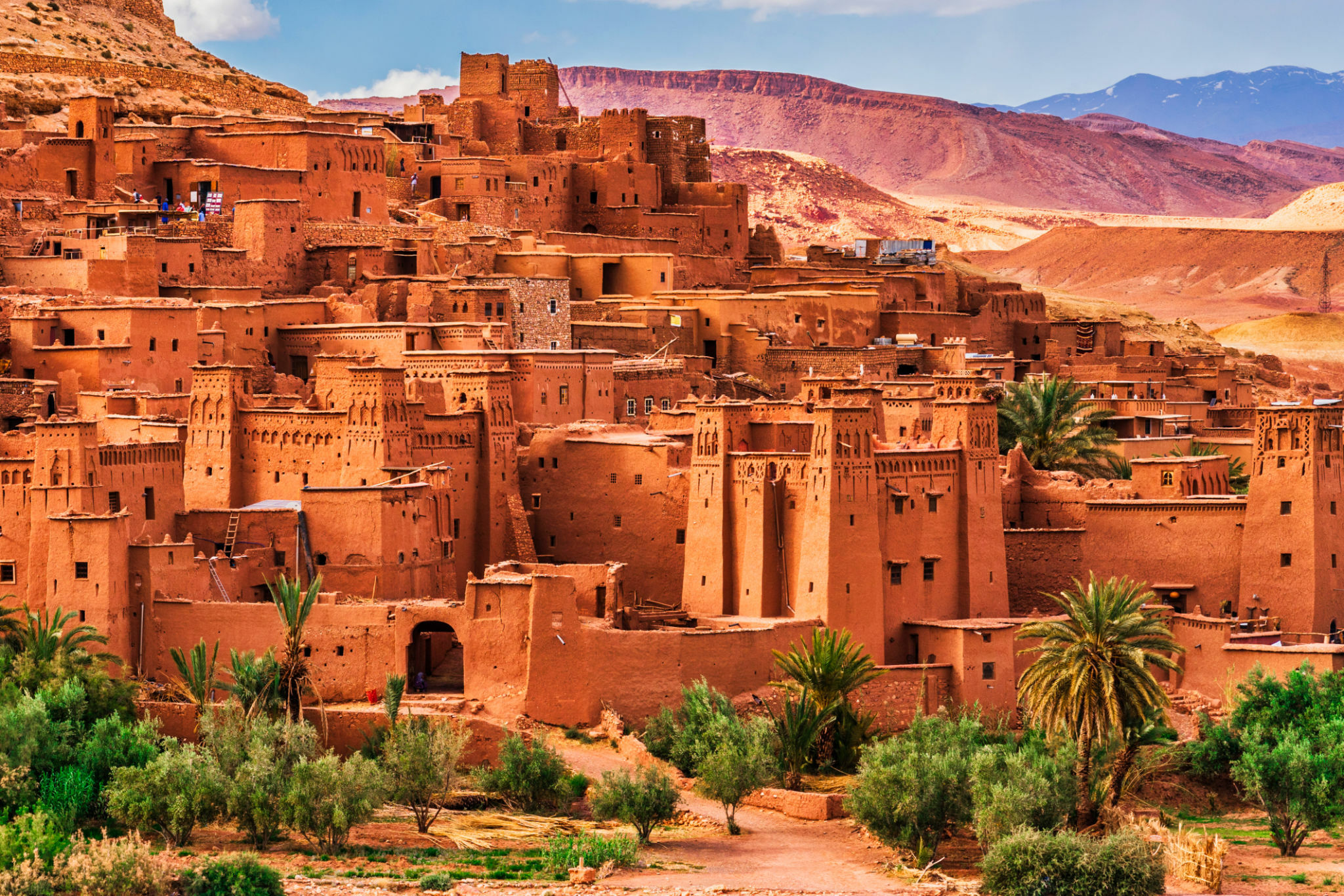
Ait Ben Haddou is one of the most famous attractions in the region. This historic fortified settlement uses traditional earthen architecture and sits along an old route through southern Morocco.
As a result, many travelers heading from Marrakech toward the Sahara pass through this area.
Merzouga and the Sahara Desert
Merzouga is one of the most famous destinations for experiencing the Sahara in Morocco.
Located near the Erg Chebbi dunes, the region offers camel trekking, desert camping, 4×4 excursions, sunset experiences, sunrise walks, stargazing, and sandboarding.
A Sahara experience can include camel trekking, a desert sunset, an overnight camp, traditional Moroccan dinner, Amazigh music, stargazing, sandboarding, and sunrise over the dunes.
The landscape also changes throughout the day. At sunrise, the dunes can appear soft and golden, while sunset creates long shadows and constantly changing colors across the sand.
Furthermore, spending a night in a desert camp allows travelers to experience the Sahara after sunset, when the landscape becomes quieter and the night sky becomes one of the main attractions.
Zagora and M’Hamid
Merzouga is not the only destination for desert experiences.
Zagora and M’Hamid are also important southern destinations. The Draa Valley around Zagora is known for palm groves, kasbahs, villages, and desert scenery.
Meanwhile, M’Hamid El Ghizlaine provides access to more remote southern desert areas.
Therefore, travelers with limited time can consider a Zagora desert tour or M’Hamid desert tour for a different type of Sahara experience.
Things to Do in Morocco
There are countless things to do in Morocco, which is why choosing activities based on your interests is important.
You can explore traditional medinas, visit historic palaces and kasbahs, taste Moroccan cuisine, walk through local souks, cross the Atlas Mountains, discover Ait Ben Haddou, spend a night in the Sahara, visit the Atlantic coast, and experience Moroccan tea and hospitality.
In addition, each region offers something different. Marrakech is ideal for cultural attractions and souks, Fes offers historic architecture and traditional crafts, Essaouira provides coastal experiences, the Atlas Mountains offer outdoor adventures, and Merzouga provides access to Sahara activities.
For a more varied Morocco vacation, you can combine several of these experiences rather than focusing on only one type of activity.
Morocco Desert Tours: Routes You Should Know
A desert journey can become one of the highlights of a Morocco vacation. However, there is no single standard desert route because tours can start and finish in different cities.
Therefore, your choice should depend on the number of days available, your arrival and departure cities, and whether you want to spend more time in the desert or explore the landscapes along the way.
Marrakech to Merzouga Desert Tour
A Marrakech to Merzouga desert tour usually crosses the High Atlas Mountains before continuing through southern Morocco.
Depending on the itinerary, the route can include the Tizi n’Tichka Pass, Ait Ben Haddou, Ouarzazate, Dades Valley, Todra Gorge, Erfoud, Merzouga, and Erg Chebbi.
A longer itinerary allows you to enjoy the journey rather than treating Merzouga simply as a destination at the end of a long drive.
Marrakech to Fes Through the Sahara
A Marrakech to Fes desert tour is useful for travelers who want to experience the Sahara while traveling between two of Morocco’s most important cities.
A typical route can follow:
Marrakech → High Atlas Mountains → Ait Ben Haddou → Ouarzazate → Dades Valley → Merzouga → Middle Atlas → Fes
This route combines city sightseeing, mountain landscapes, kasbahs, valleys, desert dunes, and the cultural heritage of Fes.
Fes to Merzouga Desert Tour
A Fes to Merzouga desert tour offers a different perspective on Morocco.
The journey can pass through Ifrane, Azrou, the Middle Atlas Mountains, cedar forests, Midelt, Errachidia, the Ziz Valley, Erfoud, and Merzouga.
The route combines mountain scenery with increasingly arid landscapes before reaching the Sahara.
Fes to Marrakech Through the Desert
A multi-day Fes to Marrakech desert tour can connect northern Morocco with the Sahara and southern Morocco.
Possible stops include Ifrane, Azrou, the Middle Atlas, Midelt, Merzouga, Erg Chebbi, Ziz Valley, Dades Valley, Todra Gorge, Ouarzazate, Ait Ben Haddou, the High Atlas Mountains, and Marrakech.
Depending on the duration, travelers can spend one or more nights in the Sahara.
Erg Chebbi or Erg Chegaga?
Travelers planning Morocco travel often encounter two important desert regions: Erg Chebbi and Erg Chegaga.
Erg Chebbi is located near Merzouga and is one of Morocco’s most accessible and recognizable dune areas. Consequently, it fits naturally into several routes connecting Fes, Marrakech, and the Sahara.
Erg Chegaga is farther south and provides access to a more remote desert environment. Travelers interested in southern Morocco and M’Hamid may consider an Erg Chegaga experience.
Ultimately, the appropriate choice depends on your route, available time, and preferred style of desert adventure.
Private Morocco Tours or Independent Travel?
Independent travel gives you considerable flexibility and can work well if you enjoy planning your own accommodation, transportation, and activities.
However, a private Morocco tour can simplify a multi-destination journey, particularly when visiting areas where train services are limited.
This can be especially useful for routes through the Atlas Mountains, Ait Ben Haddou, Ouarzazate, Dades Valley, Todra Gorge, and the Sahara.
Moreover, private transportation can allow you to stop at viewpoints, villages, kasbahs, and other attractions along the route rather than following a fixed public transportation schedule.
For travelers who want a personalized experience, Morocco Tours Services offers private tours and tailor-made itineraries that can be organized around the traveler’s schedule, preferred destinations, accommodation, and activities.
How to Get Around Morocco
Morocco has several transportation options. Therefore, the best choice depends on your route, budget, comfort preferences, and the destinations you want to visit.
Trains in Morocco
Trains connect many major cities, including Casablanca, Rabat, Fes, Meknes, Marrakech, and Tangier.
Rail travel can be comfortable and practical for city-to-city transportation. Morocco also operates high-speed rail services on selected routes.
However, trains do not reach every tourist destination. The Sahara, remote valleys, mountain areas, and many kasbahs require road transportation.
Buses
Long-distance buses connect cities and destinations that are not directly served by rail.
They can be useful for budget-conscious travelers and routes where trains are unavailable.
Grand Taxis
Grand taxis are commonly used for longer journeys. Because pricing and arrangements can vary, confirm the destination and price before beginning the journey.
Petit Taxis
Petit taxis generally operate within cities. Their colors and local systems vary depending on the destination.
Rental Cars
Renting a car can provide greater flexibility, especially if you want to explore rural areas and smaller towns independently.
However, driving in busy city centers and medinas can be challenging. Therefore, consider driving distances, road conditions, navigation, and parking before choosing this option.
Morocco 4×4 Tours
A Morocco 4×4 tour can be particularly useful in desert areas.
Four-wheel-drive vehicles can reach landscapes and off-road areas that may be difficult to access with standard vehicles. In addition, a 4×4 desert experience can be combined with camel trekking and overnight camping.
How Much Does Morocco Travel Cost in 2026?
The cost of Morocco travel varies significantly depending on your travel style.
Accommodation, transportation, food, activities, tour duration, season, and the type of desert camp can all affect your final budget.
Budget Morocco Travel
Budget travelers can reduce expenses by choosing hostels, simple guesthouses, local restaurants, public transportation, and independent sightseeing.
Mid-Range Morocco Travel
A mid-range trip might include comfortable riads, good hotels, restaurant meals, private transfers, guided sightseeing, and organized desert tours.
Luxury Morocco Travel
Luxury travelers can choose premium riads, luxury hotels, private drivers, private guides, luxury desert camps, and customized itineraries.
Rather than relying on one universal daily budget, calculate your expected costs according to the exact route and experiences you want.
Where to Stay During Your Morocco Vacation
Accommodation can be an important part of your Moroccan experience.
Riads
A riad is a traditional Moroccan house organized around an interior courtyard.
Many historic properties inside medinas have been converted into guesthouses and boutique hotels. Therefore, staying in a riad can provide a more traditional atmosphere while placing you close to historic neighborhoods.
Hotels
Morocco has accommodation for different budgets, ranging from simple hotels to luxury properties.
Marrakech, Fes, Casablanca, Rabat, Agadir, and other major destinations provide many choices.
Desert Camps
An overnight desert camp is one of the most distinctive accommodation experiences in Morocco.
Around Merzouga, travelers can choose different camp styles depending on the level of comfort and services they want. A desert camp can include dinner, traditional music, tea, a campfire, and time to observe the night sky.
Moroccan Food You Should Try
Food is an essential part of Morocco tourism and everyday Moroccan culture.
Moreover, each region has its own ingredients, traditions, and variations. Therefore, trying local dishes throughout your trip can become an important part of your Morocco experience.
Tagine
Tagine is one of Morocco’s best-known dishes. It is traditionally slow-cooked and can contain meat, vegetables, spices, fruit, or other ingredients.
Different regions and families have their own recipes. Consequently, trying tagine in several destinations can reveal interesting variations.
Couscous
Couscous is another important Moroccan dish.
It is commonly served with vegetables and meat and is strongly connected to Moroccan family traditions.
Pastilla
Pastilla is a traditional pastry dish that combines layers of pastry with a savory and sometimes sweet filling.
Harira
Harira is a traditional Moroccan soup commonly prepared with tomatoes, legumes, herbs, and spices.
It is especially associated with Ramadan and is widely enjoyed as part of Moroccan culinary traditions.
Msemen
Msemen is a layered Moroccan flatbread commonly enjoyed at breakfast or as a snack.
It can be served with honey, butter, or other accompaniments.
Moroccan Mint Tea
Moroccan mint tea is an important part of Moroccan hospitality.
Sharing tea can be a simple yet memorable way to experience everyday Moroccan culture and local hospitality.
Moroccan Culture and Etiquette
Understanding local customs can make your Morocco trip more comfortable and enjoyable.
Morocco is culturally diverse, and customs can vary between cities, rural communities, and regions. Therefore, travelers should remain respectful and observe the local environment.
Dress Respectfully
Comfortable and respectful clothing is generally practical, particularly when visiting religious sites, rural communities, and traditional neighborhoods.
At the same time, clothing should match the weather and activities. Desert trips, mountain excursions, city sightseeing, and beach visits may require different choices.
Ask Before Photographing People
If you want to photograph a local person, ask permission first.
This is particularly important when taking individual portraits rather than general street photographs.
Bargaining in Moroccan Souks
Bargaining is common in many Moroccan markets.
The experience is generally more enjoyable when treated as a friendly interaction rather than an argument. Therefore, remain polite and enjoy the cultural experience.
Tipping in Morocco
Tipping is common in restaurants, hotels, guided tours, and various personal services.
The appropriate amount depends on the service and situation.
Is Morocco Safe for Tourists?
Morocco has an established tourism industry, but visitors should still use normal travel precautions.
For example, keep personal belongings secure in crowded markets, medinas, train stations, and busy public areas.
When using taxis, understand the local pricing system and confirm your destination.
If someone approaches you offering unofficial guiding services, you can politely decline and arrange a guide through a reputable provider if you want professional assistance.
For desert and mountain travel, choose experienced drivers and tour operators familiar with local routes.
Furthermore, weather should be considered carefully because high temperatures can create risks, particularly in desert regions during summer.
What to Pack for Morocco
Your packing list should depend on the season and destinations included in your Morocco itinerary.
Useful items can include:
- Comfortable walking shoes
- Lightweight clothing
- Light jacket
- Warm layers for winter
- Sunglasses
- Sunscreen
- Hat
- Reusable water bottle
- Power adapter
- Portable charger
- Small day bag
- Personal medication
- Important travel documents
What to Pack for the Sahara Desert
A Sahara trip requires a few additional items.
Consider bringing comfortable shoes, sunglasses, sunscreen, a hat, a scarf, lightweight daytime clothing, warm layers for nighttime, a small backpack, a portable charger, and enough water for your activities.
Because desert temperatures can change significantly between day and night, packing layers is particularly useful.
Internet, SIM Cards, and Wi-Fi in Morocco
Staying connected is relatively easy in major Moroccan cities.
Many hotels, riads, restaurants, and cafés provide Wi-Fi. Travelers can also purchase a local SIM card or use an eSIM if their phone supports it.
A mobile connection can be useful for navigation, translation, messaging, maps, restaurant searches, and travel information.
However, if your itinerary includes remote mountain or desert areas, download important maps and travel information before leaving areas with reliable connectivity.
Money in Morocco
The official currency is the Moroccan dirham, or MAD.
Cash remains useful in small shops, souks, local markets, rural areas, street food stalls, some taxis, and small guesthouses.
Cards are increasingly accepted at hotels, larger restaurants, and many businesses in major cities. Nevertheless, carrying some local currency remains practical, especially when traveling outside major urban areas.
When exchanging money, use reputable exchange offices or financial institutions and keep track of your transactions.
Visa and Entry Requirements for Morocco
Entry requirements depend on your nationality, passport, purpose of travel, and length of stay.
Because visa and entry regulations can change, travelers should verify current requirements through official sources before departure.
Avoid relying only on old travel articles because immigration policies and procedures can change over time.
Before you travel to Morocco, make sure your passport and other required documents satisfy the requirements that apply to your nationality.
Things to Do in Morocco for First-Time Visitors
There are countless things to do in Morocco, so first-time visitors should focus on experiences that match their interests and available time.
For example, you can explore a traditional medina, visit historic palaces and kasbahs, try Moroccan cuisine, walk through local souks, cross the Atlas Mountains, discover Ait Ben Haddou, spend a night in the Sahara, visit the Atlantic coast, and experience Moroccan tea and hospitality.
You can also choose activities according to the region you visit.
Marrakech offers cultural attractions and souks, Fes provides historic architecture and traditional crafts, Essaouira offers coastal experiences, the Atlas Mountains provide outdoor adventures, and Merzouga offers Sahara activities.
Best Morocco Itineraries for 2026
Your ideal Morocco itinerary should reflect the type of experience you want.
Instead of trying to see everything, choose a route that allows you to enjoy each destination without spending most of your vacation on the road.
Morocco for Culture Lovers
A culture-focused route could include:
Marrakech → Fes → Meknes → Rabat → Chefchaouen
This route emphasizes historic cities, medinas, architecture, traditional markets, and cultural attractions.
Morocco for Desert Lovers
A desert-focused route could include:
Marrakech → High Atlas Mountains → Ait Ben Haddou → Ouarzazate → Dades Valley → Merzouga
This route combines mountain landscapes, valleys, kasbahs, and the Sahara.
Morocco for Beach Lovers
A coastal itinerary could include:
Casablanca → Rabat → Essaouira → Agadir
This route combines cities with Atlantic beaches and coastal landscapes.
Morocco for First-Time Visitors
Travelers with enough time can combine:
Marrakech → Sahara Desert → Fes
This route provides a broad introduction to Morocco by combining a famous imperial city, the Sahara, and one of the country’s most important historic cultural centers.
Tailor-Made Morocco Tours
Not every traveler wants to follow a fixed itinerary.
Some visitors want more time in Marrakech, while others want additional nights in the Sahara, more photography stops, shorter driving days, or more time in the mountains.
A tailor-made Morocco tour can be organized around your arrival city, departure city, number of travel days, preferred accommodation, desert experience, cultural interests, family requirements, hiking preferences, photography stops, 4×4 excursions, and private transportation.
Furthermore, this type of itinerary can be particularly useful when you have specific destinations you want to combine or want to adjust the pace of your journey.
Morocco Tours Services offers tailor-made trips alongside organized tours and excursions, allowing travelers to build an itinerary around their preferred route and travel plans.
Morocco Camping and Desert Experiences
Camping in Morocco can take several forms, but an overnight Sahara camp is one of the country’s most distinctive experiences.
Instead of returning to a hotel after visiting the dunes, travelers can spend the night surrounded by desert landscapes.
Depending on the camp, the experience may include camel trekking, sunset views, dinner, traditional music, a campfire, stargazing, and sunrise.
For travelers interested in a more adventurous experience, camping can be combined with a 4×4 Morocco tour, allowing visitors to explore desert landscapes away from the main roads.
Morocco Day Trips and Excursions
You do not always need a multi-day tour to explore beyond your base city.
Day trips can be useful if you prefer to stay in one hotel while visiting nearby attractions. Consequently, they can be particularly practical for travelers with limited vacation time.
Popular excursion ideas include:
- Marrakech to the Atlas Mountains
- Marrakech to Essaouira
- Marrakech to Ouzoud Waterfalls
- Fes cultural excursions
- Casablanca city tours
- Rabat sightseeing
- Coastal excursions
- Mountain trips
Therefore, travelers can discover additional destinations without changing accommodation every night.
Frequently Asked Questions About Morocco Travel in 2026
Is Morocco expensive to visit in 2026?
Morocco offers options for different travel budgets.
Your final spending depends on accommodation, transportation, food, activities, season, and whether you choose private tours or independent travel.
Budget travelers can use public transportation and simple accommodation, while travelers seeking more comfort can choose private drivers, high-end riads, luxury hotels, and premium desert camps.
What is the best time to visit Morocco?
There is no single best time to visit Morocco for every traveler.
Spring and autumn can be comfortable for combining cities, mountains, and desert destinations, while summer can be very hot inland and winter can bring cold conditions in mountain and desert regions at night.
How many days are enough for Morocco?
Three days can work for a single city.
Seven days can provide enough time for a more substantial route, while ten to fourteen days gives travelers greater flexibility to combine imperial cities, mountains, the Sahara, and the Atlantic coast.
Is Morocco good for a first international trip?
Morocco has major tourist destinations, established transportation routes, different accommodation options, and organized travel services.
However, first-time visitors should plan their route carefully because distances between destinations can be significant.
Should I visit Merzouga or Zagora?
Both destinations offer desert experiences, but they are located in different regions.
Merzouga is associated with the Erg Chebbi dunes and is commonly included in routes between Fes, Marrakech, and the Sahara.
Zagora and M’Hamid are located farther southwest and can be suitable for travelers interested in the Draa Valley and southern desert landscapes.
Therefore, the appropriate choice depends on your route, available time, and preferred desert experience.
How long should a Sahara Desert tour be?
The ideal duration depends on where you start and finish.
A short desert experience can work for travelers with limited time, while three-, four-, five-, or longer multi-day itineraries provide more time to enjoy the landscapes and attractions along the route.
Can I travel around Morocco by train?
Yes. Trains connect many major Moroccan cities, including Marrakech, Casablanca, Rabat, Fes, Meknes, and Tangier.
However, the Sahara, remote valleys, mountain areas, and several historic kasbahs require road transportation.
What should I wear in Morocco?
Comfortable and respectful clothing is generally appropriate.
Your clothing should also match the destination and weather. For example, a desert trip requires different clothing from a beach vacation, while mountain travel may require warmer layers.
What food should I try in Morocco?
Popular Moroccan foods and drinks include tagine, couscous, pastilla, harira, msemen, Moroccan salads, fresh seafood, and mint tea.
Trying local dishes is one of the easiest ways to experience Moroccan culture.
Is a private Morocco tour worth considering?
A private tour can provide flexible transportation, a customized itinerary, local assistance, and the ability to stop at destinations along the route.
It can be particularly practical for multi-day journeys through the Atlas Mountains and Sahara, where public transportation is more limited.
Final Thoughts on Morocco Travel in 2026
Morocco is a destination where every region provides a different experience.
You can begin your journey in the colorful streets of Marrakech, explore the historic medina of Fes, photograph the blue streets of Chefchaouen, discover the Atlantic coast in Essaouira, cross the High Atlas Mountains, visit Ait Ben Haddou and Ouarzazate, and finally experience the silence and vast landscapes of the Sahara Desert.
The key to successful Morocco travel is choosing an itinerary that matches the amount of time you have.
If you only have a few days, concentrate on one region. With a week, you can combine Marrakech with the Atlas Mountains and Sahara. With ten to fourteen days, you have considerably more flexibility to explore imperial cities, desert landscapes, mountains, valleys, and the Atlantic coast.
For travelers interested in the Sahara, routes such as Marrakech to Merzouga, Fes to Merzouga, and Fes to Marrakech through the desert can combine transportation with some of southern Morocco’s most impressive landscapes and attractions.
Moreover, if you prefer a personalized journey, a private Morocco tour or tailor-made Morocco itinerary can be adapted around your schedule, interests, accommodation preferences, and desired activities.
This can make it easier to experience multiple regions without having to organize every transfer and activity independently.
Whether you are searching for Morocco desert tours, tours from Marrakech, tours from Fes, a Marrakech to Merzouga desert tour, a Fes to Merzouga desert tour, a Marrakech to Fes desert tour, a Zagora desert experience, Erg Chebbi camel trekking, Erg Chegaga desert tours, Morocco 4×4 tours, or a completely custom Morocco tour, Morocco offers many ways to build a journey around the experiences that matter most to you.
Morocco is not simply a destination to check off a travel list. Instead, it is a country of historic cities, ancient medinas, mountains, valleys, coastlines, kasbahs, markets, food, traditions, villages, and extraordinary desert landscapes.
Therefore, plan your route carefully, consider the best time to visit Morocco for your chosen destinations, allow enough time between major stops, and leave room for unexpected discoveries.
Walk through a medina, drink Moroccan mint tea, taste traditional food, stop at a mountain viewpoint, explore a local market, and enjoy the landscapes between destinations.
Whether your goal is a relaxing Morocco vacation, an adventurous desert journey, a cultural Morocco trip, or a detailed exploration of the country’s most famous destinations, the right Morocco travel itinerary can turn your visit into a memorable experience.
For travelers who want local support in planning their journey, Morocco Tours Services can help organize private tours, desert experiences, excursions, day trips, and customized Morocco itineraries based on your travel plans.