English


introduction
A Morocco desert trip isn’t just a box to tick — it’s the moment when Morocco suddenly opens up and shows you something enormous, golden, and wonderfully quiet. In just 2–3 days, you can leave Marrakech or Fez (or even coastal areas), cross mountains and oases, take a camel trek into the dunes, and sleep in a desert camp with a sky full of stars overhead. If you’re researching Morocco Desert Tours, this guide will walk you through the decisions that matter most so you book the right trip the first time.
This is a practical, traveler-first guide built around the real questions people ask before committing: how far it is, how hot it gets, which route is best, whether a 2-day tour is “enough,” what’s included in typical packages, what desert camps are like, and whether camel trekking is actually comfortable (short answer: mostly yes, with a few “it depends” notes). It also shows how to connect the Sahara to a larger Morocco Travel Guide plan using reputable, route-based departures such as Tours from Marrakech, Tours from Fez, Tours from Casablanca, and Tours from Tangier.
Why the Sahara should be on your Morocco itinerary
If Marrakech is your color and coastal towns are your rhythm, the Sahara is your quiet breath out. A Morocco Sahara experience adds something no city or coastline can imitate — a slow, soft vastness that pulls you out of your everyday pace in the gentlest way possible. Desert tours are absolutely worth it, not because they are “extreme,” but because they create contrast: silence after crowds, stars after streetlights, space after medina lanes.
The dunes don’t just look impressive; they feel alive. They shift with light and wind. Sunset turns them golden-orange, moonrise gives soft silver contours, and sunrise paints them in pastels. At night, with minimal light pollution and deep desert stillness, the sky can feel astonishing. Many travelers say the stargazing is what they remember most, even more than the camel ride.
Getting to the Sahara: routes and departure options
The famous sand dunes most travelers picture are reached by road. That means the drive is not just transportation — it’s part of the experience. The landscapes unfold in layers: cedar forests, high mountain passes, date-palm valleys, kasbah towns, and open desert plateaus. This is one reason that professionally planned Morocco Desert Tours often feel “easier” than DIY travel: the route is paced, the stops are timed, and you’re not guessing where to sleep or when to arrive.
Most classic Sahara routes focus on Merzouga (gateway to Erg Chebbi) because it delivers the iconic dunes experience. Your best departure city depends on how your Morocco trip is shaped. If you’re starting in Marrakech, build your route through Tours from Marrakech. If you’re starting in the north, plan through Tours from Fez. If you land internationally and want smoother logistics, start from Tours from Casablanca. If your route begins in the far north (or via Spain), consider Tours from Tangier.
Best time for your Morocco desert trip
You can visit the Sahara year-round, but certain months feel effortlessly comfortable. In general, spring and autumn are the easiest seasons because you get warm days without the most punishing heat, and nights cool down in a way that makes sleep feel good rather than sticky. Winter is also a strong choice for crisp air and clear skies, but nights can be cold, especially around sunrise.
Summer is the most challenging period. The desert can be extremely hot, and while some travelers still go in summer because schedules are fixed, the experience requires smarter timing, hydration discipline, and more comfort planning. The desert is always beautiful, but your body will enjoy it more when temperatures support long walks, dune climbs, and relaxed camp evenings.
Desert climate realities (what surprises first-timers)
The Sahara doesn’t do gradual temperature changes. A 30°C swing between daytime and nighttime is not unusual. This happens because deserts lack moisture, and heat escapes quickly once the sun drops. Many first-time visitors expect the desert to be hot 24/7, but deserts often cool rapidly after sunset — and that’s why the night sky experience is so pleasant.
Even in “good weather” months, sand can feel very hot underfoot, wind can pick up unexpectedly, and early mornings can be chilly. The best comfort strategy is simple: pack layers, wear closed-toe shoes for dunes and camel trekking, and treat sunscreen and sunglasses as essential equipment, not optional extras.
How many days do you need? (2 vs 3 vs 4+)
A real Sahara dunes experience cannot be done as a same-day trip from Marrakech — the dunes are simply too far. That leaves three practical choices: a very fast two-day trip, a balanced three-day trip, or a slower four-to-five-day route. The big difference is not the dunes (you still get dunes). The difference is how rushed the journey feels and how many scenic and cultural stops you can include without stress.
For most travelers, the best value is the three-day format because it balances cost, comfort, and experience. Two days can work for tight schedules, but it compresses the route and can reduce scenic depth. Four or five days is ideal for photographers, travelers who dislike long drives, and anyone who wants the journey to feel as important as the destination.
Why Erg Chebbi dunes are the highlight for most Morocco desert tours
If you’re wondering where the “best dunes” are, most first-timers are happiest with Erg Chebbi near Merzouga. These dunes can reach around 150 meters and create dramatic light at sunrise and sunset. The accessibility also matters: you can reach the dunes reliably on a standard multi-day itinerary without requiring long off-road expeditions.
Compared to rocky desert landscapes closer to some towns, Erg Chebbi feels like the Sahara people picture — a true sea of sand. It’s also why many itineraries and add-ons are built around it: the camp infrastructure is strong, the camel trek routes are well established, and the sunrise/sunset timing is easy to plan.
Day-by-day: what to expect on a classic 3-day Morocco desert trip
Day 1 is the journey toward the desert region. You’ll typically leave early, travel in an air-conditioned vehicle, and stop regularly for viewpoints, breaks, and scenic highlights. Your main luggage often stays at a desert-edge hotel or guesthouse, and you repack into a small overnight bag for the dunes. Arriving near the dunes in late afternoon is ideal because the heat softens and the light becomes cinematic.
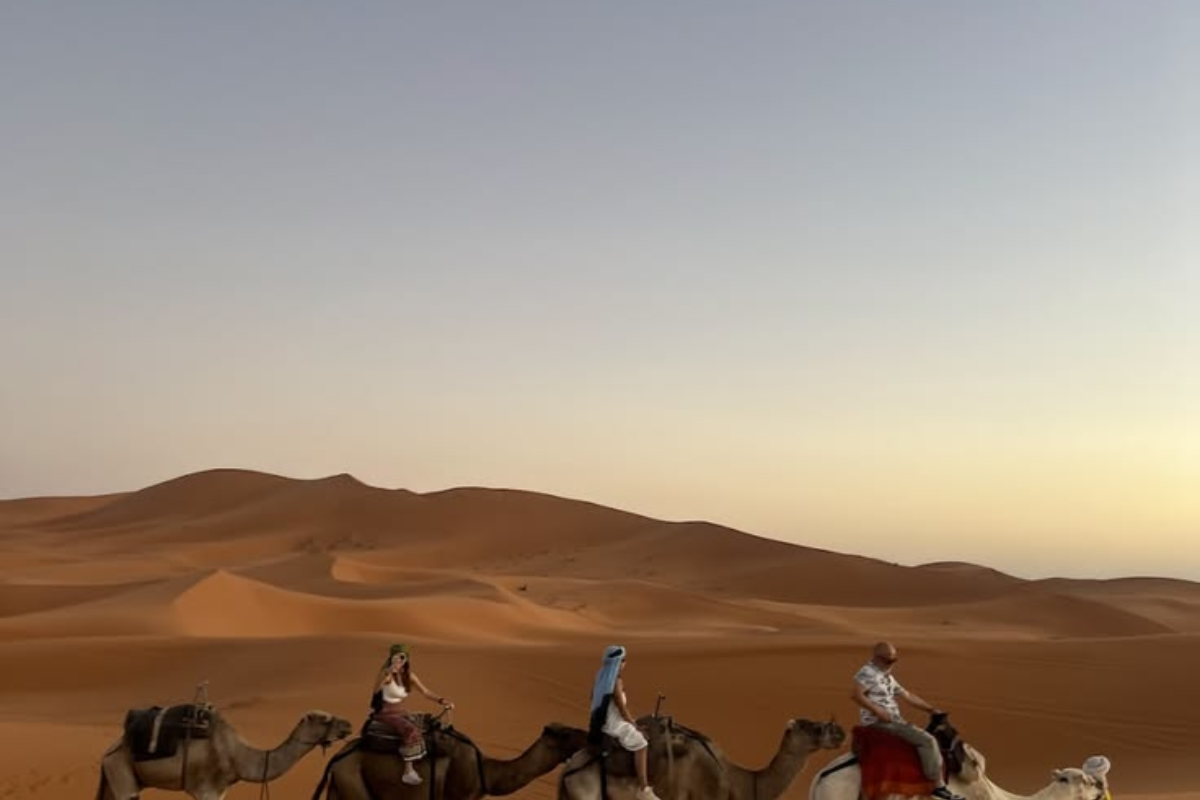
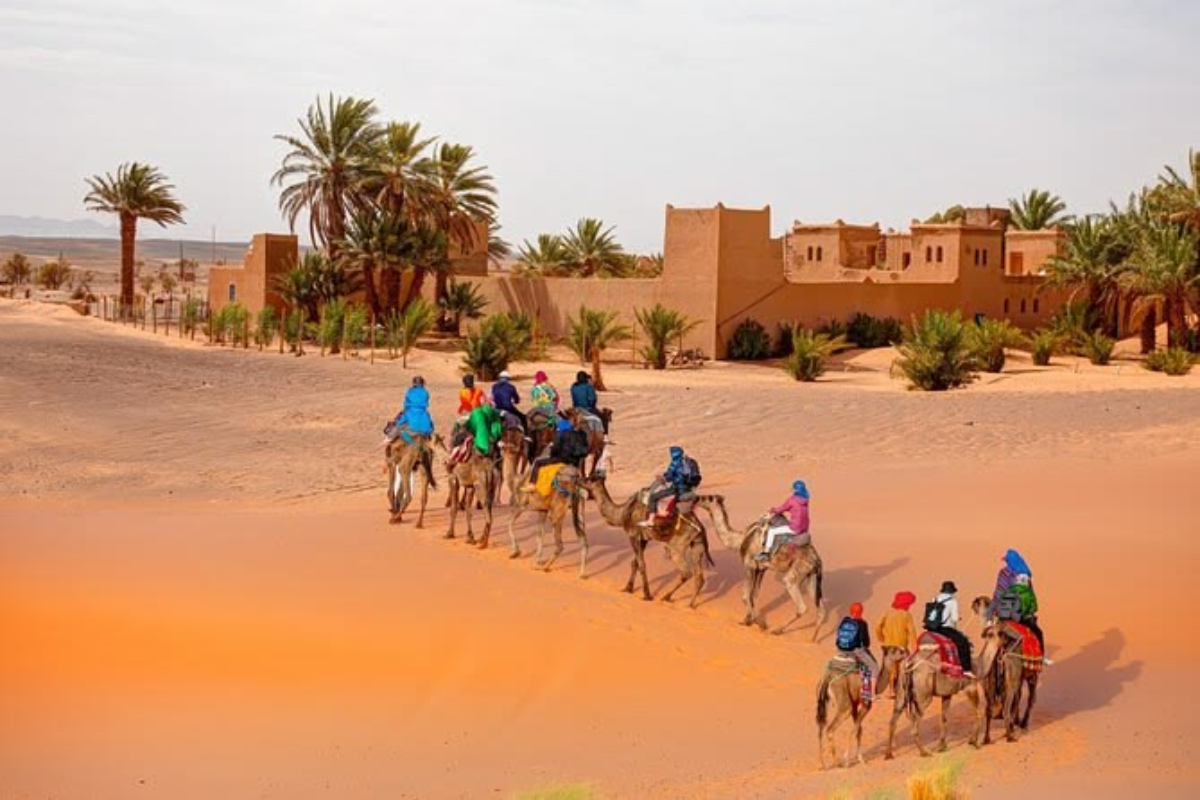
The camel trek usually begins close to golden hour, when the dunes look most dramatic. You’ll ride at a gentle walking pace, often in a small line of camels. The first part usually feels smooth. After about an hour, you may notice mild hip or lower-back pressure, which is normal for first-timers. This is where closed-toe shoes, a scarf, and a small water bottle make a real difference.
Day 2 begins early for sunrise. You’ll climb a nearby dune ridge for soft pastel light and long shadows across the sand. After sunrise, you return to the desert-edge base for breakfast and sometimes a quick shower, then continue the journey with scenic stops depending on route. In a three-day format, this is often where you see gorges, valleys, and kasbah-region landscapes that add depth to the trip beyond “dunes only.”
Day 3 is the long return journey to your departure city (or onward to a different city if your itinerary is one-way). You’ll have stops, photos, and meals on the way, then arrive in the evening. This day can feel tiring physically, but emotionally many travelers feel “full” — because the desert night stays vivid in your mind long after you leave the dunes.
Private vs shared Sahara tours: what you’re really choosing
Both shared and private options can take you to the same dunes and the same camp experience. The difference is the feeling of the journey. Shared tours suit sociable travelers and those who want a lower cost. You follow a fixed schedule and share transport with a small group. For many people, the social element becomes part of the fun.
Private tours offer space and control. You travel with your own driver-guide, stop when you want, take photos without rushing, and move at your pace. This is especially helpful for couples, families, or travelers who dislike group timing. If you’re designing a comfort-first trip, private routing is often one of the best upgrades you can make, because it reduces stress without changing the landscape you see.
What’s included in Morocco desert tour packages (and what’s extra)
Most mid-range packages include transport, driver/guide support, a desert camp stay, camel trekking (often both sunset and sunrise timing), and dinner plus breakfast. Bedding and blankets are provided in virtually all camps. Many tours also include regular photo stops and basic logistics help (for example, storing your main luggage while you go into the dunes).
Lunches, drinks, tips, and certain activities are often extra. If you want adrenaline add-ons like quad bikes or dune buggies, those are usually separate. Some landmarks may also have entry fees depending on your route. This is why it’s important to clarify “what’s included” before booking, so your budget matches reality.
Desert camp options: basic, standard, and luxury
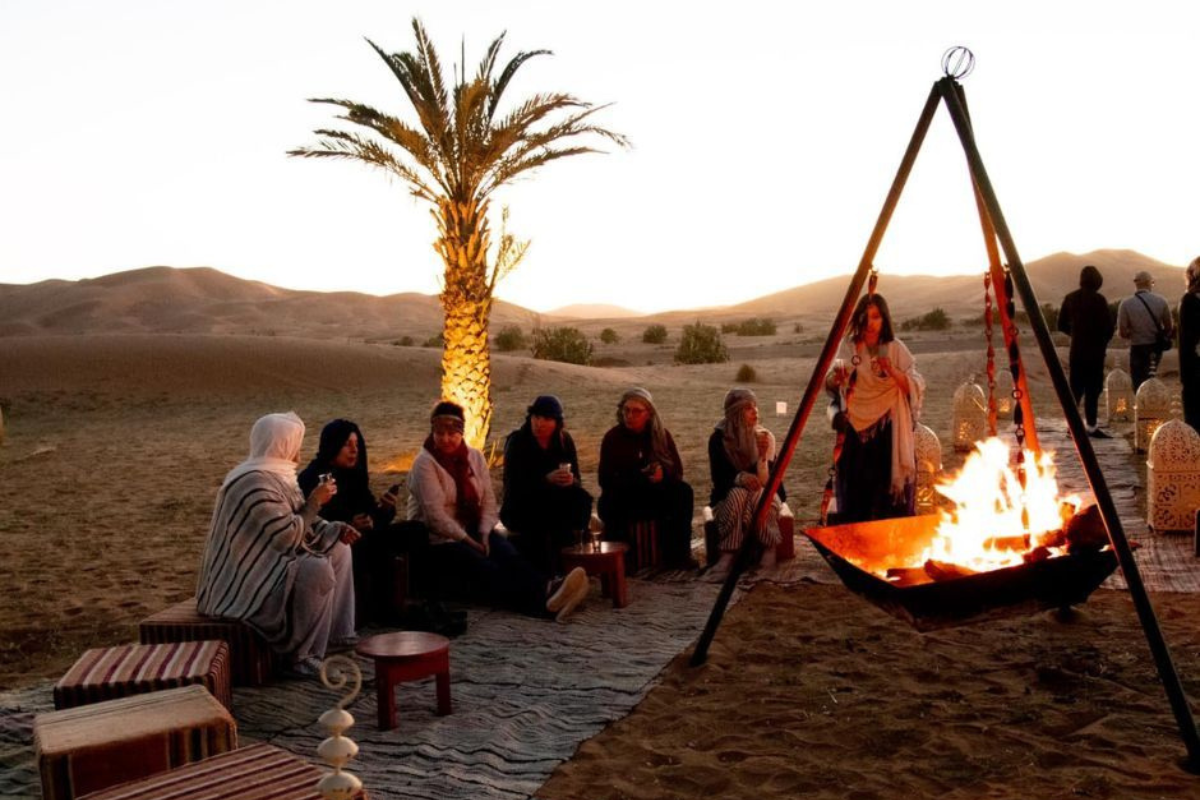
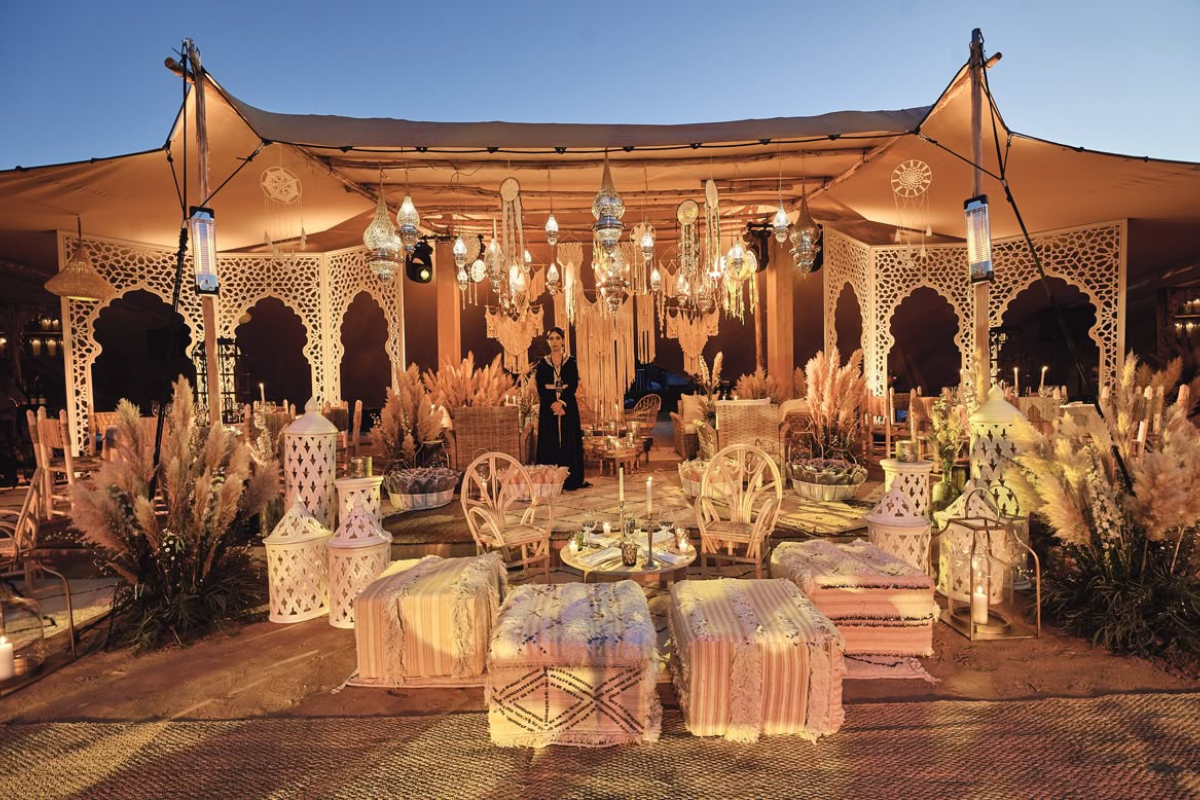
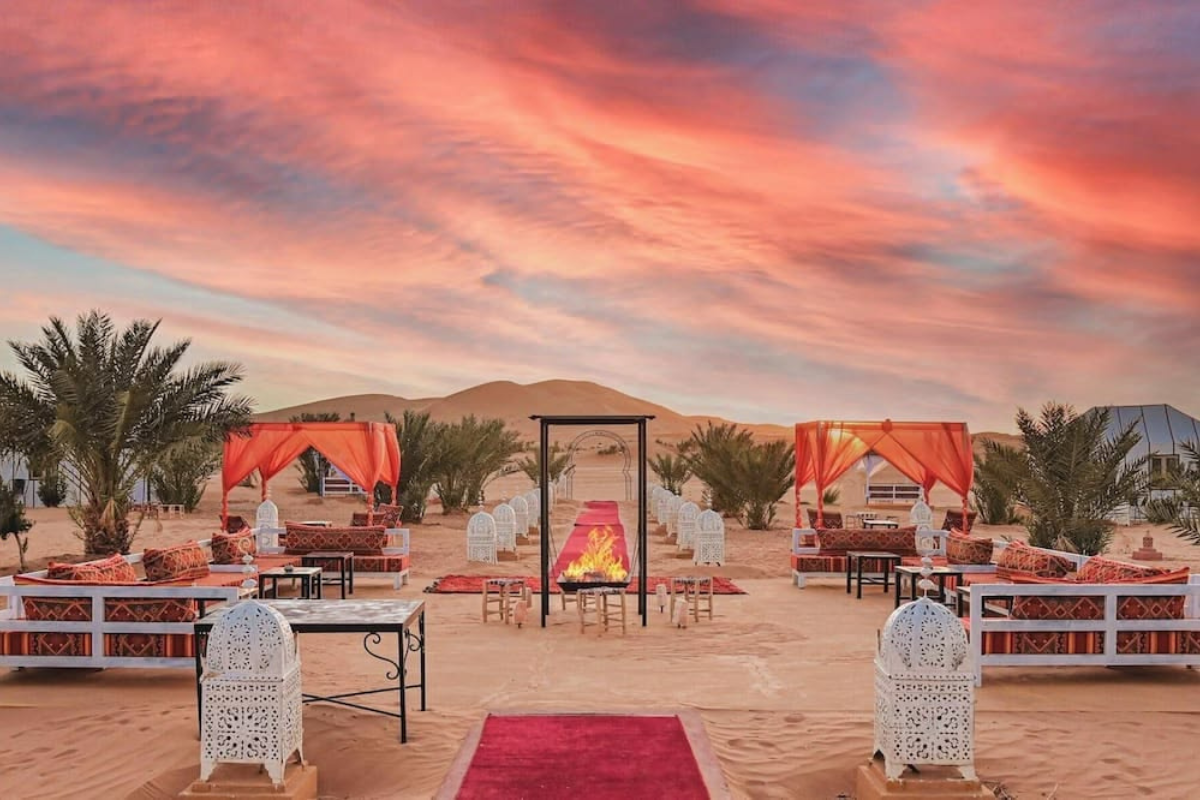
Camps vary in comfort, but they share the same atmosphere: lanterns, sand, tea, drum rhythms, and a night sky that feels endless. Basic camps are minimal and budget-friendly. Standard camps are the most common choice and offer a strong balance of comfort and authenticity. Luxury camps add boutique comfort — sometimes en-suite bathrooms, raised beds, and upgraded dining — while still preserving the desert feel.
The right camp is the one that supports your energy. If you sleep poorly, everything else becomes harder. If you sleep well, the sunrise feels magical instead of miserable. Comfort doesn’t remove authenticity — it often makes it easier to enjoy the authenticity.
What to pack for your Morocco desert trip (simple and effective)
Pack as if you’re going to experience two climates in one day. Bring SPF 50+, sunglasses, and a hat or scarf for daytime. Bring a fleece or warm layer for night. Closed-toe shoes are strongly recommended for the camel trek and for walking on hot sand. Add a small flashlight or headlamp, a power bank, and a small day bag for your essentials.
Cash is useful for lunches, tips, drinks, and small purchases. Keep toiletries minimal. The desert rewards simplicity, and you’ll feel freer when you’re not carrying too much.
Berber hospitality and cultural moments
A Morocco desert trip is as much about people as it is about dunes. Many guides and camp staff are Amazigh (Berber), and their hospitality shapes the experience. You’ll almost always be welcomed with mint tea, and dinners are often shared in a communal setting that encourages conversation and calm.
Respect is the key cultural habit. Ask before photographing people, listen more than you talk, and treat the desert communities as real places, not backdrops. When you travel respectfully, the Sahara feels less like tourism and more like connection.
Tours From Fez:
2 Days Tour From Fez To Merzouga & The Sahara Desert
3 Days Tour From Fes To Marrakech Through Desert Merzouga
4 Days Tour From Fes To Marrakech Via Erg Chebbi
5 Days Tour From Fez To Marrakech Through Desert Tour
6 Days Tour From Fez To Marrakech Sightseeing
7 Days From Fes Desert Tour To Marrakech Via Merzouga Desert
Tours From Tangier And /Or Chefchaoun:
2 Days Tour Jewel of the Rif: Chefchaouen Discovery
7 Days tours from Tangier Imperial Wonders: Exploring Morocco’s Royal Cities
8 Days Tour Start From Tangier Authentic Atlas: Mountains, Valleys, and Berber Culture
11 Days Tour From Tangier Exotic Escapes: Discover Morocco
Tours Of The Imperial Cities, Desert & Kasbahs in 13 Days
Tours From Casablanca:
5 Days Tour From Sahara Sands to Atlas Mountains
7 Days Tour Enchanting Trails of Morocco
9 Days Tour Discover the Wonders of Morocco
10 Days Tour From Casablanca To Marrakech
12 Day Tour Through The imperial cities – Sahara – Chefchaouane
15 Days Tour To North & South Via Desert From Casablanca
9 Days Tour Immerse in the Beauty of Morocco
20 Days Tour Exotic Treasures of Morocco
24 Day Tour Moroccan Delights and Cultural Charms
Tours From Marrakech:
2 Days In Desert M’hamid El Ghizlaine
3 Days Tour From Marrakech To Erge Chegaga
4 Days Trip From Marrakech To Desert Erg Chebbi
5 Days Marrakech entertiement & Sahara Tour
8 Days from Marrakech To Marrakech
13 Days From Marrakesh fairytale The trek to the desert and its history
Food on Sahara tours: what it’s like
Food on desert tours is simple, nourishing, and designed for energy. Dinner is usually tagine-based, with bread, salads, and fruit, followed by tea. Breakfast is typically bread, jams, honey, cheese, eggs, coffee, and tea. It’s not “fine dining,” but it is usually exactly what you want before sunrise and travel.
If you have strict allergies or dietary restrictions, communicate clearly and consider a private plan where details can be confirmed more carefully in advance.
Stargazing: a sky like nowhere else
For many travelers, the night sky becomes the highlight. In the dunes, the absence of city light changes your relationship to the sky. Constellations become obvious. The Milky Way can become visible. The silence makes everything feel sharper. It’s one of the most calming travel experiences you can have, especially after busy city days.
If you’ve been moving fast through Morocco, the Sahara often becomes the moment you finally slow down enough to feel where you are.
Booking your Morocco desert experience: the smartest way to start
The simplest way to plan is to start with your departure city, then choose your duration and comfort level. If you’re leaving from Marrakech, begin with Tours from Marrakech. And if you’re leaving from the north, start with Tours from Fez. If you land in Casablanca, use Tours from Casablanca. If you start in Tangier, use Tours from Tangier.
For travelers who want a guided, well-paced approach, start your planning through Morocco Tours Services. This is the easiest way to combine a desert chapter with the rest of your Morocco trip without separate bookings and avoidable stress.
Combining city, mountains, and Sahara (the best “complete Morocco” combo)
If you want your week to feel like multiple worlds, a powerful combination is: city energy, then mountains, then desert. Marrakech pairs well with a mountain escape through Atlas mountains trekking, then a desert chapter through Sahara desert trekking. This structure balances stimulation and stillness, and it prevents the trip from feeling like nonstop heat and crowds.
It also creates the kind of journey people remember: medina life, fresh mountain air, then dunes and stars. That rhythm is what makes Morocco so special when you plan it intentionally.
Conclusion: your Morocco desert adventure awaits
A well-designed Morocco Desert Tours experience gives you Morocco’s greatest contrast: dunes after cities, silence after noise, and starlight after streetlights. Whether you choose shared travel for value and community or private travel for comfort and control, the Sahara tends to deliver the same core memories: sunset, drum rhythms, and sunrise over endless sand.
When you’re ready, start planning through Morocco Tours Services, choose your departure city, and build the desert chapter that fits your time and comfort. The dunes will do the rest.