English


Morocco is one of North Africa’s most diverse travel destinations, combining imperial cities, Atlantic beaches, mountain landscapes, desert dunes, historic medinas, traditional villages, ancient trade routes, colorful markets, and distinctive architecture within a single country.
For first-time visitors, deciding what to include can be difficult because the experiences are so varied. One trip might focus on Marrakech and the Sahara, while another may include Chefchaouen, Fes, Casablanca, Tangier, Essaouira, the Atlas Mountains, or cultural heritage routes.
This guide to the top things to do in Morocco brings together the country’s most memorable experiences while also helping travelers understand how to organize Morocco Tours, Morocco Private Tours, Morocco Desert Tours, photography trips, cultural journeys, day trips, and customized itineraries.
Whether you are planning a short city break, a complete Morocco Vacation Guide, or one of the many available Morocco Holiday Packages, the best trip is usually the one that balances famous destinations with enough time to actually experience each place.
1. Explore the Medina of Marrakech
Marrakech is one of Morocco’s most famous destinations and a natural starting point for many travelers.
The historic medina combines narrow streets, traditional shops, riads, restaurants, markets, architectural details, courtyards, and some of the country’s most recognizable public spaces.
Walking is one of the best ways to experience the old city. Rather than trying to follow a strict route through every street, allow time to explore different sections of the medina and observe how the atmosphere changes throughout the day.
Marrakech is also an important base for Tours from Marrakech, including excursions to the Atlas Mountains, Ait Ben Haddou, Essaouira, desert regions, and nearby valleys.
For travelers who prefer organized transportation, many Morocco Tour Packages begin or finish in the city.
2. Experience Jemaa el-Fna
No visit to Marrakech feels complete without spending time around Jemaa el-Fna.
The square is one of the city’s best-known gathering places and provides access to many surrounding streets and souks.
Its atmosphere changes significantly between morning, afternoon, and evening.
Travelers can explore the surrounding markets, stop at rooftop cafés, photograph the changing light, or simply observe the activity from a comfortable distance.
Because the area can become crowded, keep personal belongings secure and remain aware of your surroundings.
For photographers, the square can also become an important stop on a Marrakech Photography Tour.
3. Wander Through the Marrakech Souks
The souks of Marrakech offer one of the most recognizable shopping experiences in Morocco.
Travelers may encounter textiles, spices, lamps, ceramics, leather products, carpets, jewelry, decorative objects, woodwork, and many other traditional or contemporary products.
The experience is not only about buying.
Walking through the markets allows visitors to see workshops, observe different materials, discover decorative styles, and better understand the commercial life of the medina.
Take your time when shopping and compare quality before making larger purchases.
A relaxed approach usually creates a more enjoyable experience than trying to rush through every market street.
4. Discover the Historic Medina of Fes
Fes offers one of the most culturally rich experiences in Morocco.
Its historic medina contains narrow lanes, workshops, religious and educational heritage, markets, traditional homes, food stalls, fountains, and centuries-old architecture.
For many first-time visitors, a knowledgeable local guide can make the experience easier because the street network is complex.
A Fes Photography Tour can also provide interesting opportunities for travelers who want to focus on architecture, crafts, doors, markets, and traditional urban scenes.
Fes deserves more than a quick stop.
A full day allows travelers to explore at a more reasonable pace.
5. See Traditional Crafts in Fes
Traditional craftsmanship remains one of the most interesting parts of visiting Fes.
Depending on the area, travelers may encounter artisans working with leather, wood, ceramics, metal, textiles, decorative plaster, and traditional tilework.
Watching these crafts provides context for many of the decorative elements seen in riads, palaces, mosques, and traditional houses throughout Morocco.
The city is particularly interesting for travelers who want a cultural experience rather than only photographing famous landmarks.
6. Visit the Tanneries of Fes
The leather tanneries are among the most famous sights in Fes.
Visitors often view the working areas from terraces surrounding the tannery district.
The scene is visually distinctive, but it is important to remember that these are real working spaces.
Respect the people performing the work and avoid treating them simply as a tourist display.
Photography can be interesting, particularly from elevated viewpoints, but responsible behavior should always come first.
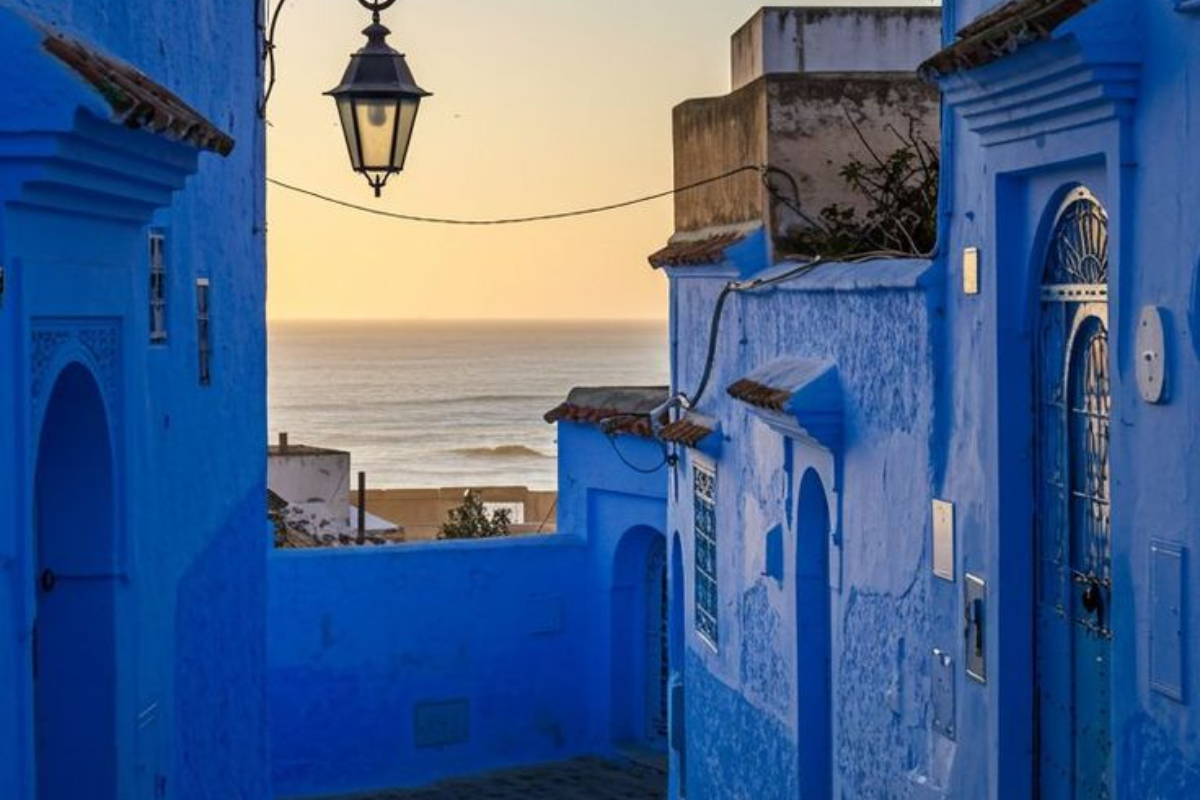
7. Walk Through the Blue Streets of Chefchaouen
Chefchaouen is one of the most photographed places in Morocco.
Located in northern Morocco, the town is known for blue-painted streets, stairways, doors, small squares, mountain views, and a relaxed atmosphere.
Compared with Fes or Marrakech, its medina is smaller and easier to explore.
Photography is a major reason people visit, but the town is also home to local residents.
Do not block doorways, enter private spaces, or photograph people closely without permission.
For visitors interested in Morocco Photo Tours, Chefchaouen is often one of the most rewarding destinations.
8. Experience the Sahara Desert
A Sahara experience is one of the highlights of many Morocco Desert Tours.
The desert offers a completely different environment from Morocco’s cities.
Large dunes, wide horizons, changing light, silence, and desert camps create a memorable contrast with busy medinas.
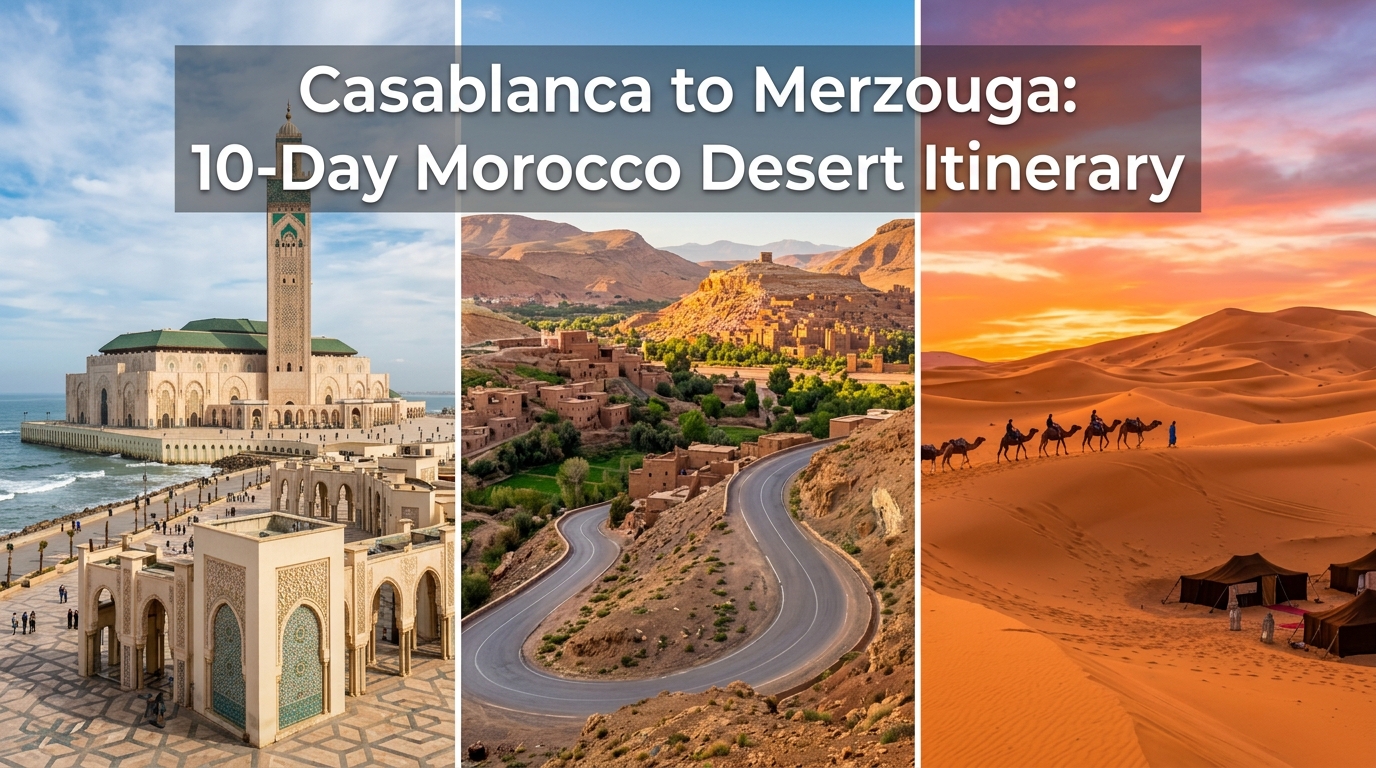
Merzouga is one of the most common destinations for travelers looking for a Sahara experience near the Erg Chebbi dunes.
Depending on your itinerary, the desert section may include sunset, sunrise, a camp stay, regional sightseeing, and a camel trek or another organized transfer.
Always confirm exactly what is included before booking.
9. Watch Sunset Over the Dunes of Merzouga
Sunset can transform the Sahara landscape.
As the light changes, the dunes may shift through different shades of gold, orange, and red.
The experience can be especially rewarding for photographers because dune ridges create strong patterns of light and shadow.
However, weather conditions vary, and no operator can guarantee a perfect sunset.
Instead of focusing only on getting one photograph, take time to enjoy the wider atmosphere.
10. Spend a Night in a Desert Camp
Staying overnight in the Sahara allows travelers to experience the desert beyond a short daytime visit.
Camps near Merzouga vary greatly in style and facilities.
Before booking, ask about the tent type, bathroom arrangements, meals, transfers, activities, and location.
The word “luxury” does not always mean the same thing from one property to another.
A clear description of facilities is more useful than relying only on marketing language.
11. Cross the High Atlas Mountains
The High Atlas is one of Morocco’s most dramatic landscapes.
Many routes between Marrakech and southern Morocco cross mountain roads with valleys, traditional villages, rocky slopes, and panoramic viewpoints.
For travelers heading toward Ait Ben Haddou, Ouarzazate, Dades Valley, or the Sahara, the mountain crossing becomes part of the journey.
The route should not be treated merely as transportation.
The changing scenery explains much of Morocco’s geographical diversity.
Weather and road conditions can affect travel, so flexible timing is important.
12. Visit Ait Ben Haddou
Ait Ben Haddou is one of Morocco’s most recognizable historic settlements.
The ksar is known for earthen architecture, defensive walls, towers, narrow passages, and its position within the southern Moroccan landscape.
Visitors should spend enough time walking through the settlement rather than stopping only for a panoramic photograph.
From higher areas, travelers can also enjoy wide views of the surrounding valley.
Comfortable shoes are recommended because paths can be uneven.
Ait Ben Haddou can be included in Morocco Private Tours, desert routes, Morocco Day Trips, and longer itineraries through southern Morocco.
13. Learn About Morocco’s Historic Caravan Routes
Southern Morocco has long been connected with historic trade routes.
Fortified settlements, oasis communities, and towns such as Ait Ben Haddou developed within regions linked to the movement of people, goods, and information.
Understanding this history adds meaning to the architecture visitors see today.
Walls, towers, and compact settlements were not built only for appearance.
They served practical roles related to security, community organization, commerce, and life in demanding environments.
14. Explore Todra Gorge
Todra Gorge is one of the most impressive natural stops on routes through southeastern Morocco.
High rock walls create a dramatic environment that contrasts strongly with the desert landscapes farther east.
A walking stop provides an opportunity to leave the vehicle and experience the scale of the gorge.
The area can also be rewarding for photographers, particularly when changing light reaches different parts of the rock walls.
Todra is frequently included in routes connecting Merzouga with Dades Valley and Marrakech.
15. Travel Through Dades Valley
The Dades region offers mountain landscapes, unusual geological formations, traditional villages, valley scenery, and earthen architecture.
It often serves as an overnight stop between the Sahara and Marrakech.
For travelers interested in Morocco Photography Tours, the area offers opportunities for wide landscape compositions and traditional architecture.
However, avoid trying to stop at every viewpoint.
Choosing a few meaningful locations usually creates a more relaxed and enjoyable trip.
16. Discover Ouarzazate
Ouarzazate is an important gateway to southern Morocco.
The city and surrounding area are strongly associated with desert routes, traditional architecture, and film production.
Travelers interested in cinema may choose to spend more time here.
Others may use Ouarzazate as a stop between Ait Ben Haddou and other southern destinations.
The amount of time you dedicate to the city should depend on your interests rather than simply adding another destination to the itinerary.
17. Visit Rabat
Rabat offers a calmer urban experience than some of Morocco’s busiest tourism centers.
As the national capital and one of the imperial cities, it combines historic sites, modern administrative areas, gardens, and coastal influences.
Rabat can be included on routes from Casablanca toward northern Morocco.
It works particularly well for travelers interested in history and architecture who want to experience another side of Moroccan city life.
18. Explore Casablanca
Casablanca is Morocco’s largest city and an important arrival point for international visitors.
The city provides a modern contrast to Fes, Chefchaouen, or the Sahara.
Many Tours from Casablanca use the city as the starting point for routes toward Rabat, Chefchaouen, Fes, Marrakech, and the desert.
Travelers interested in architecture may also want to spend time around the Hassan II Mosque and nearby coastal areas.
A Casablanca Photography Tour can focus on the city’s combination of modern architecture, urban life, and Atlantic scenery.
19. Visit Tangier
Tangier occupies a distinctive position in northern Morocco.
Its history, coastal setting, and cultural influences make it different from Marrakech or the desert regions.
The city can work as a starting point for Tours from Tangier toward Chefchaouen, Fes, or longer Morocco routes.
Photographers may be interested in old streets, coastal views, architecture, and the interaction between Mediterranean and Moroccan influences.
A dedicated Tangier Photography Tour can provide more time for these subjects.
20. Relax in Essaouira
Essaouira offers a completely different atmosphere from Marrakech.
The Atlantic setting, historic streets, coastal views, port environment, and slower pace make it one of the most popular destinations for travelers who want a break from inland cities.
It can be visited as a day trip or as an overnight destination.
Travelers who prefer slower itineraries may enjoy spending at least one night rather than returning immediately to Marrakech.
Essaouira also adds useful variety to longer Morocco Holiday Packages.
21. Take a Morocco Day Trip
Not every traveler needs a long multi-city tour.
Morocco Day Trips are useful for visitors who want to remain based in one city while exploring nearby destinations.
From Marrakech, travelers may consider mountain valleys, Essaouira, Ait Ben Haddou, or other nearby areas depending on travel time and preferences.
Tours from Fez can focus on nearby cultural destinations or serve as the beginning of longer desert routes.
Tours from Casablanca can include Rabat or connect travelers with broader national itineraries.
The best day trip is usually one with realistic driving times and enough time at the main destination.
22. Book a Morocco Private Tour
Morocco Private Tours are useful for travelers who value flexibility.
A private itinerary may allow greater control over departure times, sightseeing stops, meals, photography breaks, and accommodation choices.
This travel style can be particularly useful for families, couples, photographers, small groups, or travelers with specific interests.
However, private travel does not mean every service is automatically included.
Always confirm transportation, accommodation, guides, meals, activities, and entrance fees before booking.
23. Design Custom Morocco Tours
Travelers with specific interests may prefer Custom Morocco Tours instead of a fixed package.
A customized journey can focus on photography, desert landscapes, architecture, Jewish heritage, food, luxury travel, family experiences, or a combination of themes.
The main advantage is that the route can be designed around the traveler rather than forcing the traveler to adapt to an existing itinerary.
A well-designed custom tour should still follow logical geography.
Adding too many distant destinations simply because they are famous can create an exhausting trip.
24. Experience Luxury Morocco Tours
Luxury Morocco Tours can provide higher-end accommodation, private transportation, carefully selected dining, customized sightseeing, and more personalized services.
Luxury travel in Morocco may include elegant riads, high-quality hotels, private desert camps, specialized guides, and customized activities.
However, travelers should look beyond the word “luxury.”
Ask what specific accommodations, vehicles, room categories, meals, and services are included.
A detailed itinerary is more useful than general marketing claims.
25. Join Morocco Photo Tours
Morocco is an excellent destination for travel photography.
The combination of architecture, landscapes, markets, mountains, desert dunes, coastal areas, traditional villages, and changing light creates a large variety of subjects.
Morocco Photo Tours may include destinations such as Chefchaouen, Fes, Marrakech, Merzouga, Ait Ben Haddou, and Dades Valley.
A photography-focused itinerary should generally include fewer destinations and more time at each location.
Photographers often need flexibility for light, weather, and unexpected scenes.
For that reason, Morocco Photography Tours can benefit from private or very small-group transportation.
26. Discover Morocco’s Jewish Heritage
Morocco has a significant Jewish cultural and historical legacy.
Travelers interested in Morocco Jewish Heritage can explore places connected with Jewish communities, historic quarters, cemeteries, synagogues, architecture, and cultural traditions.
Jewish Heritage Tours Morocco can focus specifically on this aspect of the country’s history.
The exact destinations should depend on the historical sites included in the itinerary and the traveler’s interests.
A specialized guide can add important context to these visits.
27. Combine Morocco With Portugal and Spain
Travelers planning a longer international journey may combine Morocco with neighboring European destinations.
An 18 Day Portugal, Spain & Morocco itinerary can create a multi-country experience that combines Iberian cities with Morocco’s medinas, mountains, and cultural landscapes.
Because this type of trip involves border crossings, flights or ferries, multiple accommodations, and different transportation systems, careful planning becomes especially important.
It is better to visit fewer destinations properly than create an itinerary based only on adding famous city names.
28. Taste Moroccan Cuisine
Food should be treated as part of the travel experience.
Moroccan cuisine includes regional variations and dishes influenced by local ingredients, history, and traditions.
Travelers may encounter tagines, couscous, soups, salads, grilled foods, bread, pastries, tea, and numerous regional dishes.
Fes and Marrakech provide many dining options, while smaller towns and guesthouses can offer simpler regional meals.
Take time to enjoy meals instead of treating every lunch or dinner as a quick break between attractions.
29. Stay in a Traditional Riad
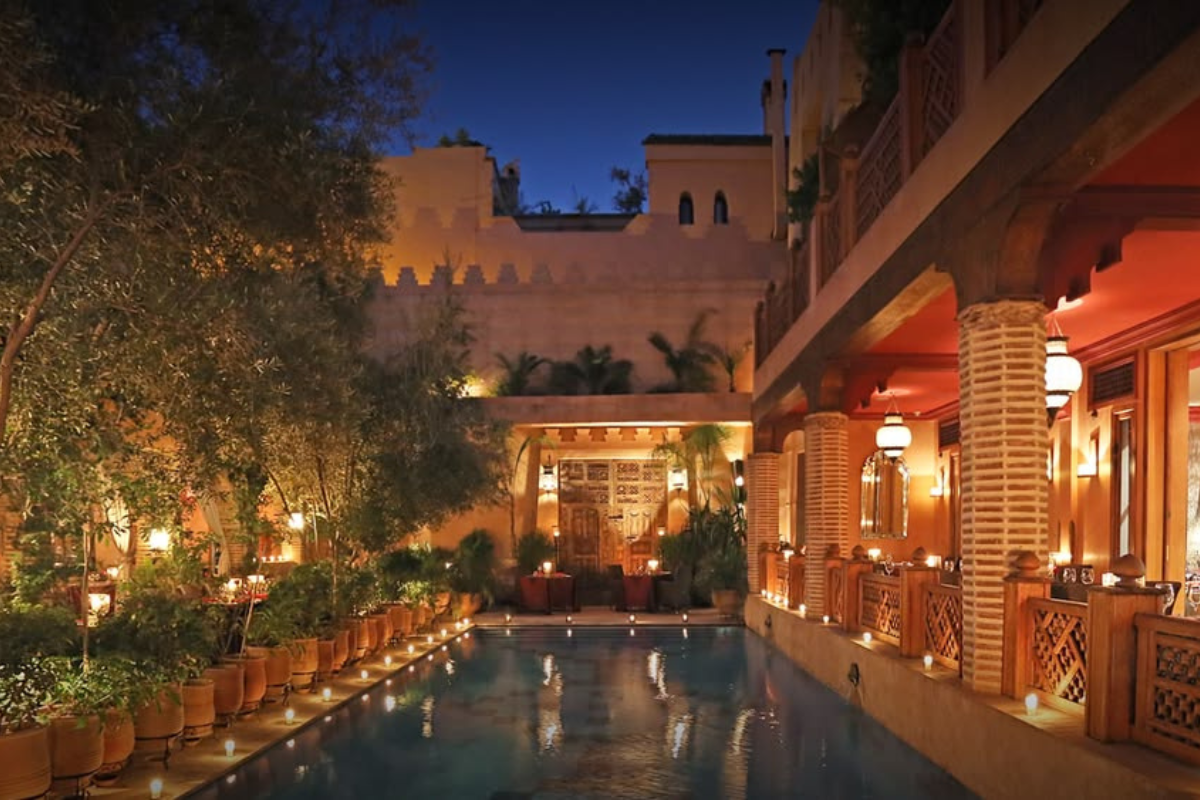
A riad stay can become one of the most memorable parts of a Morocco trip.
Traditional riads often feature an interior courtyard, decorative tiles, carved wood, plaster details, fountains, or rooftop terraces.
They are especially common in historic areas of Marrakech and Fes.
Because many riads are located deep inside pedestrian medinas, vehicles may not reach the front door.
Ask about meeting points and luggage assistance before arrival.
30. Explore Morocco With a Local Tour Operator
Choosing an experienced Tour operator in Morocco can simplify complicated itineraries.
A local operator may coordinate transportation, accommodation, guides, desert experiences, airport transfers, and customized activities.
Travelers searching for a travel agency Morocco should compare companies based on transparency rather than only price.
Look for clear information about the itinerary, vehicles, accommodations, meals, guides, cancellation policy, and additional costs.
A professional company should explain what is included before payment.
Morocco Tours for Different Travel Styles
There is no single ideal way to experience Morocco.
Some visitors prefer independent travel, while others choose organized Morocco Tours Services that coordinate transportation and sightseeing.
Families may prioritize comfortable travel times and flexible breaks.
Couples may prefer private riads and slower evenings.
Photographers may want sunrise and sunset flexibility.
Groups may prefer shared transportation.
Corporate travelers may require completely different services.
For this reason, the best itinerary is one designed around the traveler’s actual priorities.
Morocco DMC and MICE Travel
Morocco is not limited to leisure tourism.
Organizations planning professional travel may work with a Morocco DMC for destination management and local coordination.
Morocco MICE services may involve meetings, incentives, conferences, and events.
Companies requiring Corporate Events Morocco, conference organization Morocco, or larger professional programs should look for operators with relevant event-management experience rather than selecting a standard leisure-tour provider.
The requirements of a corporate group are very different from those of a couple booking a desert trip.
Events and Destination Celebrations in Morocco
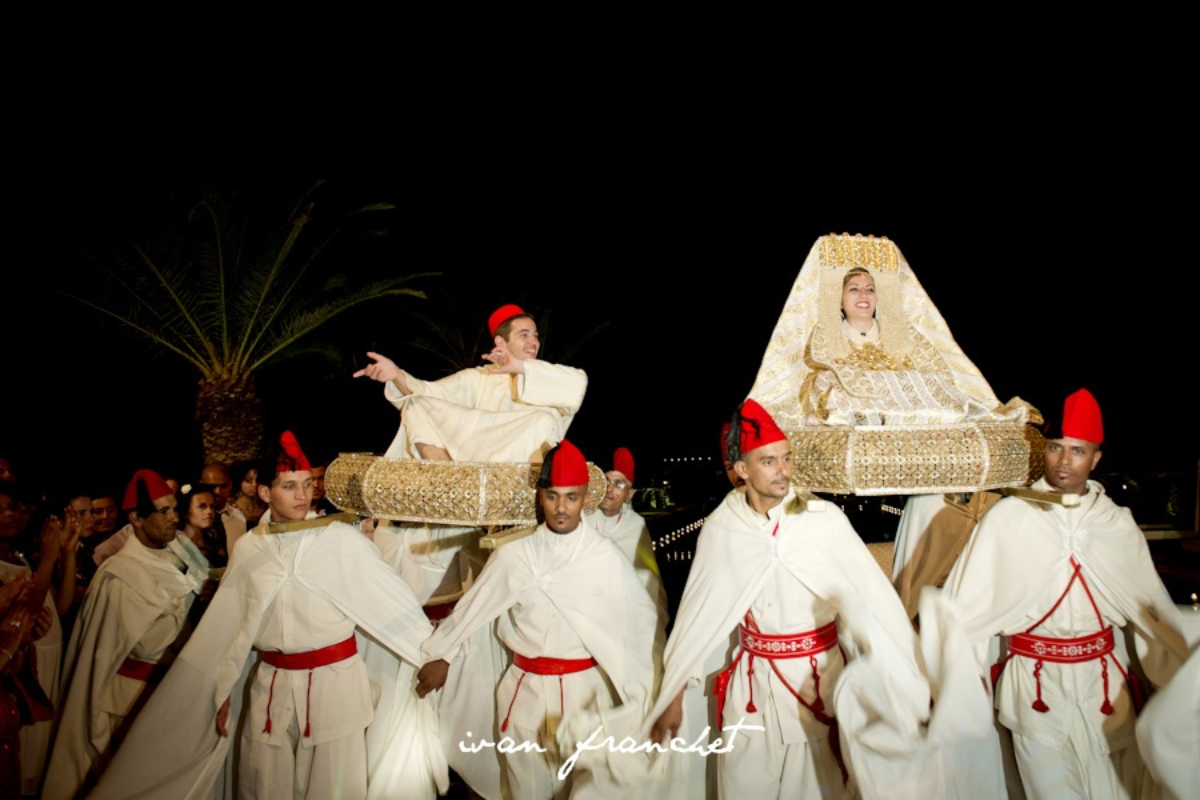
Morocco is also used as a destination for private and professional events.
Travelers or organizations may look for Destination Weddings Morocco, a Morocco event planner, or an events agency Morocco.
Marrakech and Casablanca are particularly important event destinations.
Services such as Event planning Marrakech, Event planning Casablanca, conference organization Marrakech, conference organization Casablanca, and luxury events Marrakech require detailed logistical planning.
Venue selection, transportation, accommodation, catering, guest coordination, and scheduling should all be clearly managed.
How Many Days Do You Need in Morocco?
The ideal trip length depends on what you want to see.
A short trip may focus on Marrakech and one or two day trips.
Around seven days allows travelers to combine several cities or include part of the Sahara route.
Ten days provides a better opportunity to combine northern cities, Fes, desert landscapes, southern valleys, and Marrakech.
Two weeks allows a slower pace and more regional variety.
The most common mistake is trying to cover too much.
Morocco may look compact on a map, but mountain roads and long overland routes require time.
Best Time to Visit Morocco
Morocco can be visited throughout much of the year, but conditions differ significantly between regions.
Spring can provide comfortable conditions for city sightseeing and outdoor activities.
Summer can be extremely hot in inland and desert areas, so travelers need to prepare for heat and strong sun.
Autumn can also provide comfortable conditions for multi-region itineraries.
Winter can work well for some cities and desert travel, but mountain areas may be much colder.
Because Morocco includes coast, mountains, cities, and desert regions, travelers should check conditions for the entire itinerary rather than only the arrival city.
What to Pack for Morocco
Packing should reflect your route.
Comfortable shoes are essential for medinas, historic settlements, and uneven outdoor areas.
Layers are useful because temperatures can change between cities, mountains, and desert regions.
Travelers should also consider sun protection, sunglasses, a hat, a reusable water bottle, a portable charger, personal medication, travel documents, and a small day bag.
Pack lightly if you plan to change accommodation frequently.
Responsible Travel in Morocco
Responsible tourism improves the experience for both travelers and local communities.
Ask before taking close photographs of people.
Respect private homes and restricted areas.
Avoid damaging historic architecture.
Dispose of waste responsibly.
Follow local rules at cultural and religious sites.
Support local businesses when appropriate.
The medinas, villages, valleys, and desert communities travelers visit are not simply tourism attractions.
They are places where people live and work.
Frequently Asked Questions
What are the top things to do in Morocco?
Some of the most popular experiences include exploring Marrakech and Fes, visiting Chefchaouen, experiencing the Sahara near Merzouga, crossing the Atlas Mountains, visiting Ait Ben Haddou, exploring Todra Gorge and Dades Valley, relaxing in Essaouira, and discovering Morocco’s food, crafts, and traditional architecture.
Is the Sahara worth visiting?
For travelers interested in landscapes, photography, desert culture, and road trips, the Sahara can be one of the most memorable parts of Morocco.
Is Marrakech enough for a first trip to Morocco?
Marrakech provides a strong introduction, but traveling beyond the city shows much more of Morocco’s geographic and cultural diversity.
What is the best way to tour Morocco?
The best method depends on your itinerary. Travelers can use public transportation, rental cars, group tours, Morocco Private Tours, or Custom Morocco Tours.
Are Morocco Desert Tours suitable for first-time visitors?
Yes, provided travelers understand that many desert itineraries include long driving days.
Can I book photography tours in Morocco?
Yes. Specialized Morocco Photo Tours and Morocco Photography Tours can focus on destinations such as Chefchaouen, Fes, Marrakech, the Sahara, and southern Morocco.
Can Morocco trips be customized?
Yes. Custom itineraries can be designed around destinations, travel pace, photography, heritage, luxury travel, family needs, or desert experiences.
Final Tips for Planning Morocco Tours
Choose destinations that connect logically.
Do not select an itinerary based only on the number of places included.
Leave enough time in major cities.
Expect long drives when traveling to the Sahara.
Compare accommodation and tour inclusions carefully.
Use comfortable footwear.
Pack for different climates.
Respect local communities.
Most importantly, allow time for experiences that cannot be scheduled precisely: a quiet street in Fes, changing light in the Sahara, a mountain viewpoint, a long Moroccan meal, or an unexpected conversation.
Conclusion
The top things to do in Morocco go far beyond visiting a few famous landmarks.
The country offers an extraordinary combination of imperial cities, medinas, mountain landscapes, historic villages, coastal towns, traditional crafts, Sahara dunes, kasbahs, photography opportunities, cuisine, heritage, and local culture.
Travelers can explore Marrakech and Fes, walk through Chefchaouen’s blue streets, cross the Atlas Mountains, discover Ait Ben Haddou, experience the Sahara near Merzouga, visit Todra Gorge and Dades Valley, relax by the Atlantic, or build a completely customized itinerary.
Whether you choose standard Morocco Tours, Morocco Holiday Packages, Luxury Morocco Tours, Morocco Desert Tours, photography journeys, heritage travel, or Morocco Private Tours, thoughtful planning makes the biggest difference.
The best Morocco trip is not necessarily the one with the longest list of attractions. It is the one that gives you enough time to experience the places you visit, understand their culture and landscapes, and travel between them at a realistic pace.
With the right route and enough flexibility, Morocco can offer everything from historic medinas and mountain roads to Sahara sunsets, coastal scenery, traditional architecture, cultural heritage, and some of North Africa’s most memorable travel experiences.