English


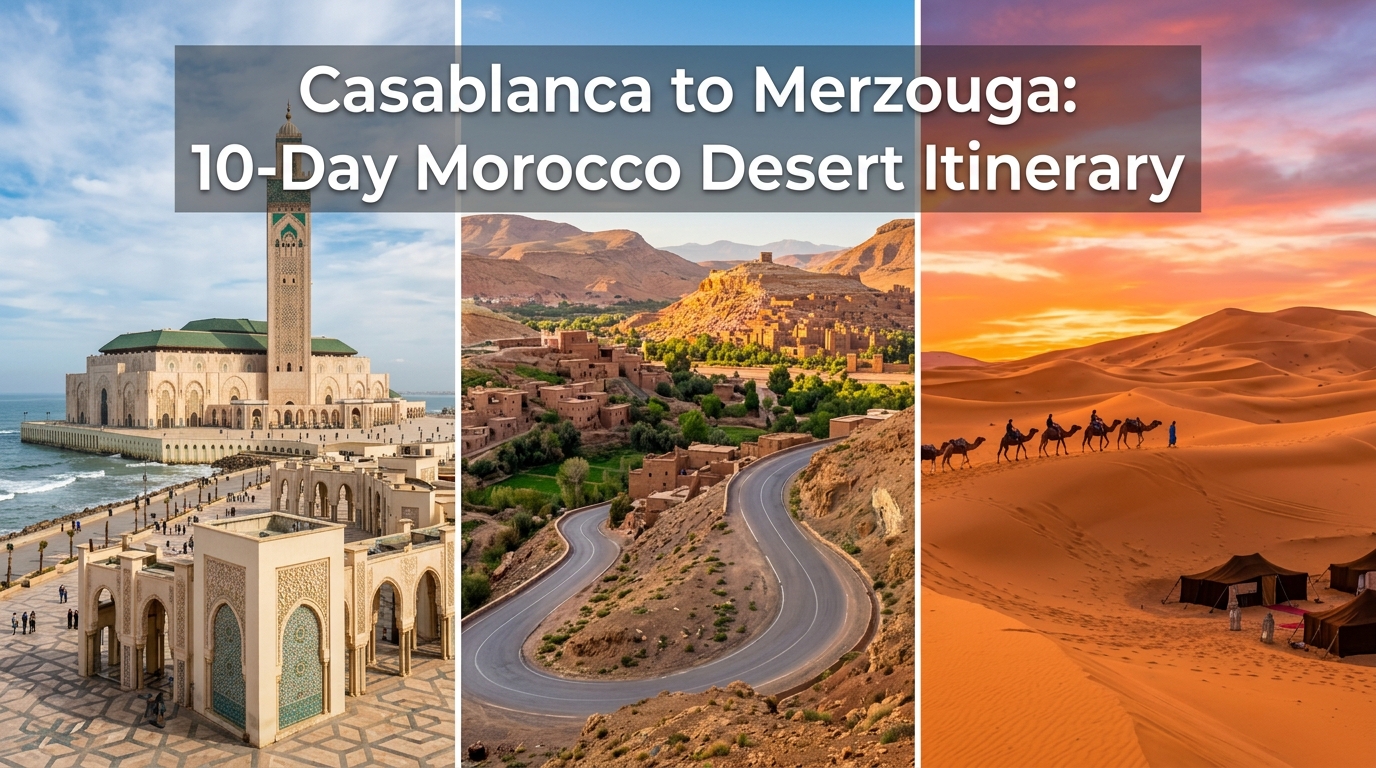
Morocco is a country of extraordinary contrasts. Ancient medinas sit beside modern cities, fertile valleys give way to dramatic mountain ranges, and beyond the Atlas Mountains, the landscape gradually transforms into the golden dunes of the Sahara.For travelers who want to experience several sides of the country in one journey, this 10-Day Morocco Desert Itinerary offers an exciting route from Casablanca to Merzouga and onward to Marrakech. Along the way, you can discover Rabat, Chefchaouen, the Roman ruins of Volubilis, imperial Meknes, historic Fes, the Middle Atlas Mountains, the Ziz Valley, the Erg Chebbi dunes, Todra Gorge, the Dades Valley, Ouarzazate, and Ait Benhaddou.Rather than traveling directly from Casablanca to Merzouga, this itinerary turns the journey into a complete Moroccan experience. Each region introduces a different landscape, architectural style, cuisine, and cultural atmosphere.Whether you are researching Morocco tours, comparing Morocco tour packages, considering Morocco private tours, or simply creating your own independent adventure, this guide provides a practical day-by-day route for exploring Morocco.
Why Choose a 10-Day Morocco Desert Itinerary from Casablanca?
Casablanca is one of Morocco’s main international gateways, making it a practical starting point for many overseas visitors.Instead of immediately heading south, this itinerary first travels north toward Rabat and Chefchaouen before continuing to Fes. From Fes, the route crosses the Middle Atlas Mountains and reaches Merzouga, one of Morocco’s best-known gateways to the Sahara.After exploring the desert, the journey continues west through Todra Gorge, the Dades Valley, Ouarzazate, and Ait Benhaddou before crossing the High Atlas Mountains to Marrakech.Consequently, the route combines several very different Moroccan experiences in a single trip.During ten days, travelers can experience:
Casablanca and the Atlantic coastRabat, Morocco’s capitalChefchaouen and the Rif MountainsThe Roman heritage of VolubilisThe imperial cities of Meknes and FesThe Middle Atlas MountainsThe Ziz Valley and its palm grovesMerzouga and the Erg Chebbi dunesA Sahara camel trekDesert camp accommodationTodra GorgeThe Dades ValleyOuarzazateAit BenhaddouThe High Atlas MountainsMarrakech
Therefore, this route works especially well for first-time visitors who want more than a simple city break.
Day 1: Casablanca to RabatArrival in Casablanca
Your 10-Day Morocco Desert Itinerary begins in Casablanca.Casablanca is Morocco’s largest city and one of its most important economic centers. Although many travelers use it primarily as an arrival point, the city has several attractions worth discovering before continuing north.Depending on your flight arrival time, start with Casablanca’s most recognizable landmark: the Hassan II Mosque.
Visit the Hassan II Mosque
Standing beside the Atlantic Ocean, the Hassan II Mosque is one of Casablanca’s defining monuments.Its location is particularly impressive because the complex rises directly beside the sea. Traditional Moroccan craftsmanship can be seen throughout the structure, including carved wood, decorative plasterwork, stone, and colorful zellij mosaics.Visitors interested in Moroccan architecture will find the mosque particularly rewarding.Because access conditions and tour schedules can change, travelers who want to see the interior should check the current visitor arrangements before arriving.After your visit, take some time to enjoy Casablanca’s coastline before beginning the journey toward Rabat.
Casablanca to Rabat
Continue north to Rabat, Morocco’s administrative capital.The atmosphere changes noticeably after leaving Casablanca. Rabat generally feels more relaxed, and many of its important historical attractions are located relatively close to one another.Once you have checked into your hotel or riad, begin exploring the city.
Explore the Kasbah of the Udayas
One of the most atmospheric places in Rabat is the Kasbah of the Udayas.The fortified quarter stands near the mouth of the Bou Regreg River and offers narrow lanes, traditional houses, and views toward the water.Its blue-and-white streets also provide a small preview of the colors you will encounter the following day in Chefchaouen.Take your time walking through the neighborhood rather than rushing through it. The charm of the Kasbah comes largely from its peaceful atmosphere.Nearby, the Andalusian Garden offers another pleasant place to stop.
Hassan Tower and the Mausoleum of Mohammed V
Later, continue to Hassan Tower.The unfinished minaret forms part of an ambitious mosque project begun during the Almohad period. Today, the tower and surrounding columns create one of Rabat’s most distinctive historical sites.Nearby stands the Mausoleum of Mohammed V, known for its elegant Moroccan decorative work.Together, these monuments provide an excellent introduction to Morocco’s royal and architectural heritage.
Where to Spend the Night
Spend your first night in Rabat.For dinner, consider trying Moroccan dishes or fresh seafood before preparing for the journey into the Rif Mountains.
Day 2: Rabat to Chefchaouen
After breakfast, leave Rabat and travel north toward Chefchaouen.As you move away from the coastal plains, the landscape gradually becomes greener and more mountainous.Eventually, the Rif Mountains appear ahead.
Arriving in Chefchaouen
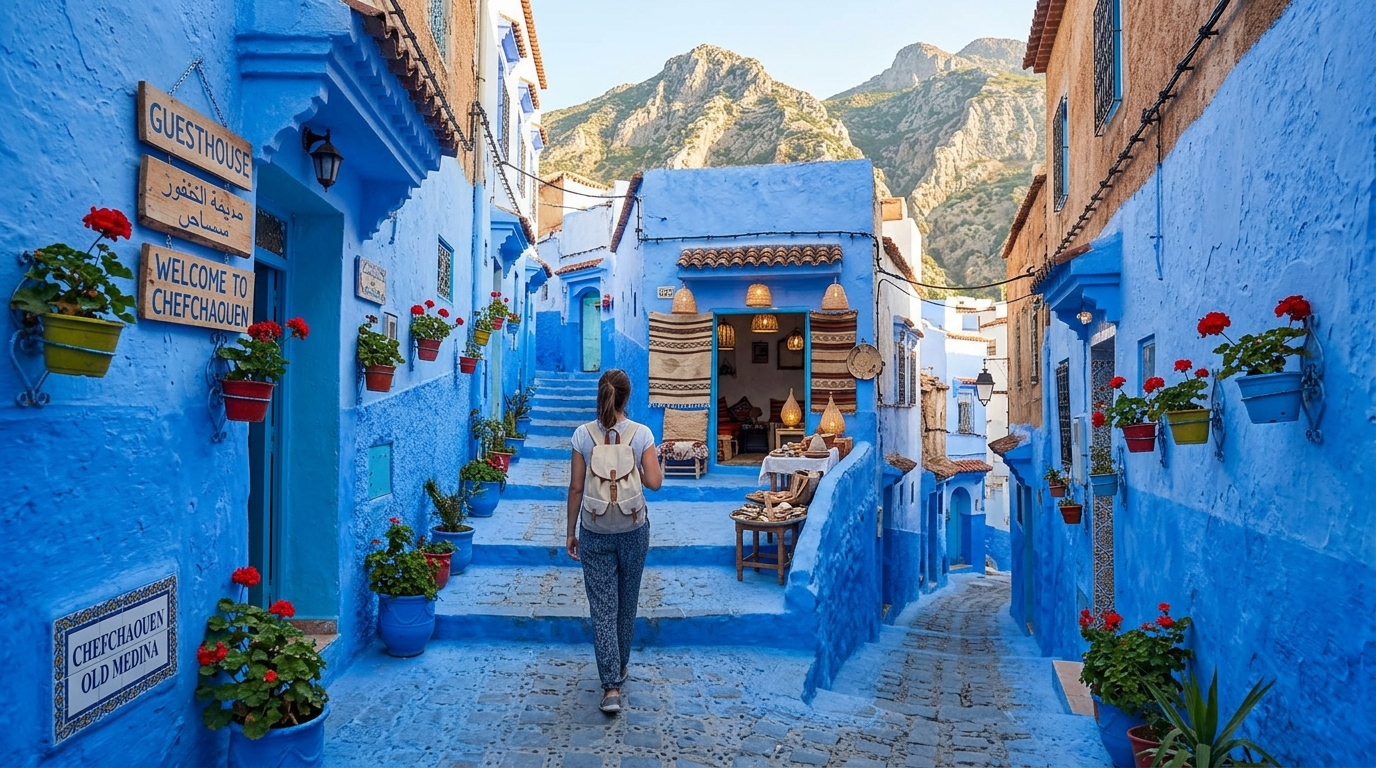
Chefchaouen is one of Morocco’s most photographed destinations.The town is known internationally for the blue-painted streets and buildings of its old Medina. However, Chefchaouen offers more than attractive photography spots.Its mountain setting, compact Medina, local crafts, cafés, and relaxed pace make it noticeably different from larger Moroccan cities.Once you arrive, check into your accommodation and begin exploring on foot.
Walk Through the Blue Medina
There is no need for a complicated route through Chefchaouen.Instead, allow yourself to wander.Small stairways lead toward hidden squares, colorful doors appear around almost every corner, and shops display woven textiles, leather products, handmade decorations, and local crafts.Photography enthusiasts can easily spend several hours exploring the Medina.However, remember that the old city is also a residential neighborhood. Always respect private homes and ask before taking close photographs of residents.
Plaza Outa El Hammam
Eventually, make your way toward Plaza Outa El Hammam, the main square of the old town.Restaurants and cafés surround the square, making it a convenient place to stop for lunch or mint tea.From here, you can continue exploring the surrounding streets before heading toward Ras El Maa.
Ras El Maa and the Spanish Mosque
Later in the afternoon, walk toward Ras El Maa on the eastern side of the Medina.If conditions are comfortable, continue uphill toward the Spanish Mosque viewpoint.The elevated position offers broad views across Chefchaouen and the surrounding mountains.Sunset is particularly popular because the blue Medina gradually changes tone as the light fades.Afterward, return to the old town for dinner.
Practical Tip
Chefchaouen contains steep streets and uneven surfaces. Comfortable walking shoes will make exploring much easier.Spend the night in Chefchaouen.
Day 3: Chefchaouen to Fes via Volubilis and Meknes
Today combines Roman history, imperial architecture, and one of Morocco’s most important cultural cities.Leave Chefchaouen after breakfast and travel south toward Volubilis.
Explore the Roman Ruins of Volubilis
Volubilis is one of Morocco’s most important archaeological sites and forms part of the country’s UNESCO-listed heritage.Walking through the ruins reveals columns, arches, foundations of former homes, public spaces, and detailed mosaics.The archaeological site also occupies an attractive position surrounded by rolling countryside.A local guide can provide additional historical context, particularly if you are interested in understanding how the settlement developed and how the surviving structures were used.After exploring Volubilis, continue toward Meknes.
Discover Meknes
Meknes is one of Morocco’s historic imperial cities.Although it receives fewer visitors than nearby Fes, the city has played an important role in Moroccan history.Explore the historic center and admire monumental gateways, traditional architecture, and public squares.Bab Mansour is among the city’s most recognizable architectural landmarks.Nearby, El Hedim Square provides a convenient place to experience the atmosphere of the old city.Depending on opening conditions and available time, additional historical monuments can be included before continuing toward Fes.
Arrival in Fes
From Meknes, continue to Fes.Fes will feel immediately different from the smaller destinations visited earlier in the itinerary.Its historic Medina is dense, energetic, and filled with workshops, markets, mosques, madrasas, traditional houses, and narrow streets.For an atmospheric experience, consider staying in a traditional riad.
Important Arrival Tip
Many areas of the historic Medina are inaccessible to vehicles.Therefore, if your accommodation is inside Fes el-Bali, arrange your arrival point with the riad beforehand.Spend the night in Fes.
Day 4: Full-Day Tour of Fes
Day four is dedicated entirely to Fes.Fes has enough historical and cultural attractions to justify several days. However, with a well-organized route, you can discover many of its essential highlights in one full day.Hiring a licensed local guide can be particularly useful because the Medina contains a complex network of narrow streets.
Explore Fes el-Bali
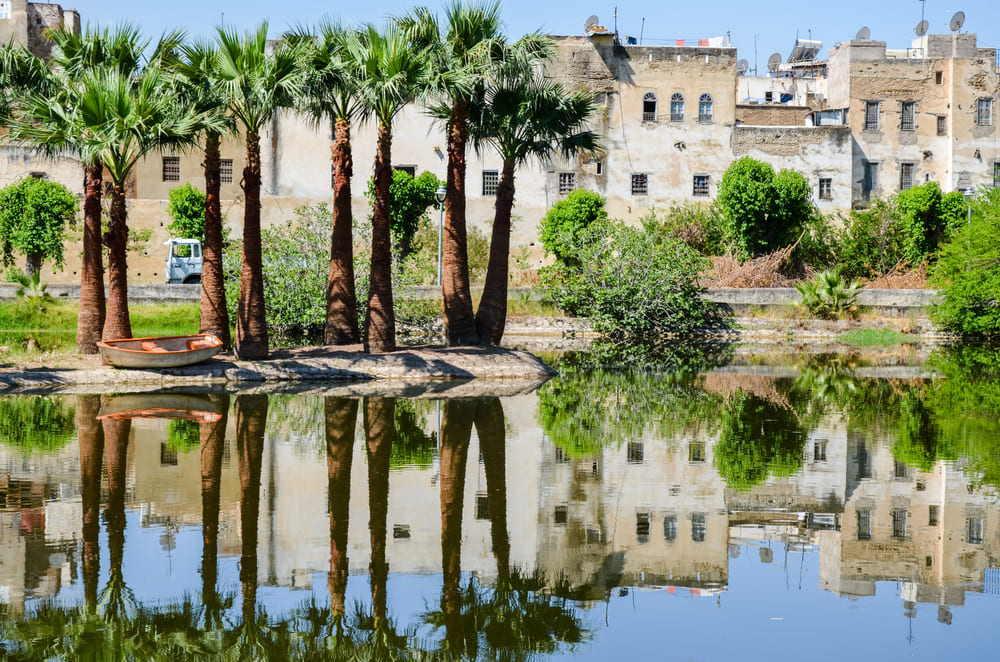
Fes el-Bali forms the historic heart of the city.Rather than thinking of it as a single attraction, consider the Medina a living collection of neighborhoods, markets, religious buildings, workshops, bakeries, fountains, and family homes.Walking through its streets allows you to observe traditional craftsmanship that continues to play an important role in the local economy.
Chouara Tannery
One of the best-known sights in Fes is the Chouara Tannery.From surrounding terraces, visitors can look across the stone dyeing vats where leather is processed and colored.The scene has become one of the most recognizable images associated with Fes.Because the tannery is an active workplace rather than simply a tourist attraction, visiting with a knowledgeable guide can help explain the different stages of leather production.
Al-Qarawiyyin
Continue through the Medina toward the Al-Qarawiyyin complex.The institution is closely associated with the intellectual and religious history of Fes.Access to religious areas can be restricted for non-Muslim visitors. Nevertheless, travelers can still appreciate parts of the architecture from permitted areas.
Bou Inania Madrasa
Another architectural highlight is the Bou Inania Madrasa.Its decoration demonstrates several elements commonly associated with traditional Moroccan design, including carved plaster, woodwork, geometric patterns, and zellij.Take time to examine the smaller details rather than simply photographing the courtyard and leaving.
Discover the Traditional Souks
The Medina’s markets are divided into different areas specializing in particular products and crafts.During your walk, you may encounter shops selling:
Leather goodsCeramicsBrass and copper productsSpicesTraditional clothingCarpetsWoodworkHandmade decorations
In some areas, craftspeople continue to work directly beside their shops.This gives visitors an opportunity to see how traditional objects are produced rather than only seeing finished souvenirs.
Taste Fassi Cuisine
Fes is also an excellent destination for discovering Moroccan cuisine.One dish commonly associated with the city is pastilla, which combines sweet and savory flavors inside thin pastry.Tagines, couscous, salads, soups, and regional dishes provide plenty of other options.Finish your day with dinner at a traditional restaurant or riad.Spend a second night in Fes.
Day 5: Fes to Merzouga via Ifrane, Azrou, Midelt, and the Ziz Valley
Day five marks one of the most dramatic transformations of the entire journey.You will leave the historic streets of Fes, cross the Middle Atlas region, and gradually enter the landscapes of southeastern Morocco.By the end of the day, the Erg Chebbi dunes will rise in front of you.
Fes to Ifrane
After breakfast, depart Fes and travel toward Ifrane.The mountain town is known for its distinctive architecture, green spaces, and cooler climate.Its appearance differs considerably from the traditional medinas of Fes and Meknes.A short stop gives you time to stretch your legs before continuing deeper into the Middle Atlas.
Cedar Forests near Azrou
Continue toward the cedar forests associated with the Azrou region.Barbary macaques inhabit parts of these forests, although wildlife sightings can never be guaranteed.If you encounter the monkeys, observe them respectfully and avoid disturbing their natural behavior.The forest also provides a refreshing contrast to the desert landscapes awaiting farther south.
Continue toward Midelt
The journey continues through mountain scenery toward Midelt.This area makes a convenient stop for lunch before continuing toward the southeast.Afterward, the environment begins to change significantly.Green mountain landscapes gradually give way to rocky valleys, arid hills, and desert terrain.
Discover the Ziz Valley
One of the day’s most impressive views comes from the Ziz Valley.Large palm groves follow the valley floor, creating a striking green corridor surrounded by dry landscapes.Stop at a panoramic viewpoint if time allows.From above, you can appreciate how the oasis supports settlements and agriculture in an otherwise arid environment.
Arrival in Merzouga
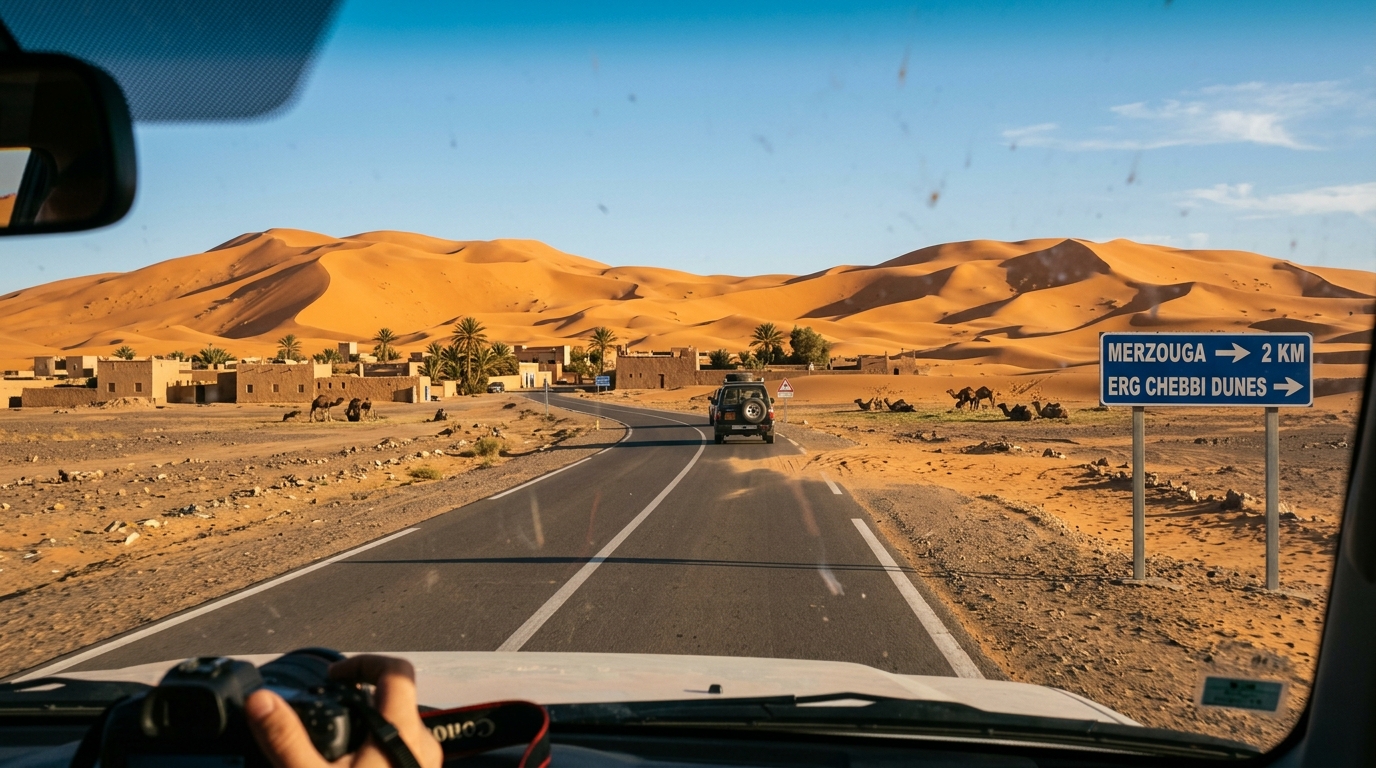
Eventually, you will approach Merzouga.The sight of the Erg Chebbi dunes signals that you have reached one of the most anticipated destinations on this 10-Day Morocco Desert Itinerary.The landscape here is completely different from everything experienced during the previous days.
Sunset Camel Trek in Erg Chebbi
In the late afternoon, prepare for a camel trek into the dunes.Your desert guide will lead the caravan away from the village and into the sand.As you move deeper into Erg Chebbi, the surrounding sounds gradually disappear.The changing evening light can transform the dunes from pale gold to deeper orange tones.Depending on the schedule, there may be an opportunity to stop on a dune and watch the sunset before continuing toward camp.
Night in a Merzouga Desert Camp
Arrive at your desert camp and settle into your tent.Accommodation standards vary significantly between camps. Some provide simple traditional facilities, while luxury desert camps may offer private bathrooms, larger beds, upgraded dining, and additional amenities.Therefore, travelers booking Morocco Desert Tours should always check exactly what their chosen camp includes.After dinner, enjoy the desert atmosphere.Many camps organize traditional music around a fire when conditions permit.However, one of the simplest pleasures is stepping away from the camp lights and looking at the night sky.
What to Bring to the Desert Camp
Pack a small overnight bag containing:
Comfortable clothesWarm layersClosed shoes or sandalsSunscreenSunglassesPersonal toiletriesCameraPortable chargerWaterA lightweight scarf
Desert temperatures can change considerably between day and night, so layers are useful.Spend the night in Merzouga.
Day 6: Explore Merzouga and the Sahara Region
Do not rush away from Merzouga after one night.Spending another day in the region allows you to discover that the Sahara experience extends far beyond camel trekking.
Watch the Sahara Sunrise
Wake before sunrise if conditions allow.Find a quiet viewpoint near the dunes and watch the first sunlight gradually illuminate Erg Chebbi.Afterward, return for breakfast.Depending on your accommodation and itinerary, you may leave camp by camel or 4×4.
Explore the Desert by 4×4
A 4×4 excursion offers an opportunity to explore the landscapes surrounding the dunes.The region contains rocky desert, small villages, seasonal natural features, and communities with deep connections to Saharan culture.
Visit Khamlia
Khamlia is particularly known for Gnawa musical traditions.A visit can include a performance and an introduction to the musical heritage of the community.Instead of treating the experience simply as entertainment, take time to listen to the explanations surrounding the music and its cultural significance.
Seasonal Desert Landscapes
Depending on recent rainfall and seasonal conditions, areas around Merzouga can look very different from one visit to another.Seasonal lakes may occasionally contain water and attract birdlife.However, travelers should not assume these conditions will always be present.
Learn About Nomadic Traditions
Some organized excursions include respectful encounters with nomadic families living in the wider desert region.When arranged responsibly, such visits can offer insight into local traditions and the challenges of life in an arid environment.Cultural encounters should always prioritize respect rather than treating communities as tourist displays.
Optional Desert Activities
Depending on your preferences and tour arrangements, additional activities may include:
SandboardingDesert walksPhotography4x4 excursionsRelaxing near the dunesVisiting nearby villagesWatching sunset from Erg Chebbi
Travelers interested in Morocco photography tours will find sunrise and sunset especially rewarding because the changing light creates strong patterns of shadow across the dunes.Spend your second night in the Merzouga region, either at a desert camp or a hotel near the dunes.
Day 7: Merzouga to Todra Gorge and the Dades Valley
After breakfast, leave Merzouga and travel west.Although the Sahara portion of the trip is ending, several dramatic landscapes still remain ahead.
Stop in Rissani
Rissani is an important historic town in the Tafilalt region.The local market is particularly interesting when operating at full capacity, attracting people from surrounding communities.Market activity varies according to the day, so check the current schedule if visiting the souk is important to you.Rissani is also associated with madfouna, a stuffed local bread sometimes compared to a Moroccan pizza.Trying regional food is an excellent way to add another dimension to the journey.
Continue toward Tinghir
From Rissani, travel toward Tinghir.The landscape changes once again as palm groves and rocky mountains appear.Tinghir serves as the gateway to one of southern Morocco’s best-known natural attractions: Todra Gorge.
Walk Through Todra Gorge
The towering rock walls of Todra Gorge create an impressive natural corridor.Stop and walk through the gorge rather than simply viewing it from the vehicle.The scale of the cliffs becomes much more apparent when standing below them.Rock climbing is also popular in the wider area.However, even travelers who are not interested in climbing can enjoy a short walk and the scenery.
Drive toward the Dades Valley
Continue toward the Dades Valley.The region is known for unusual rock formations, traditional villages, kasbahs, and winding mountain roads.One particularly recognizable landscape is often called the “Monkey Fingers” because of the shape of the eroded rock formations.
Dades Valley Viewpoints
If daylight permits, continue toward some of the valley’s panoramic viewpoints.The winding road surrounded by rugged mountains is one of the most photographed drives in the region.Finish the day at a local hotel or guesthouse.Spend the night in the Dades Valley.
Day 8: Dades Valley to Ouarzazate and Ait Benhaddou
Day eight continues through the landscapes between the desert and the High Atlas Mountains.This region is famous for kasbahs, palm groves, valleys, and film locations.
Valley of the Roses
Leave the Dades area and continue toward Kelaat M’Gouna and the Valley of the Roses.Rose cultivation forms an important part of the local economy.Products made from roses are sold throughout the region, including rose water and cosmetic products.The appearance of the valley varies according to the season, so visitors should not expect flowering roses throughout the year.
Travel through Skoura
Continue toward the Skoura oasis.Palm groves and traditional earthen architecture characterize the area.Kasbah Amridil is among the best-known historic structures associated with Skoura and can be included depending on your schedule.
Ouarzazate
Next, arrive in Ouarzazate.The city has become strongly associated with Morocco’s film industry because of the studios and dramatic landscapes surrounding it.Film enthusiasts may choose to include a studio visit.However, one of the most important cultural stops of the day lies farther along the route.
Explore Ait Benhaddou
Ait Benhaddou is one of Morocco’s most recognizable fortified settlements.Its earthen architecture rises above the surrounding landscape and represents a remarkable example of traditional building techniques found in southern Morocco.The ksar is also part of Morocco’s UNESCO-listed heritage.Walk through the settlement and climb gradually toward the higher viewpoints.Along the way, narrow passages reveal traditional structures and broad views of the surrounding valley.Ait Benhaddou has also appeared in numerous international film and television productions, adding another layer of interest for visitors.
Sunset Photography
Late afternoon light can be particularly attractive at Ait Benhaddou.As the sun lowers, the earthen walls take on warmer colors.Consequently, the location is especially popular with photographers.Spend the night in Ouarzazate or near Ait Benhaddou.
Day 9: Ait Benhaddou to Marrakech through the High Atlas Mountains
Today, you leave the landscapes of southern Morocco and cross the High Atlas Mountains.The journey itself is one of the highlights.
Cross the High Atlas
The mountain road passes through changing elevations, remote settlements, valleys, and panoramic viewpoints.Weather conditions can change in mountainous areas, particularly during colder months.Therefore, always allow enough time for the crossing and follow current road conditions.
Tizi n’Tichka
The route crosses the Tizi n’Tichka area before descending toward Marrakech.Stop at safe viewpoints when possible to appreciate the surrounding peaks and valleys.Some itineraries also include visits to local cooperatives or roadside shops along the route.There is no need to rush this section of the journey.The High Atlas forms an important geographical transition between southeastern Morocco and the plains surrounding Marrakech.
Arrival in Marrakech
Eventually, the mountains begin to disappear behind you and Marrakech comes into view.Check into your riad or hotel before beginning your first exploration of the city.
Evening at Jemaa el-Fnaa
Head toward Jemaa el-Fnaa in the late afternoon.The square is one of Marrakech’s best-known public spaces.Its atmosphere changes considerably throughout the day.As evening approaches, food stalls, performers, musicians, and crowds transform the area into an energetic gathering place.A rooftop terrace can provide a useful introduction because you can observe the entire square before entering the crowds below.Afterward, explore some of the nearby Medina streets and enjoy dinner.Spend the night in Marrakech.
Day 10: Explore Marrakech and Departure
Your final day is dedicated to Marrakech.Depending on your flight schedule, choose a combination of gardens, palaces, souks, and historic monuments.
Majorelle Garden
Start early with the Majorelle Garden if it is part of your plans.The garden is known for its distinctive architecture, bold colors, cactus collections, bamboo, and landscaped paths.Because it is one of Marrakech’s most popular attractions, booking arrangements should be checked in advance.
Bahia Palace
Continue toward the historic Medina and visit Bahia Palace.The complex provides another opportunity to appreciate traditional Moroccan decorative arts.Courtyards, carved wood, painted ceilings, plaster decoration, and zellij contribute to its architectural character.Take your time moving through the different spaces.
Koutoubia Mosque
Nearby stands the Koutoubia Mosque, one of Marrakech’s most recognizable landmarks.Non-Muslim visitors should respect access restrictions to religious spaces, but the mosque and its minaret can be appreciated from the surrounding public areas.
Explore the Marrakech Souks
Spend part of your final day exploring the souks.You will find an enormous variety of products, including:
CarpetsLeather bagsCeramicsLanternsJewelrySpicesClothingWoodworkDecorative objects
Shopping in the souks is part of the Marrakech experience.However, compare quality and prices before making larger purchases.Negotiation is common in many traditional shops, so approach the process with patience and good humor.
Departure from Marrakech
If your flight leaves from Marrakech, arrange transportation to Marrakech Menara Airport with sufficient time for airport procedures.If your return flight is from Casablanca, you will need to continue from Marrakech to Casablanca.Always plan this connection according to your actual flight departure time rather than relying on approximate travel estimates.Your 10-Day Morocco Desert Itinerary ends here after crossing some of the country’s most fascinating regions.
Best Time for a Casablanca to Merzouga Desert Tour
Choosing the right season can significantly affect your experience.Morocco has varied climates, and conditions in Casablanca can be very different from those in the Atlas Mountains or Merzouga.
Spring
Spring is a popular period for Morocco Desert Tours.Temperatures are often more comfortable for sightseeing than during the hottest summer periods, while landscapes in some regions can appear greener.It is also a pleasant season for walking through cities and valleys.
Autumn
Autumn is another popular choice.As the most intense summer heat begins to ease, desert travel can become more comfortable.The combination of warm days and cooler evenings can work well for travelers planning a broad itinerary.
Winter
Winter travel is possible and can be very enjoyable.However, travelers should prepare for cold nights in the desert and lower temperatures in mountainous areas.Warm clothing is essential.Weather can also affect mountain travel, so check current conditions during the trip.
Summer
Summer can bring intense heat to southern and desert regions.If traveling during this period, activities should be planned carefully, with particular attention to hydration, sun protection, and avoiding strenuous activity during the hottest part of the day.
How to Travel from Casablanca to Merzouga
There are several ways to organize this itinerary.The best option depends on your budget, preferred travel style, and how much flexibility you want.
Private Morocco Tour
For travelers who value convenience, Morocco Private Tours can simplify the journey considerably.A private driver means you do not need to coordinate separate transport between each destination.Furthermore, you can stop at viewpoints and smaller destinations that may be difficult to reach efficiently using public transportation.Private tours can be particularly useful for families, couples, groups, photographers, and travelers with limited time.