English


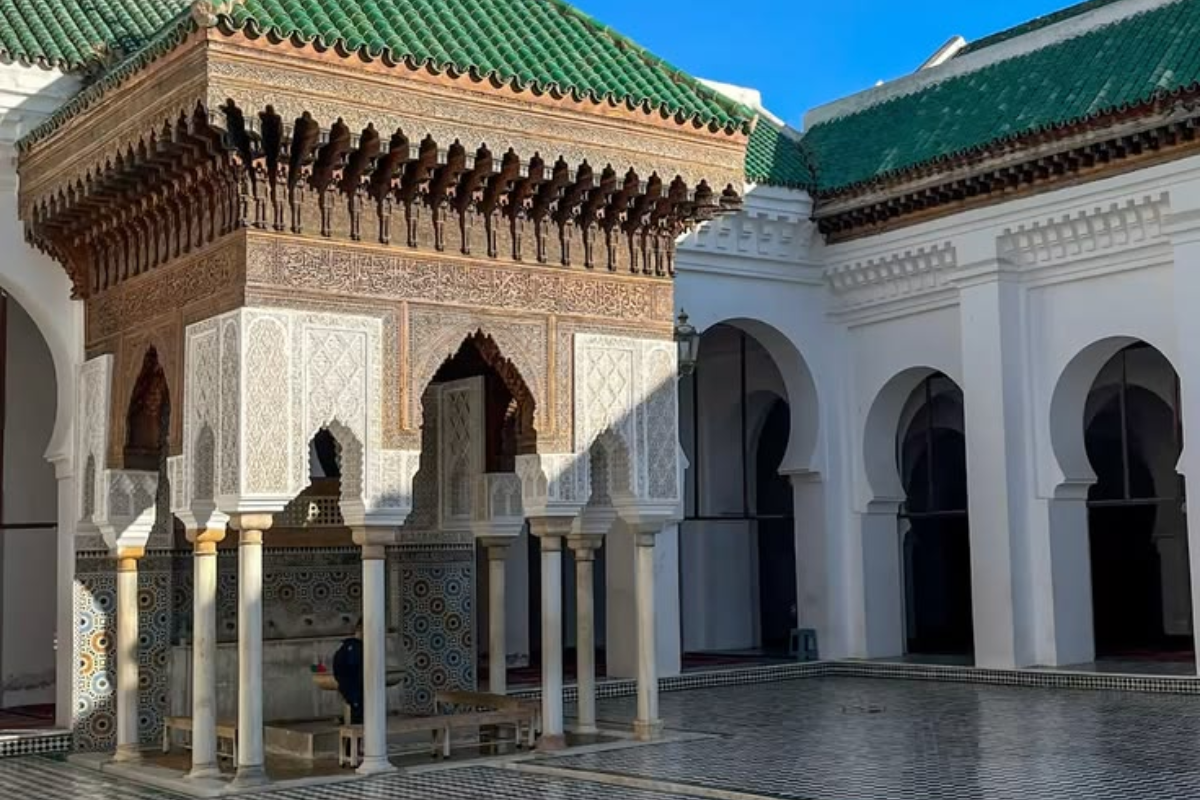
Morocco feels instantly vivid, even before you understand its rhythm.. A well-designed tour operator in Morocco can bring that first impression to life by connecting you with the country’s history, landscapes, and everyday moments in a smooth, well-paced itinerary. From Atlantic beaches to Sahara dunes, and from ancient medinas to mountain valleys,The country offers a rare mix of experiences that appeals to curious, culture-driven travelers.
Moreover, Morocco sits at a crossroads of Europe, the Middle East, and Africa, which makes its identity feel layered and beautifully diverse.You might spend a morning under palm trees near the coast. Days later, you could find yourself surrounded by ochre kasbahs, mountain peaks, or historic cities filled with artisans and spices. As a result, Morocco is perfect for travelers who want contrast, depth, and memorable sensory details in one trip.
Why Choose Morocco for Your Next Holiday?
Morocco offers variety in a way few destinations can match, so it works equally well for first-time visitors and experienced travelers. You can explore imperial cities, desert landscapes, and coastal towns in one trip. This makes route planning flexible and rewarding.This makes a Morocco holiday feel like several trips in one, especially when your itinerary balances culture, nature, and downtime.
At the same time, Morocco rewards travelers who want atmosphere as much as sightseeing. You will notice intense color palettes—blue-washed streets, red-earth kasbahs, golden dunes—along with bold aromas from spice stalls and smoky grills in local markets. Travelers who enjoy engaging and energetic experiences often want to return to Morocco.
What Does a Tour Operator in Morocco Actually Do?
A professional tour operator in Morocco handles the details that make a trip feel effortless, even when the destination is complex. That includes building the route, arranging hotels and transport, scheduling local guides, and creating a pace that fits your travel style. In addition, a strong operator helps you avoid common planning mistakes, such as underestimating travel times between regions or missing the best times of day for key sites.
Just as importantly, a local operator adds context that turns a “nice photo stop” into a meaningful experience. Instead of simply passing through a medina or kasbah, you learn what you are seeing and why it matters. As a result, you gain a deeper appreciation of Moroccan life—its architecture, traditional crafts, traditions, and regional differences—without feeling rushed or overwhelmed.
Morocco’s Crossroads Identity: Europe, Africa, and the Middle East in One Country
Morocco’s culture reflects centuries of migration, trade, and influence. You can see Arab, Amazigh, African, Andalusian, and European heritage across the country.This blend appears in music, cuisine, language, clothing, and architectural details, often within the same neighborhood. Consequently, every city feels distinct, even though it remains unmistakably Moroccan.
Furthermore, this crossroads identity shapes how Morocco feels as a travel destination: familiar in some ways, surprising in others. You may recognize Mediterranean flavors on the coast, then discover Saharan traditions farther south, and later encounter Andalusian touches in northern cities. Therefore, Morocco is ideal for travelers who want cultural variety while staying within one coherent itinerary.
First Impressions: Color, Aroma, and Energy You Don’t Forget
Morocco hits you with rich sights and smells almost immediately, especially if you arrive in a major city and head into the old quarters. The color contrasts can feel intense. You see bright textiles, glazed tiles, and painted woodwork while the streets fill with sounds and movement.In short, the destination feels alive, not staged, which makes it easy to fall in love quickly.
In addition, Morocco’s aromas and flavors create powerful travel memories. Spices stack high in souks, bread bakes in neighborhood ovens, and mint tea appears again and again as a symbol of welcome. As a result, even ordinary moments—walking to dinner, browsing a small shop, pausing in a courtyard—can feel like part of the experience you came for.
Exploring Moroccan Medinas: The Heart of the Experience
The medina is where Morocco often feels most iconic, because it concentrates daily life, commerce, and craft into a dense, walkable maze. When you explore medinas with a knowledgeable guide, you understand how they function beyond the postcard images. Consequently, you navigate with more confidence, discover hidden courtyards, and learn how artisans keep traditional skills alive.
At the same time, medinas can feel intense for first-time visitors, especially in busy cities. A well-planned tour helps you experience the energy while staying comfortable and oriented. Therefore, you can enjoy the markets, workshops, and historic gates without turning the day into a stressful guessing game.
Marrakech: Dazzling, Dramatic, and Always Moving
Marrakech is famous for its theatrical atmosphere, and it often becomes the emotional high point of a Morocco tour. The city’s energy comes from its street life, its sensory overload, and its constant blend of tradition and modern hospitality. As you move through the medina and main squares, you encounter performers, food stalls, and market scenes that change by the hour.
Meanwhile, Marrakech also offers calm and elegance when you step into riads, gardens, and historic palaces. This contrast—loud streets followed by quiet courtyards—creates a rhythm that makes the city unforgettable. For that reason, a tour operator in Morocco will usually schedule Marrakech with the right pacing, so you experience the excitement and still have time to breathe.

Tours from Marrakech:
2 Days In Desert M’hamid El Ghizlaine
3 Days Tour From Marrakech To Erge Chegaga
3 Days Tour From Marrakech To Fez
4 Days Trip From Marrakech To Desert Erg Chebbi
5 Days Marrakech entertiement & Sahara Tour
8 Days from Marrakech To Marrakech
13 Days From Marrakesh fairytale The trek to the desert and its history
Fez: Scholarly, Historic, and Deeply Authentic
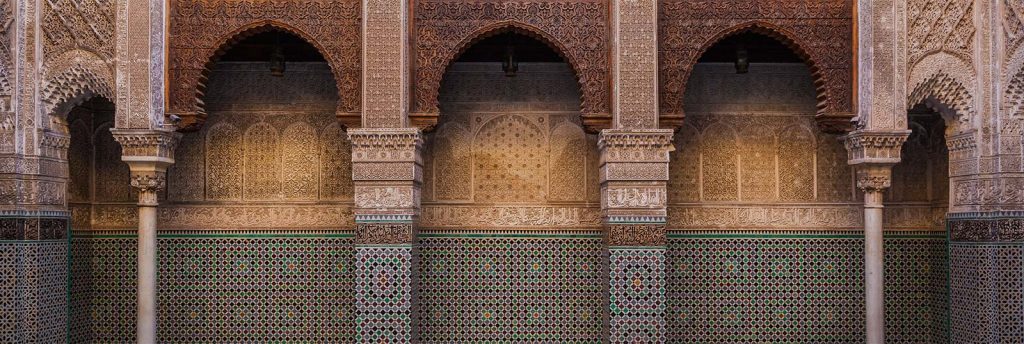
Fez feels like a living museum, yet it is also a functioning city where craft and tradition remain part of daily life. Many travelers visit Fez for its ancient medina, which is one of the largest in the world and famous for its artisan quarters. Consequently, exploring with a guide becomes especially valuable, because the city rewards context as much as curiosity.
In addition, Fez is ideal for travelers who want depth rather than just highlights. You can spend time learning about traditional craftsmanship, historic institutions, and the city’s role in Moroccan intellectual and cultural life. Therefore, Fez often appeals to visitors who want an experience that feels more local, less polished, and more historically rich.
Tours from Fez:
2 Days Tour From Fez To Merzouga & The Sahara Desert
3 Days Tour From Fes To Marrakech Through Desert Merzouga
4 Days Tour From Fes To Marrakech Via Erg Chebbi
5 Days Tour From Fez To Marrakech Through Desert Tour
6 Days Tour From Fez To Marrakech Sightseeing
7 Days From Fes Desert Tour To Marrakech Via Merzouga Desert
Chefchaouen: Morocco’s Blue City and a Photographer’s Dream
Chefchaouen stands out immediately because of its blue-painted streets, which create a dreamy, calming atmosphere. The city feels smaller and more relaxed than larger hubs, so it often works as a restorative stop between busier destinations. As a result, many Morocco itineraries include Chefchaouen to balance energy levels and add a different visual palette.
Moreover, Chefchaouen delivers memorable moments for travelers who love photography and slow exploration. You can wander without a strict agenda, discover stairways and doorways covered in shades of blue, and enjoy cafés with scenic viewpoints. Therefore, a tour operator in Morocco may schedule Chefchaouen as a lighter day where the goal is simply to enjoy the mood.
Rabat: Stately, Organized, and Underrated
Rabat offers a calmer, more refined pace compared to cities like Marrakech and Fez, yet it still carries historical depth and cultural interest. As Morocco’s capital, it blends administrative order with coastal scenery and heritage landmarks. Consequently, Rabat works well for travelers who want a break from intense medina navigation while still engaging with Moroccan history.
Additionally, Rabat often surprises visitors because it feels simultaneously modern and traditional. You can explore historic areas, then transition smoothly into contemporary neighborhoods and waterfront spaces. Therefore, adding Rabat to a Morocco holiday can strengthen the itinerary by creating variety in tone, architecture, and daily rhythm.
Tangier: Northern Morocco’s Gateway City
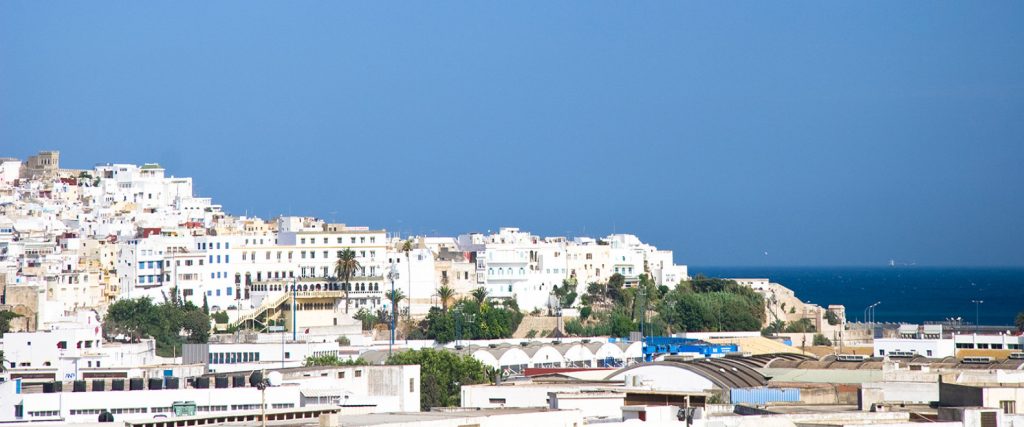
Tangier carries an international atmosphere because of its location near Europe and its long history as a crossroads city. This background gives Tangier a unique character—part Moroccan, part Mediterranean, and undeniably global in spirit. As a result, travelers often feel a different kind of energy here, especially when comparing it to imperial cities farther south.
At the same time, Tangier makes practical sense for many routes, particularly if you combine Morocco with Spain or other European stops. A skilled tour operator in Morocco can integrate Tangier efficiently, so you enjoy the city without losing valuable travel time. Therefore, Tangier becomes both a cultural experience and a practical gateway.
Tours from Tangier:
2 Days Tour Jewel of the Rif: Chefchaouen Discovery
7 Days tours from Tangier Imperial Wonders: Exploring Morocco’s Royal Cities
8 Days Tour Start From Tangier Authentic Atlas: Mountains, Valleys, and Berber Culture
11 Days Tour From Tangier Exotic Escapes: Discover Morocco
Tours Of The Imperial Cities, Desert & Kasbahs in 13 Days
Essaouira: Coastal Charm, Breezes, and Creative Energy
Essaouira feels relaxed and coastal, with a refreshing Atlantic breeze that changes the pace of a Morocco tour. The town’s scenery, seafood culture, and walkable layout make it easy to enjoy without rushing. Consequently, Essaouira often becomes a favorite stop for travelers who want a softer, slower side of Morocco.
Furthermore, Essaouira has a creative spirit that shows in its galleries, artisan shops, and casual café life. You can explore historic walls, watch fishing boats at the harbor, and enjoy sunsets that feel cinematic. Therefore, a well-balanced itinerary often includes Essaouira to add coastal variety and a more laid-back mood.
Aït Ben Haddou: The Red-Earth Kasbah That Feels Like a Legend
Aït Ben Haddou is one of Morocco’s most iconic kasbah sites. Its red tones create a dramatic contrast against the sky and surrounding landscape. The setting feels romantic and timeless, which explains why it has appeared in many films and photo collections. As a result, travelers often remember this stop as one of the most visually powerful moments of their trip.
In addition, Aït Ben Haddou offers more than a viewpoint—it tells a story about architecture, trade routes, and desert-edge life. When your tour operator in Morocco provides strong guidance here, the visit becomes richer and more respectful of the site’s cultural value. Therefore, this destination works best when you combine visual appreciation with historical context.
The Atlas Mountains: Valleys, Peaks, and Scenic Transitions
The Atlas Mountains add a completely different dimension to a Morocco itinerary, especially for travelers who crave nature and contrast. The scenery shifts from urban life to mountain roads, green valleys, and high viewpoints that feel far removed from the medinas. Consequently, the Atlas region helps you understand Morocco’s geographic diversity in a very direct way.
Moreover, mountain stops often create meaningful interactions and slower experiences. You might visit small communities, enjoy traditional meals, or take gentle walks with panoramic views. Therefore, including the Atlas Mountains in your Morocco holiday can turn the journey itself into a highlight, not just the major city stops.
Desert Morocco: From Golden Dunes to Star-Filled Silence
Many travelers dream of the Sahara, and Morocco delivers a desert experience that feels both cinematic and deeply calming. The landscape can shift from rocky plains to sweeping dunes. Photos rarely capture the full scale of this desert scenery. Consequently, the desert portion of a tour often becomes the most emotionally memorable segment of the itinerary.
At the same time, desert travel requires careful planning, because distances are long and comfort depends on timing and logistics. A reliable tour operator in Morocco organizes transport, selects quality desert camps, and sets expectations clearly. Therefore, you experience the magic—sunset light, quiet nights, open horizons—without unnecessary discomfort.
Beaches and Coastal Morocco: Beauty Beyond the Desert
Morocco’s coastline adds another layer to the country’s variety. You can enjoy beaches, seaside promenades, and coastal dining. While the desert and medinas often get the spotlight, coastal regions provide a different kind of enjoyment centered on weather, seafood, and open space. As a result, travelers who include the coast often feel their itinerary is more balanced.
Additionally, the coast can work as a strategic pause between cultural-heavy days. After several days of city exploration, a coastal stop helps you reset while still staying connected to Moroccan life. Therefore, a good Morocco tour package may include at least one coastal destination to give the journey a more complete rhythm.
Moroccan Food and Flavors: Spices, Tagines, and Mint Tea
Moroccan cuisine feels bold and comforting at the same time, which is why food becomes a major part of the travel experience. You encounter spice blends, slow-cooked tagines, grilled meats, fresh breads, and sweets that vary by region. Consequently, each destination adds a new flavor layer, making meals feel like part of the itinerary rather than a break from it.
Of course, mint tea appears everywhere, and it often becomes a small ritual that symbolizes Moroccan hospitality. Whether you drink it in a riad courtyard or after a market walk, it creates a pause that helps you absorb the day. Therefore, many travelers return home remembering not only the sights but also the taste and aroma of Morocco.
Art, Architecture, and Craftsmanship: Morocco’s Visual Language
Morocco’s artistry shows up in everyday objects and grand structures alike, from carved doorways and intricate arches to mosaic tilework and patterned textiles. These details feel mysterious and precise at the same time, which makes them endlessly interesting to observe. As a result, architecture and craftsmanship become a key reason people describe Morocco as “photogenic” and “immersive.”
In addition, artisan traditions remain active in many cities, especially in medinas where craft districts still operate daily. A tour operator in Morocco can connect you with respectful, authentic craft experiences rather than rushed shopping stops. Therefore, you can appreciate the skill behind the beauty while supporting local work in a more meaningful way.
Suggested 10–12 Day Morocco Tour Itinerary (Example Structure)
A classic first-time itinerary blends cities, mountains, and desert. This gives you a chance to experience Morocco’s major contrasts. For example, you can begin with northern or coastal arrivals, explore one or two imperial cities, then head toward the Atlas and the desert for a dramatic landscape shift. Consequently, the journey feels progressive, with each step revealing a new “version” of Morocco.
After the desert, many itineraries return toward Marrakech or the coast to close the trip with comfort and style. This structure works well because it alternates intense cultural days with scenic transitions and rest moments. Therefore, if you want a well-rounded Morocco holiday, your operator can adapt this framework to match your pace, interests, and preferred accommodation level.
When to Visit Morocco: Seasons, Weather, and Planning
Morocco remains a year-round destination, but the best travel window depends on your route and comfort preferences. Generally, spring and autumn offer pleasant temperatures for city walking and desert touring, which makes them popular for guided tours Morocco. Consequently, these seasons often provide the best balance of warmth, clarity, and outdoor comfort.
However, summer can be very hot inland, especially in the south, while winter nights can feel surprisingly cold in the desert and mountains. A tour operator in Morocco helps you plan realistically by adjusting timing, selecting appropriate hotels, and building the day schedule around temperature patterns. Therefore, seasonal planning becomes a key factor in how enjoyable your itinerary feels.
Practical Travel Tips for a Smooth Morocco Holiday
Morocco feels more enjoyable when you arrive with basic cultural awareness and a flexible mindset. For example, medinas reward patience, and bargaining culture can feel unfamiliar at first. Consequently, travelers who approach the experience with curiosity rather than control tend to enjoy it more deeply.
In addition, simple preparation improves comfort—appropriate walking shoes, modest clothing options, and a plan for cash and small purchases. Your tour operator in Morocco can also guide you on etiquette, tipping habits, and how to handle busy market environments politely. Therefore, practical planning supports the freedom to relax and focus on the experience itself.
Choosing the Right Morocco Tour Package: Small Group vs Private Tours
Small group tours Morocco can feel social and efficient, particularly if you enjoy meeting other travelers and following a set itinerary. They often include guides, transport, and key inclusions that simplify decision-making. Consequently, small group touring works well for travelers who want structure, reliable pacing, and good value.
On the other hand, private tours Morocco offer maximum flexibility, which is ideal if you want a customized pace, special interests, or a more personal travel style. A quality tour operator in Morocco can tailor experiences around photography, food, heritage, nature, or luxury preferences. Therefore, the best choice depends on whether you prioritize community and convenience or privacy and customization.
What Makes a Morocco Tour “Sensational” (Beyond the Highlights)
A truly memorable tour does not rely only on famous sites; it also designs the in-between moments with intention. That includes scenic routes at the right time of day, calm spaces after busy markets, and authentic meals that match the region. Consequently, the trip feels cohesive rather than like a checklist of stops.
Moreover, sensational travel often comes from contrast—blue streets after desert reds, quiet courtyards after crowded souks, coastal breezes after mountain roads. A strong tour operator in Morocco builds these contrasts into the itinerary so your experience flows naturally. Therefore, you remember not just what you saw, but how the journey felt from day to day.
Responsible Travel in Morocco: Supporting Communities Respectfully
Responsible travel matters everywhere, but it feels especially important in destinations where cultural heritage and traditional work remain central. Travelers can support Morocco by choosing locally owned experiences, respecting photography boundaries, and approaching heritage sites thoughtfully. Consequently, responsible travel improves the experience for visitors and communities alike.
In addition, responsible operators help by using local guides, selecting ethical suppliers, and avoiding experiences that feel exploitative. A reliable tour operator in Morocco understands how to protect authenticity while still delivering comfort and quality. Therefore, choosing the right operator becomes part of traveling well, not just traveling easily.
FAQ: Tour Operator in Morocco (Quick Answers for Planning)
Many travelers ask how much time they need to “see Morocco,” and the truth depends on depth. Ten to twelve days can cover major highlights with a desert segment, while two weeks offers more breathing space and regional variety. Consequently, your itinerary should match your energy level, not just your wish list.
Another common question involves comfort and navigation, especially in medinas and long drives. A well-organized tour operator in Morocco reduces stress by managing transport, timing, and guide support, while also helping you understand local norms. Therefore, guided travel can be the easiest way to enjoy Morocco’s intensity without feeling overwhelmed.
Conclusion: Why Morocco Leaves Such a Strong Impression
Morocco delivers a rare concentration of color, culture, and nature, which explains why so many travelers leave with a new appreciation for its beautiful “chaos.” You arrive to vivid streets, powerful aromas, and a rhythm that feels different from home, and you quickly realize that Morocco does not try to be subtle. Consequently, the destination becomes emotional as well as visual, staying with you long after the trip ends.
In the end, you come for medinas and mountains, souks and kasbahs, beaches and desert—and you leave with memories shaped by contrast, hospitality, and discovery. If you want to experience that richness with less stress and better pacing, choosing the right tour operator in Morocco can make all the difference. Therefore, the best Morocco tours feel smooth, immersive, and truly unforgettable—mint tea included.