English


Street Photography in Morocco: The Ultimate 2026 Guide for Photographers, Travelers & Photography Tour Enthusiasts
Introduction: Discovering Morocco Through the Lens of a Camera
Morocco overwhelms the senses in the most beautiful way. From the moment you land, colors and scents surround you. Ancient traditions blend with vibrant streets and stunning architecture. Moreover, few places offer such rich cultural depth for photographers. You will love the bustling medinas and coastal landscapes. Islamic architecture also creates stunning geometric patterns everywhere. As a result, Morocco Photography Tours now rank among North Africa’s top experiences.
During my recent trip, I spent three weeks exploring the country. I visited Casablanca, Marrakech, Agadir, and the surf town of Taghazout. In fact, this was my first time in an Islamic country. The experience transformed both my photography and my worldview. Consequently, this Morocco Travel Guide shares everything you need. I’ll cover the best cities for street photography in Morocco. You’ll also learn about transportation, etiquette, safety, and Morocco Tour Packages.
Casablanca: Morocco’s Chaotic and Colorful Photography Playground
Casablanca is Morocco’s largest and most populated city. It sits proudly along the Atlantic coast in the northern region. As a bustling harbor city, it serves as Morocco’s main gateway. Travelers arrive through its international airport, ferries, and high-speed trains. Furthermore, most travelers begin their Tours from Casablanca here. For photographers, it offers an unforgettable introduction. No photo can fully capture the city’s raw, unfiltered energy.
Urbanistically, Casablanca is loud, chaotic, and full of construction sites. The city prepares for major international events later this decade. In other words, a huge transformation is coming soon. Meanwhile, the streets burst with color, culture, and diverse food. Rich business districts sit next to traditional medinas. Interestingly, you’ll even find clubs and bars here. This surprises many, since Morocco frowns on excessive consumption. As a result, Casablanca fits perfectly into urban-focused Custom Morocco Tours.
Street Life and Photography Opportunities in Casablanca
Naturally, Casablanca fascinates fans of street photography in Morocco. However, only curious travelers will fully enjoy it. Around every corner, working-class Moroccans go about daily life. You’ll spot bread vendors, shoe polishers, and fishermen returning home. In addition, the Atlantic sun creates dramatic natural lighting. French colonial buildings mix with Moorish architecture beautifully. Simple street scenes turn into compelling photographs. This is why many photographers now join a dedicated Casablanca Photography Tour.
However, one issue stands out immediately: noise and air pollution. Casablanca has no underground metro system, and it shows. Old cars, taxis, and motorcycles flood the streets daily. Traffic feels chaotic and loud most of the time. Adjusting takes a few days for most visitors. Nevertheless, the rewards are worth it. You’ll discover historical landmarks, diverse markets, and top gastronomy. Every day of exploration offers something new.
Must-See Photography Spots in Casablanca
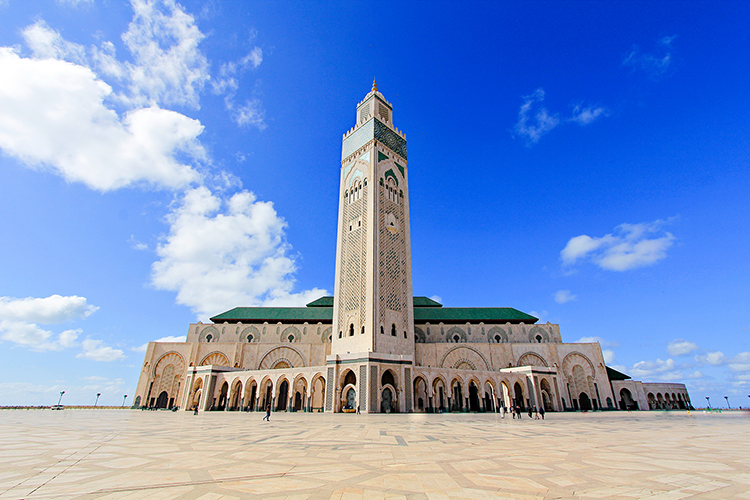
Without a doubt, the Hassan II Mosque crowns the city. It ranks among the largest mosques in the world. Its towering minaret rises 210 meters above the Atlantic Ocean. Non-Muslim visitors can explore the exterior freely. Intricate tilework, hand-carved stone, and the seaside setting stun every visitor. This makes it one of North Africa’s most photogenic buildings. Above all, sunrise and sunset offer the best light. Any expert guide from a top Travel Agency Morocco will confirm this.
Beyond the mosque, hidden gems fill the city. Visit the historic Habous Quarter and the colorful old medina. Walk the Corniche seaside boulevard for open views. Don’t miss the Art Deco buildings downtown. Casablanca also features Christian churches like the Sacred Heart Cathedral. These offer a fascinating contrast to Islamic architecture. Ultimately, every neighborhood tells a unique story. This makes Casablanca perfect for extended Morocco Holiday Packages.
Rabat: The Elegant and Regal Capital of Morocco
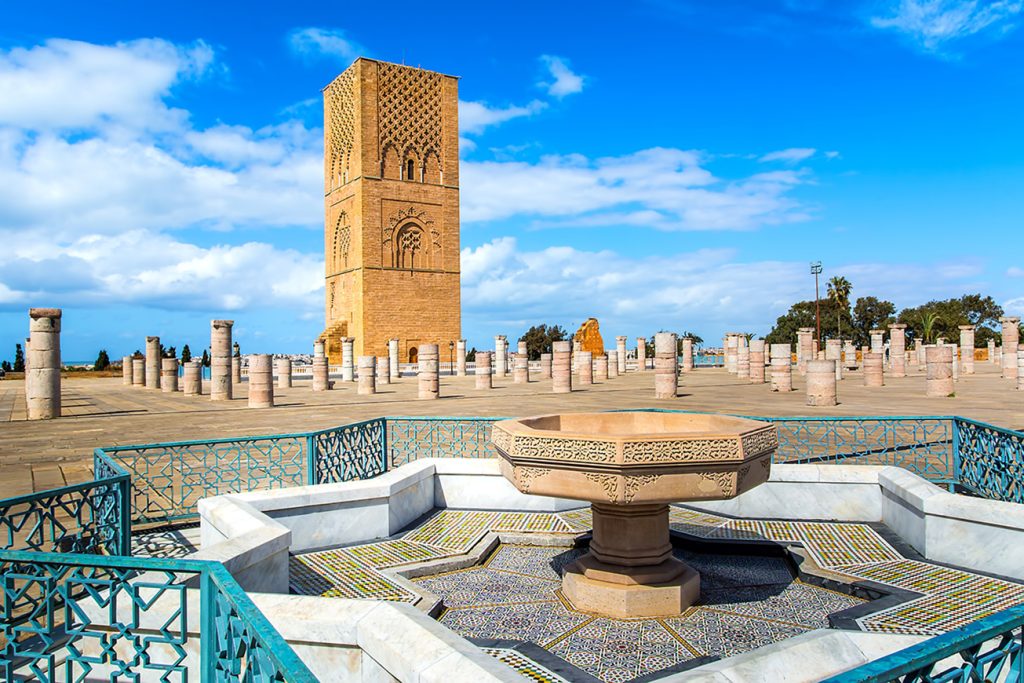
Rabat serves as Morocco’s official capital. Although smaller than Casablanca, it feels calmer and cleaner. Notably, the King and royal family live here. This gives Rabat a prestigious atmosphere throughout. Therefore, travelers who dislike chaos will love Rabat. It offers a perfect balance of culture and Western comfort. This makes it ideal for Luxury Morocco Tours clients.
The royal city stays well-organized and beautifully maintained. Wide boulevards, manicured parks, and smart urban planning define its style. As a result, Western tourists find it easy to navigate. However, younger locals share an interesting opinion. Many admit Rabat can’t match Casablanca’s raw energy. It also lacks Marrakesh’s mystical charm. Still, photographers who value peace will love it. This makes Rabat perfect for well-designed Morocco Private Tours.
Historical Landmarks and Photography Highlights in Rabat
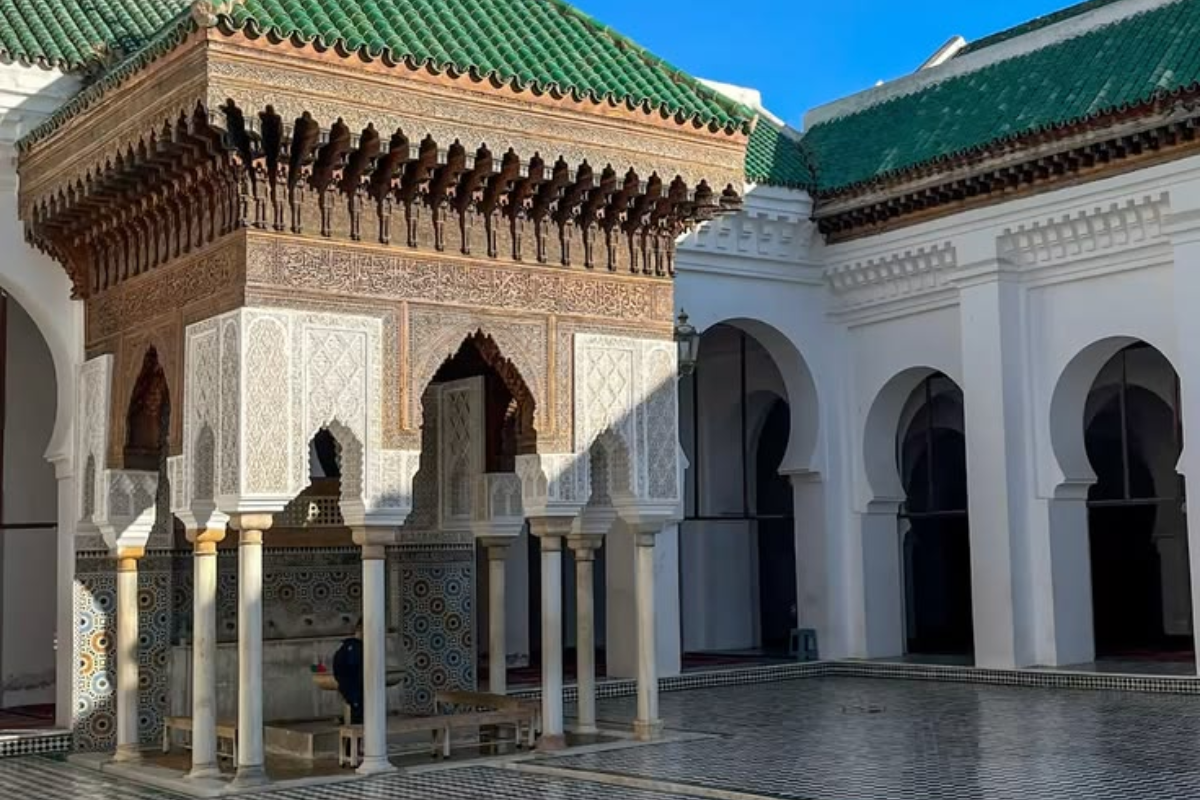
Photography-wise, Rabat truly delivers. First, visit the iconic Hassan Tower. This unfinished 12th-century minaret stands as a haunting monument. Nearby, explore the Mausoleum of Mohammed V. It features hand-carved cedar ceilings and marble floors. Intricate zellige tilework covers every surface. Photographers can spend hours documenting these details. Premium Morocco Photo Tours always highlight these spots.
Beyond history, visit the vibrant Kasbah of the Udayas. This blue-and-white walled fortress overlooks the Atlantic. Many compare it to the famous streets of Chefchaouen. Similarly, the ancient medina offers calm photo opportunities. You can capture daily life without vendor pressure. On top of that, modern spots add contemporary flair. Explore Rabat Beach, the Grand Theatre, and the Mohammed VI Tower.
Why Rabat Deserves a Spot on Your Photography Itinerary
Do you want an authentic and relaxing Moroccan city? Then choose Rabat over Casablanca and Marrakesh. The pace stays slower and locals feel approachable. In fact, daily life continues largely unaffected by tourism. As a result, candid photography flows naturally here. You can shoot portraits and document culture without pressure. This fits perfectly into smaller Morocco Day Trips.
Rabat also works beautifully for stock photography. The city offers diverse subjects across every neighborhood. Ancient architecture stands beside modern beaches and lively cafés. Furthermore, portfolio builders will find countless high-value shots. Green spaces, riversides, and coastal boulevards add variety. Your final gallery will feel professional and well-rounded.
Marrakesh: The Iconic Red City Battling Overtourism
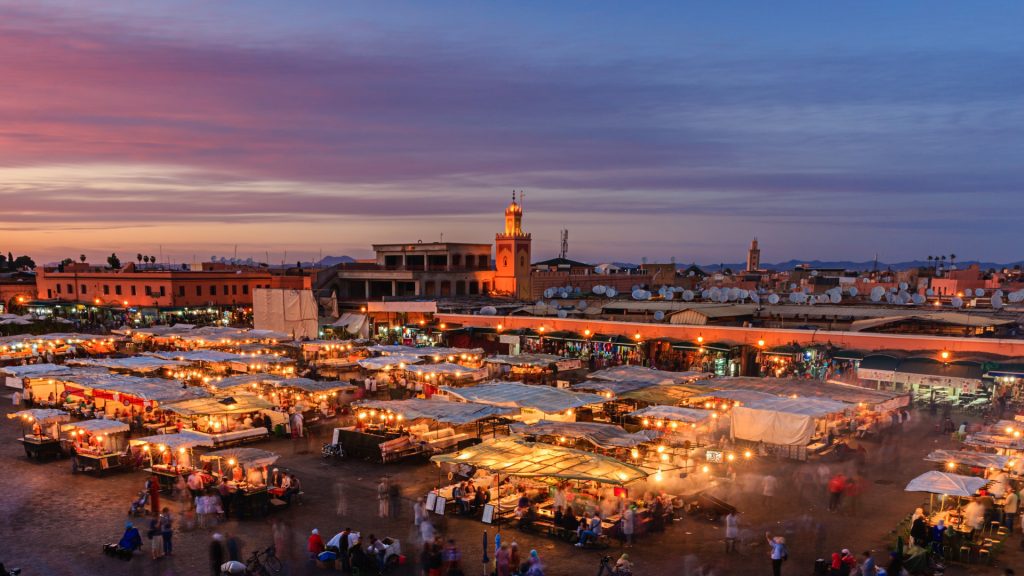
Marrakesh ranks as Morocco’s most famous city. It welcomed over four million tourists in 2024 alone. The Atlas Mountains rise to the east, with desert to the south. This legendary “Red City” has inspired filmmakers and writers for centuries. Undoubtedly, photographers love it here. Narrow alleys, glowing lanterns, and colorful spice markets fill every frame. This makes it ideal for a professional Marrakech Photography Tour.
The central medina and Jemaa el-Fnaa square form its beating heart. Snake charmers, storytellers, and henna artists gather daily. Food vendors and musicians add to the sensory overload. Thousands of shoppers weave through the chaos. Unfortunately, this same energy reveals my biggest issue. Overtourism has changed Marrakesh over the past decade. This especially affects areas featured in typical Tours from Marrakech.
Tour from Marrakech :
2 Days In Desert M’hamid El Ghizlaine
3 Days Tour From Marrakech To Erge Chegaga
3 Days Tour From Marrakech To Fez
4 Days Trip From Marrakech To Desert Erg Chebbi
5 Days Marrakech entertiement & Sahara Tour
8 Days from Marrakech To Marrakech
13 Days From Marrakesh fairytale The trek to the desert and its history
The Downsides: Overtourism and Ethical Concerns
To be honest, tourism dominates the inner city. Nearly every store, alley, and corner targets visitors. Hundreds of stalls sell almost identical goods. You’ll see leather bags, spices, lanterns, and rugs everywhere. Vendors know what sells to tourists. Nonetheless, authentic experiences still exist here. You just need effort to find them. Try lesser-known neighborhoods like Sidi Ghanem or the Mellah. Thoughtful Custom Morocco Tours now include these hidden gems.
Sadly, animal exploitation remains common in the square. You’ll see mistreated snakes, monkeys, and donkeys. Vendors and beggars can also feel aggressive at times. Wearing headphones and avoiding eye contact usually helps. As a photographer, ethics matter more than ever here. Refuse to photograph exploited animals. Always ask permission before capturing portraits. These principles guide every responsible traveler.
Why Marrakesh Is Still a Photographer’s Dream
That said, Marrakesh isn’t all frustration. On the contrary, the architecture feels truly magical. Visit the Bahia Palace and Ben Youssef Madrasa first. Don’t miss the Saadian Tombs either. Each spot showcases the best of Islamic craftsmanship. Soaring arches and mesmerizing tilework fill every room. Hidden courtyards catch soft, filtered light beautifully. Truly, these settings make photographers weep with joy. This is why Morocco Photography Tours always feature Marrakesh.
Photographically, every corner offers new discoveries. Textures, colors, and characters wait around each turn. Just remember to stay respectful with your camera. Don’t expect free photos from anyone. In fact, locals recognize the most popular tourist motifs. The water sellers and leather tanners know their value. They now charge photographers after being photographed. Consequently, always negotiate before shooting. Consider it fair trade for a beautiful image.
Beyond the Medina: Exploring Modern Marrakesh
Does the medina feel too intense? Then escape to the modern Gueliz district. French colonial buildings and art galleries dominate here. Stylish cafés offer a completely different photographic style. Similarly, don’t skip the Jardin Majorelle. Iconic cobalt-blue walls surround lush tropical vegetation. It remains one of Morocco’s most photographed spots. Arrive early to avoid crowds and catch the best light.
Just outside the city, breathtaking landscapes await. Visit the Palmeraie and the Atlas Mountains foothills. In addition, day trips open more creative doors. Explore Berber villages, waterfalls, and even Morocco Desert Tours. Combine street photography with landscape and cultural work. To sum up, Marrakesh feels intense but rewarding. The right Tour operator in Morocco helps you capture unforgettable images.
Fez and Tangier: Two Underrated Photography Powerhouses
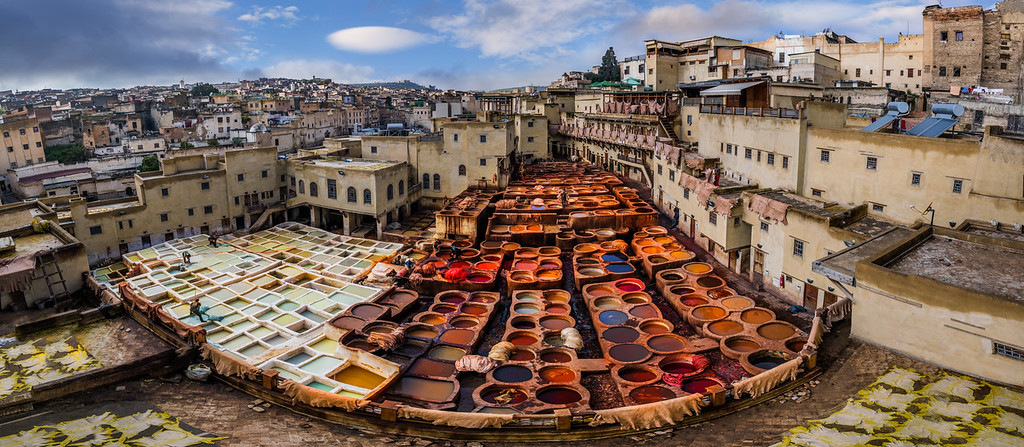
I focused mostly on Casablanca, Rabat, and Marrakesh. However, no complete Morocco Vacation Guide ignores Fez and Tangier. Many consider Fez the cultural capital of Morocco. Its ancient medina holds UNESCO World Heritage status. It is arguably the most photogenic medina in the country. Consequently, more travelers book Tours from Fez each year. A dedicated Fes Photography Tour captures its medieval charm perfectly.
Tour from Fes :
2 Days Tour From Fez To Merzouga & The Sahara Desert
3 Days Tour From Fes To Marrakech Through Desert Merzouga
4 Days Tour From Fes To Marrakech Via Erg Chebbi
5 Days Tour From Fez To Marrakech Through Desert Tour
6 Days Tour From Fez To Marrakech Sightseeing
7 Days From Fes Desert Tour To Marrakech Via Merzouga Desert
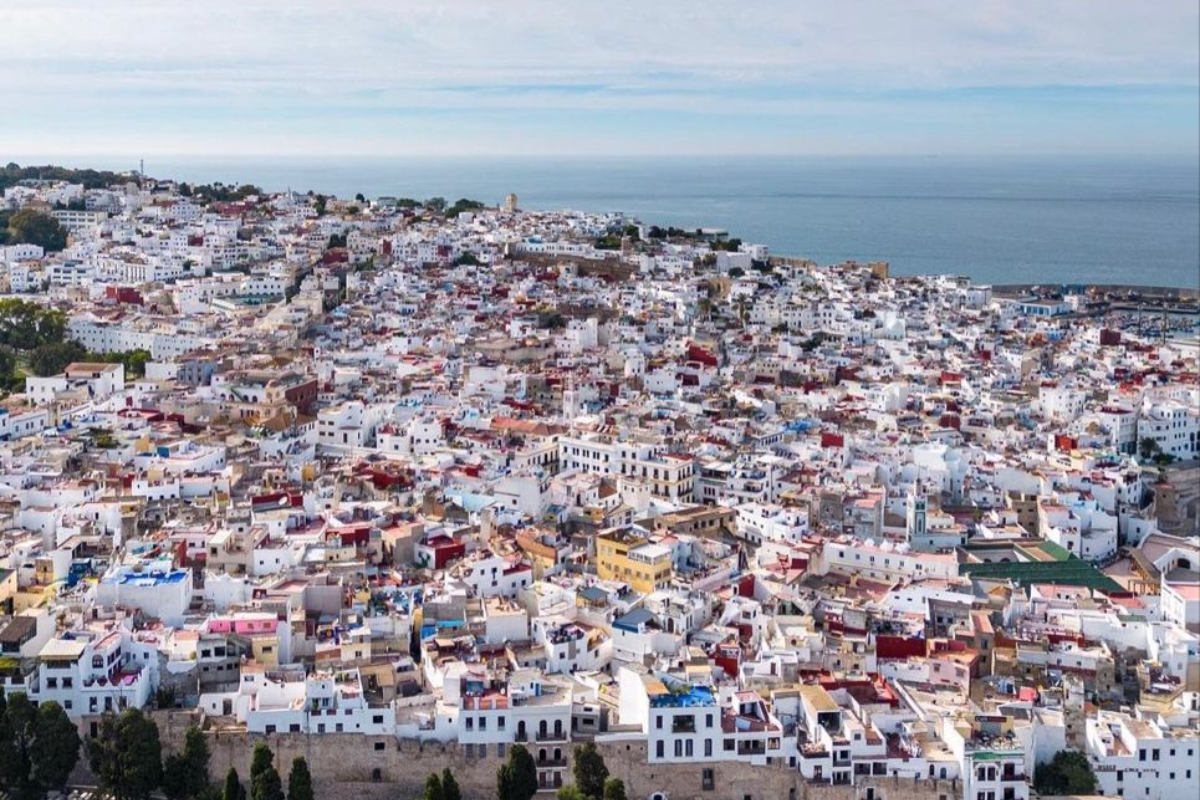
Tangier offers a completely different atmosphere. This port city sits at the crossroads of Africa and Europe. It overlooks the Strait of Gibraltar with stunning views. Spanish, French, and Arab influences blend beautifully here. Writers, artists, and photographers have loved it for over a century. As a result, Tours from Tangier grow more popular each season. A quality Tangier Photography Tour captures cliffside views and colorful kasbahs.
Tour from Tangier :
2 Days Tour Jewel of the Rif: Chefchaouen Discovery
7 Days tours from Tangier Imperial Wonders: Exploring Morocco’s Royal Cities
8 Days Tour Start From Tangier Authentic Atlas: Mountains, Valleys, and Berber Culture
11 Days Tour From Tangier Exotic Escapes: Discover Morocco
Tours Of The Imperial Cities, Desert & Kasbahs in 13 Days
Discovering Morocco’s Jewish Heritage
Morocco holds a rich Jewish heritage spanning over 2,000 years. Fez, Marrakesh, Essaouira, and Casablanca once housed thriving Jewish communities. Preserved synagogues and mellahs still stand today. Centuries-old cemeteries also mark this legacy. Therefore, Morocco Jewish Heritage experiences attract cultural travelers. Special Jewish Heritage Tours Morocco document this lesser-known Moroccan identity.
Do you want a broader Mediterranean journey? Then consider an 18 Day Portugal, Spain & Morocco itinerary. It connects centuries of shared history beautifully. Similarly, many photographers add focused Photo Tours in Marrakech, Fez, and Tangier. This builds a truly comprehensive visual story. Ultimately, these specialized tours offer more than photography. They offer perspective, connection, and understanding.
Essential Advice for Photographers Traveling to Morocco
Planning a Morocco Photography Tour? Then these tips will save you time and money. They will also prevent countless headaches. Morocco rewards travelers who prepare well. Understanding local customs matters as much as camera settings. Certainly, your transportation choices shape your shooting opportunities. Daily routines also affect what you capture.
Below, I break down the most practical categories. You’ll learn about transportation, taxis, and apps. Trains, buses, and location strategy also matter. Finally, cultural etiquette will guide your interactions. Are you a seasoned pro or a first-time traveler? Perhaps you’re a client of a full-service Morocco DMC. Either way, these tips maximize your Moroccan experience.
Getting Around Morocco: Transportation Tips for Photographers
Moroccan cities surprise most visitors with their walkability. Honestly, walking uncovers unexpected photography opportunities. My favorite shots came from getting lost in unknown neighborhoods. Random alleys reveal scenes you’d never plan to find. That said, longer distances require better transportation. Fortunately, public and private options remain widely available. Most also cost very little.
Rabat and Casablanca both offer modern tram lines. They stay inexpensive, clean, and efficient. Trams connect the most visited neighborhoods easily. Meanwhile, Google Maps works reliably in cities. However, business listings often stay outdated for years. You may arrive at a restaurant that closed long ago. Therefore, always check recent reviews first. Verify the establishment’s website before you plan a specific stop.
Taxi Tips for Foreign Photographers
Western tourists usually pay higher rates than locals. Typically, a taxi ride costs between $2 and $10. Distance and time of day affect the price. Most drivers don’t speak English fluently. Consequently, negotiate the price before entering the vehicle. Alternatively, ask your hotel to arrange the ride. I got a great airport rate this way. It saved nearly 40% off standard street prices.
Does negotiating sound too tiring? Then use ride-hailing apps with fixed prices. However, expect one small catch. These drivers avoid official taxi zones. App-based services still operate in a legal gray area. Personally, I used “InDrive” and “Careem” during my trip. Several alternatives also exist. In addition, the blog Blondie in Morocco helped me navigate these logistics.
Buses, Ferries, and High-Speed Trains
Don’t want to rent a car? Then trains and buses become your main options. Aggressive local driving makes renting stressful anyway. Fortunately, the Al Boraq high-speed train connects the major cities. It links Rabat, Casablanca, and Marrakesh comfortably. Tickets cost just €15 to €30 each way. Similarly, CTM and Supratours run buses to southern destinations. Their prices remain equally affordable.
Bring headphones or earplugs for every trip. Many passengers watch content out loud on phones. Conversations also flow loudly around you. In addition, ferries connect major cities and the Canary Islands. I skipped ferries since most run only during peak season. However, they add exciting options for longer regional trips.
Best Locations and Areas for Photography in Morocco
Nearly every Moroccan city features a medina. This old walled quarter always deserves a visit. Notably, medinas outside Marrakesh stay deeply local. Daily life, markets, and social gatherings fill these spaces. As a result, they offer perfect settings for candid shots. Architectural details and cultural stories abound everywhere. They show what modern Morocco truly looks like.
Personally, Agadir’s medinas impressed me most. Both the historical and modern versions stand out. The modern medina feels massive and rewarding. Artisanal crafts, hidden restaurants, and secret courtyards fill its walls. You’ll feel like everything exists somewhere inside. Meanwhile, Agadir’s coastal setting adds beach photography options. Marina scenes complement traditional urban work beautifully.
Landmarks Every Photographer Should Visit
Every Moroccan city offers iconic landmarks. Add each one to your shot list. Casablanca boasts the Hassan II Mosque and Christian churches. Rabat features the Hassan Tower and Kasbah of the Udayas. Royal historical sites also fill Rabat. Likewise, Marrakesh offers Jemaa el-Fnaa square and Bahia Palace. Add Jardin Majorelle and Ben Youssef Madrasa too. Any photography portfolio needs these locations.
Honestly, listing every spot proves impossible. At some point, I just used Google Maps. I searched top attractions and built walking routes. Interestingly, this often led to unusual neighborhoods. Tourists rarely visit these spots. However, they reveal unique, unposed photography scenes. Above all, getting lost intentionally captures the real Morocco.
Photography Laws, Privacy Rights, and Ethical Considerations
Important warning: Don’t bring a drone to Morocco. Customs officials strictly enforce this rule. They may confiscate your drone at worst. Some travelers even face deportation. Therefore, leave your drone at home. Skip the aerial shots no matter how tempting they seem. Desert and mountain views must wait for other trips.
Beyond drones, Morocco keeps photography laws fairly standard. However, avoid certain government buildings entirely. For example, never photograph the Casablanca police station. Breaking this rule brings serious consequences. As a general rule, skip military and government sites. Royal residences also stay off-limits. When unsure, simply ask a nearby officer first. Better safe than sorry with your shutter.
The Ethics of Street and Portrait Photography
Street and portrait photography benefits from local power imbalance. Most Moroccans lack the means to pursue copyright claims. Legal awareness also stays low here. Nevertheless, capability doesn’t equal permission. Fundamentally, ethical photography demands respect above legality. Moroccans now feel sensitive to disrespectful tourists. They dislike being treated as objects instead of people.
Unfortunately, many tourists shoot without permission. Locals now watch Western visitors with cameras closely. They may become upset when photographed without consent. Some also demand payment afterward. Therefore, always ask permission first. Don’t feel surprised when locals say no. This matters most when photographing women. Morocco’s Islamic culture makes this topic especially delicate.
Manners, Cultural Etiquette, and Safety Tips
Do you have European features or fair skin? Then expect curious stares. This happens most often in less touristy areas. Fortunately, most looks feel harmless and curious. A warm smile or nod usually confirms good intentions. Moroccans welcome respectful visitors naturally. Small gestures of politeness build lasting goodwill.
However, commercial zones follow different rules. Vendors actively try to sell you things there. In such places, avoid eye contact completely. Wear headphones whenever possible. Keep your guard firmly up. Vendors can feel extremely persistent. Even brief eye contact can spark a 20-minute pitch. Escaping gracefully then becomes very difficult.
Understanding Safety and Economic Awareness
Morocco handles crimes against tourists swiftly. This protects the country’s tourism reputation. However, remember your privileged position as a foreigner. You come from a wealthier country. Most Moroccans will never afford your lifestyle. Therefore, awareness matters beyond just safety. It reflects basic decency and cultural sensitivity. This makes you a better traveler overall.
For example, I walked through Casablanca’s second-hand medina one day. Then I made a conscious choice. I put my camera inside my backpack. I skipped street photography entirely that afternoon. Why? My gear likely cost more than a stall owner earns yearly. To be fair, this awareness applies beyond Morocco. However, it matters most where wealth disparity feels highly visible.
The Warmth and Loyalty of the Moroccan People
Generally speaking, Moroccans feel friendly, loyal, and caring. Once you make a Moroccan friend, expect strong loyalty. Their support and hospitality continue after brief acquaintance. Ever since my Moroccan trip, I’ve noticed something interesting. Westerners break promises much more casually. Moroccans keep their word with deep commitment. This value shapes their daily interactions.
Finally, respect the cultural rules of an Islamic country. Honor the five daily prayer times when they occur. Dress modestly when visiting mosques or religious sites. Consume alcohol only where locals accept it. In summary, these unwritten rules keep you safe. They also earn deep respect from locals. Respect opens doors to authentic experiences and better photography.
Morocco for Corporate Events, Weddings & MICE Photography
Beyond leisure travel, Morocco attracts corporate travelers too. Morocco MICE, Corporate Events Morocco, and Destination Weddings Morocco boom every year. Luxury desert camps offer unique venues. Grand palace venues in Marrakesh also impress guests. The country blends exotic charm with world-class hospitality. Therefore, professional photographers stay in high demand here. They capture private ceremonies and international business summits.
Planning an event with a top Morocco event planner? Consider event planning Marrakech for luxury weddings. Large-scale conference organization Casablanca projects also thrive. Conference organization Marrakech attracts global brands regularly. Similarly, established teams handle event planning Casablanca smoothly. Specialized providers manage luxury events Marrakech with precision. Every events agency Morocco works closely with photographers. Consequently, Morocco keeps gaining global recognition as a premium event destination.
Final Thoughts: Morocco Is Every Photographer’s Dream Destination
Morocco lives on powerful contrasts. It feels chaotic yet magical at once. Ancient traditions mix with rapid modernization daily. The country stays humble yet proud of its heritage. Each city offers unique visual gifts. Casablanca delivers raw, unfiltered energy. Rabat charms with regal elegance. Marrakesh overwhelms with sensory beauty. Agadir soothes with coastal calm. Every corner rewards street, architecture, and cultural photographers. This is why Morocco Tours Services and photography experiences grow yearly.
Approach Morocco with respect and curiosity. Bring patience and observe carefully. Then the country rewards you with unforgettable images. Personal stories will last a lifetime too. So pack your camera and open your heart. Prepare for one of your most rewarding photographic journeys. In the end, Morocco offers more than a destination. It transforms how you see the world through your lens.