English


Tours from Fez: 10 Essential Excursions, Custom Itineraries, Photography, Jewish Heritage & Morocco DMC EventsIntroduction: Why Tours from Fez Define Your Morocco Travel Guide
Introduction: Why Tours from Fez Define Your Morocco Travel Guide
Planning Morocco Tours? You’ll quickly see Fès is a strategic gateway. Tours from Fez unlock diverse regions. You can reach imperial medinas, Roman ruins, cedar forests, and the Sahara’s edge. All are within a single day’s drive. That makes Fez ideal for independent travelers and groups.
This Morocco Vacation Guide is built on independent exploration. We traveled anonymously. We paid every bill. We made our own choices. We navigated the mountain roads ourselves. So you receive real-world guidance, not marketing copy. You also get practical pricing, restoration warnings, and driving times. We tested everything ourselves.
This Morocco Travel Guide also compares regional hubs. You’ll see how Tours from Marrakech, Tours from Casablanca, and Tours from Tangier differ. This helps you decide where to base yourself. If you work with a travel agency morocco, use this guide as a benchmark. Check the itineraries and prices we list against their proposals. For example, we note the 70 MAD entry fee at Volubilis. We also recommend a dawn departure for Chefchaouen. Use these details to ensure transparency.
Our Three Favourite Excursions from Fez: The Must-See Tri
Before we dive into each site, consider anchoring your trip around three Morocco Day Trips. These capture the region’s history, nature, and spirit in equal measure.
First, the imperial trio of Meknès, Volubilis, and Moulay Idriss offers a complete cultural loop. You’ll see monumental architecture, Roman mosaics, and Islamic pilgrimage. This loop takes roughly ten hours of gentle exploration. Leave at dawn to catch Bab Mansour in soft morning light. You’ll beat mid-day heat and restoration crowds.
Second, Chefchaouen demands a full day. The three-hour-and-forty-five-minute drive from Fez rewards you with blue alleyways, waterfalls, and a perfect artistic atmosphere. We recommend an organized excursion for this one.
Third, Ifrane and Azrou offer a total change of scenery. You’ll find alpine chalets, ancient cedar forests, and wild Barbary macaques. This shows you that Morocco is not just desert and medina. It also has mountains, forests, and wildlife.
These three favorites form the backbone of any serious Morocco Tour Packages. They establish the cultural and geographic range of the region. The other seven destinations add more depth to that picture.
1. Meknès — The Imperial City and Its Monumental Gates
Morocco Tours often skip Meknès in favour of its famous siblings. Yet this imperial city delivers authenticity. The medina feels lived-in, not staged. Locals still outnumber tourists here. The pace of life respects centuries of tradition. The city sits about one hour from Fez via the A2 freeway. That makes it easy for families, solo travelers, and groups.
The experience starts at Bab Mansour. Builders completed this gate in 1732. Many call it one of Morocco’s most beautiful gateways. Its white marble columns and polychrome zellij create visual drama. The eight-meter arch demands wide-angle photography. But note the current rehabilitation plan. Parts of Bab Mansour may sit behind scaffolding. This is living heritage, not a frozen museum. So arrive early and explore Place El Hedim as the cafés open.
Proceed to the Dar Jamaï Museum. This hidden gem sits in a nineteenth-century palace. It houses interactive displays of traditional instruments. You’ll see wind, string, and percussion pieces. The lush courtyard offers a peaceful break.
The Mausoleum of Moulay Ismaïl remains open to all faiths. Inside, four Comtois clocks gifted by Louis XIV stand in the main room. Restoration may limit access. Still, the exterior architecture provides profound insight. The Royal Stables once held twelve thousand horses. Confirm access at the gate, as partial closures exist.
If you combine this with Volubilis and Moulay Idriss, leave before sunrise. That way you can enjoy the full loop comfortably. You also avoid the midday heat over open archaeological sites.

2. Volubilis — The UNESCO-Listed Roman Ruins Near Fez
Morocco Desert Tours often begin with a cultural introduction. No site teaches Roman history better than Volubilis. This forty-two-hectare estate spreads across a hillside. It resembles a vast open-air museum. Founded in the third century B.C., it served as capital of the Mauritanian Tingitana region. UNESCO added it to the World Heritage list in 1997. The site preserves mosaics, forums, and triumphal architecture with remarkable quality.
The arch of Emperor Caracalla remains nearly intact. The basilica ruins still stand proudly. You’ll see mosaic floors with vivid mythological scenes. Many visitors find the quality astonishing.
Logistics require careful planning. Entry costs 70 MAD for adults. Children under twelve pay 30 MAD. Summer hours run from 8:30 a.m. to 6:30 p.m. Winter hours end at 5:30 p.m. Bring sun protection because the site offers almost no shade. The Moroccan sun can become dangerous by midday. A local guide is highly recommended. Without one, the mosaics become beautiful but silent stones. With a guide, you understand daily Roman life in North Africa.
Travelers should note the narrow mountain road from Fez. It turns dangerous in wet weather. Visibility drops, and steep edges appear. An experienced driver is not a luxury. It is a safety necessity. You can book a private Morocco Private Tours driver or join an organized excursion.
The site pairs naturally with Moulay Idriss. That village sits only four kilometers away. You can transition from Roman engineering to Islamic pilgrimage in one afternoon. No need to return to Fez between stops.
3. Moulay Idriss Zerhoun — A Hilltop Pilgrimage Village
After Roman grandeur and imperial scale, Moulay Idriss Zerhoun offers serenity. The intimate atmosphere provides a necessary contrast. You will find this holy village perched on Mount Zerhoun. It sits about one hour from Fès. This place holds the tomb of Moulay Idriss I. He founded Morocco’s first Muslim dynasty. He was also a descendant of the Prophet. That explains the meditative feeling in every alley.
The mausoleum dominates the main square with its green-glazed roofs. Muslims can enter the interior. Non-Muslims may explore the exterior. Even outside, you can feel the spiritual presence. Late-afternoon light turns the tiles into glowing emerald. The cylindrical minaret stands as Morocco’s only round minaret. Green and white zellij decorate its surface. Photographers love this unique architecture.
The ascent to panoramic terraces takes about two hundred steps. You’ll see white houses clinging to the hillside. The view looks like a suspended village of dreams. Wear sturdy shoes because the alleyways are steep and narrow. They can also be slippery after rain.
Paid parking appears near Collège Idriss Ier. This lot sits a five-minute walk from the center. You can avoid navigating the tight lanes by car. We advise avoiding Fridays. That is the busiest pilgrimage day. Combine this visit with Volubilis to maximize your itinerary. You will avoid excessive driving time.
Tours From Fes :
2 Days Tour From Fez To Merzouga & The Sahara Desert
3 Days Tour From Fes To Marrakech Through Desert Merzouga
4 Days Tour From Fes To Marrakech Via Erg Chebbi
5 Days Tour From Fez To Marrakech Through Desert Tour
6 Days Tour From Fez To Marrakech Sightseeing
7 Days From Fes Desert Tour To Marrakech Via Merzouga Desert
4. Chefchaouen — The Blue Jewel of the Rif Mountains
No Morocco Tour Packages itinerary feels complete without Chefchaouen. This legendary blue city sits in the Rif Mountains. The question is not whether to include it. The question is how to manage the drive. The journey from Fez takes about three hours and forty-five minutes. We strongly recommend an organized excursion. You can rest during the winding mountain drive. The driver handles navigation and stress.
You will notice the blue paint immediately. Locals say it repels insects and cools the air. Walking through the alleys feels like entering a watercolor dream. Every turn reveals a new shade of azure. White textiles and flowering balconies frame the scene. The atmosphere feels both tranquil and alive.
Begin at Place Outa El-Hammam. This vibrant square forms the heart of the old town. Cafés and markets create daily rhythm. Next, visit the fifteenth-century Kasbah. It houses an ethnographic museum. The terrace offers panoramic views over the blue city. The view spreads across the hills like a painted canvas.
The Ras El Ma spring provides a rare natural spectacle. Small waterfalls flow through the medina. The sound of moving water adds to the sensory experience. Markets sell Rifian carpets, spices, and natural cosmetics. You can support local artisans directly.
Bring change for paid parking at the entrance. The old town is inaccessible by car. Wear good shoes because the medina is hilly. Many steps challenge everyone, but the reward is worth it. For dining, try Restaurant El Cielo for a lush garden setting. Restaurant Morisco offers traditional dishes with square views. Both represent high-quality sustainable tourism choices.

5. Ifrane & Azrou — The Middle Atlas Between Cedar and Macaque
In contrast to the stone and heat of the imperial cities, Ifrane and Azrou deliver a complete ecological and architectural transformation that reminds travelers Morocco is also alpine, forested, and alive with wildlife. Furthermore, Ifrane—built during the French protectorate and nicknamed “Morocco’s Little Switzerland”—features slate roofs, chalet-style architecture, flower-filled parks, and a scenic lake that feels like a European mountain village transplanted to North Africa, complete with clean streets and a relaxed pace that families particularly appreciate.
Meanwhile, Azrou, roughly one hour and fifteen minutes from Fez, offers the famous cedar forests and the Gouraud Cedar, an eight-century-old tree standing in a clearing like a living cathedral of bark that dwarfs every visitor. Consequently, the Barbary macaques that gather roadside and in the branches provide unforgettable wildlife encounters, though they require careful behavior: do not feed them, guard your bags, phones, and hats, and maintain respectful distance because they have been known to grab belongings with surprising speed.
Additionally, plan stops at Immouzer Kandar, a small high-altitude resort with seasonal waterfalls, for lunch amid green landscapes that gradually unfold from urban to alpine. Nevertheless, winter travelers should note that heavy snow is common above certain elevations, making winter tires or a guided driver essential for safety. Thus, several organized tours combine Immouzer, Ifrane, and Azrou into one seamless day, allowing you to witness both alpine architecture and ancient wildlife without the stress of navigation or language barriers.
6. Moulay Yacoub — A Spa Getaway Thirty Minutes from Fez
Subsequently, after days of sensory intensity in the medina—where spice smoke, leather perfume, and the continuous rhythm of artisans fill every narrow alley—the spa village of Moulay Yacoub offers a restorative counterpoint that should not be underestimated. Furthermore, located just thirty minutes from Fez between rolling hills and olive groves, this historic village has been renowned for centuries for its hot sulfurous waters, drawing both local curists and international travelers seeking rejuvenation in a setting far removed from urban hustle.
In addition, the experience is accessible to families and to anyone seeking a cultural alternative to monuments; regardless of your fitness level, you can enjoy traditional thermal baths popular with residents or choose the modern spa complex with heated pools, professional massages, and full treatments in a comfortable setting that rivals luxury resorts elsewhere. Meanwhile, the natural setting—between hills and olive groves—provides a gentleness that makes the half-day feel like a gift rather than an obligation.
Consequently, we recommend pairing this with a morning visit to Fez’s medina: depart early, explore the souks, then drive to Moulay Yacoub for lunch and relaxation, returning to the city for a refreshed evening. Furthermore, for those wanting a fully catered experience, guided excursions include transport and spa packages, ensuring you spend zero mental energy on logistics and can focus entirely on healing waters that have drawn visitors for generations.
7. Séfrou & Bhalil — “Little Fez” and Troglodyte Houses
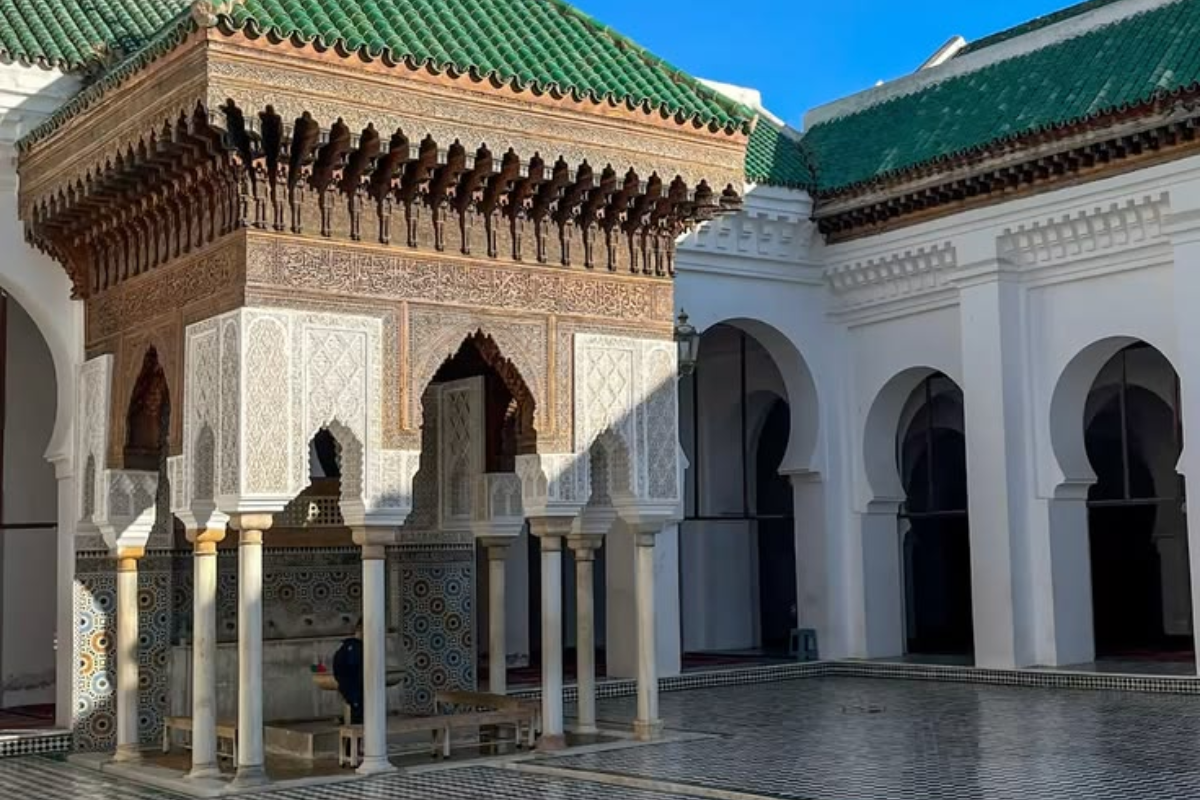
Just thirty to forty minutes south of Fès, Séfrou offers a quieter alternative. Locals call it “little Fez.” The medina remains authentic and free of mass tourism. The Aggaï wadi brings waterfalls directly into the historic center. This unusual combination of water and heritage delights visitors. Every June, the town hosts its famous Cherry Festival. Streets become colorful markets of fruit, craft, and music.
The medina reveals historic gates and modest tanneries. Artisans finish leather by hand. Time seems to move at its own pace. Séfrou appeals to travelers who have seen the major monuments. They now crave intimate discovery.
Nearby Bhalil delivers a surprising geological story. Troglodyte houses are carved directly into rock. These are not museum relics. Proud inhabitants maintain them as living dwellings. They preserve an ancient tradition with pride.
The contrast between Séfrou’s water-filled streets and Bhalil’s stone-carved architecture tells a rich story. We recommend allowing half a day for both villages. If you want more, combine them with Ifrane and Azrou. This creates an ambitious northern loop. Driving conditions remain generally pleasant. Even urban drivers can navigate this route with confidence.
8. Rabat — The Capital Between Ocean and Heritage
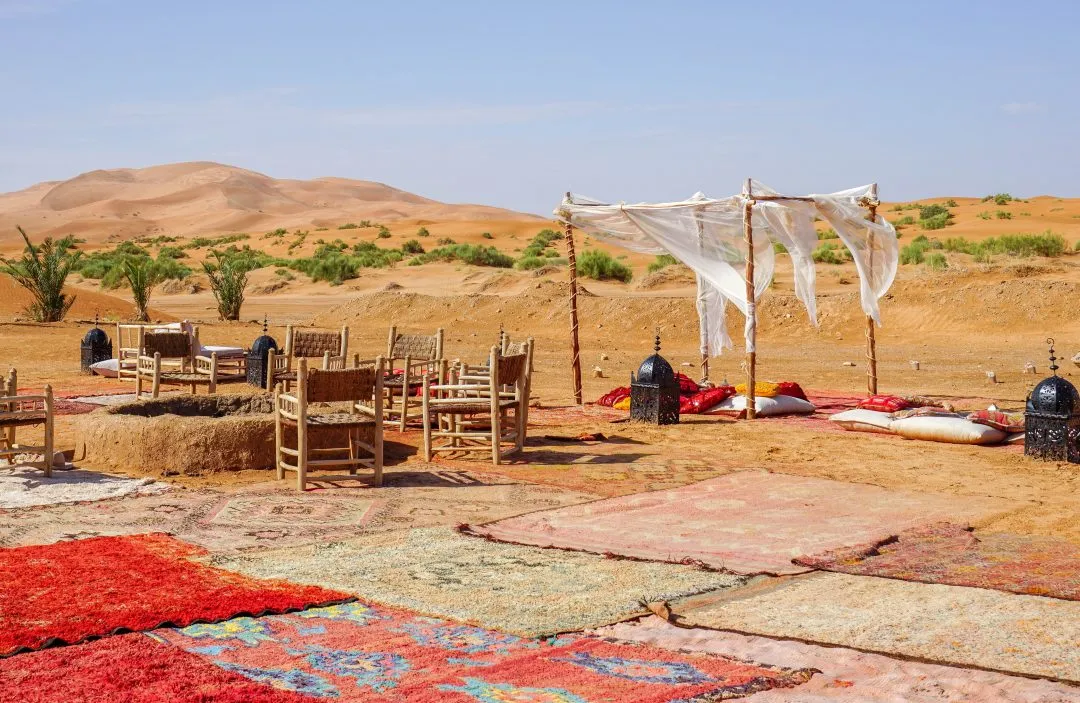
Fez sits far inland. Rabat, in contrast, lies on the Atlantic coast. The drive takes about two to two and a half hours via the A2 freeway. Rabat feels significantly less crowded than Fez or Marrakech. It blends heritage and modernity gracefully.
The Kasbah des Oudayas dates from the twelfth century. The Almoravids founded it. White and blue streets wind through the walls. Defensive ramparts overlook the Bouregreg river. An Andalusian garden feels like another continent. This serene spot offers a pause between monuments.
The monumental complex of the Hassan Tower and Mohammed V Mausoleum stands as a national icon. The tower is an unfinished twelfth-century minaret. Builders intended it to be the world’s tallest. Beside it, the elegant mausoleum holds King Mohammed V and his sons. The Royal Guard wears traditional uniform. Their presence turns every visit into a ceremony of respect.
The ancient Chellah offers a poetic experience. Roman ruins became a Merinid necropolis. Storks nest in ruined towers. Gardens bloom with unexpected color against gray stone. This creates a sensory contrast to the formal architecture.
The ONCF train from Fez provides a comfortable alternative to driving. A full day allows you to absorb the main sites without rushing. Bring identification for the Royal Palace gardens. Consider visiting on a weekday to avoid weekend crowds. Rabat works well as a standalone Morocco Travel Guide highlight. It also contrasts nicely with Tours from Casablanca.

9. Casablanca — The Cosmopolitan Metropolis and Its Hassan II Mosque
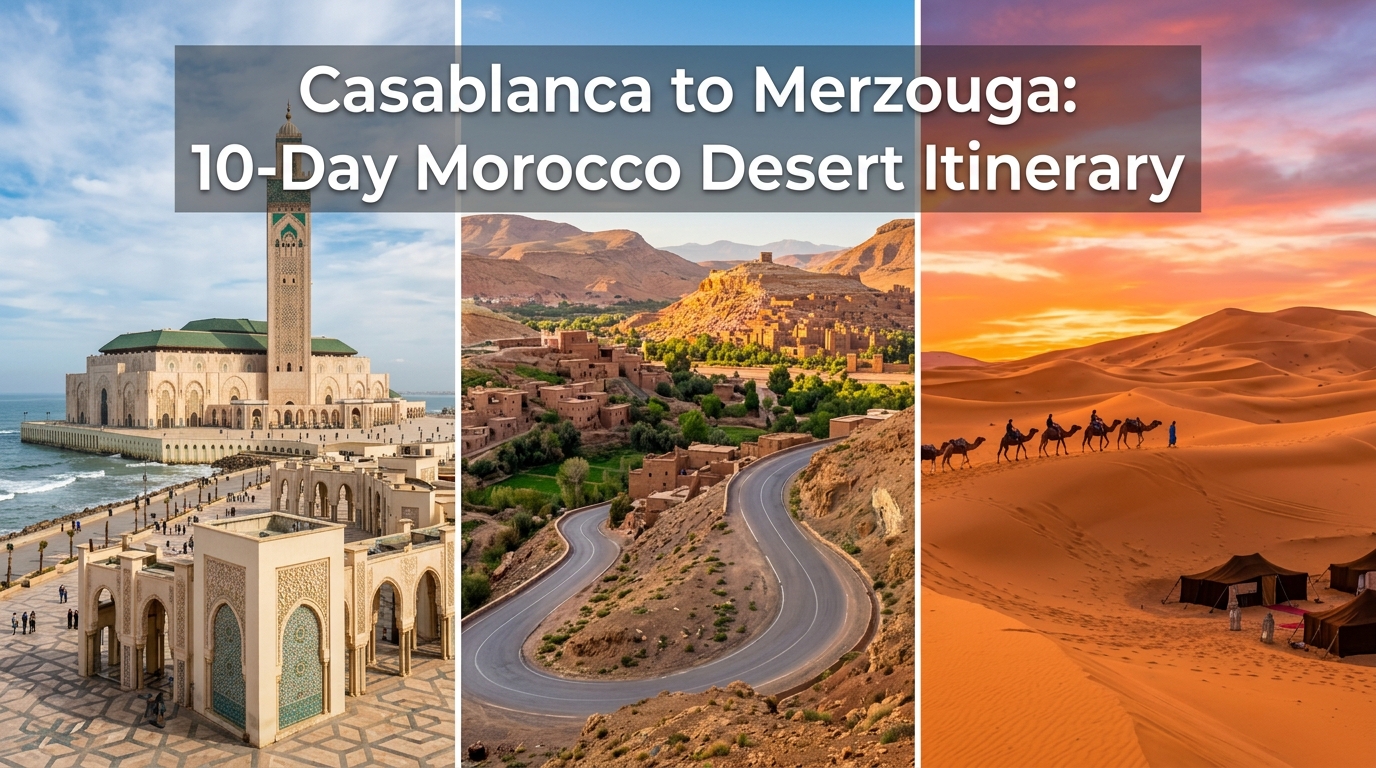
Casablanca is Morocco’s economic powerhouse. It feels worlds apart from the spiritual intensity of Fez. The drive takes about three and a half hours. The ONCF train takes four hours and fifteen minutes. This is a long journey, but the reward is real.
Casablanca shows you a different Morocco. Colonial Art Deco architecture defines the city center. Global commerce drives its energy. Atlantic winds shape its atmosphere. This is the modern face of the kingdom.
The undisputed highlight is the Hassan II Mosque. This is one of the few mosques in the world open to non-Muslims. Builders constructed it between 1987 and 1993. The minaret stands at 210 meters, the tallest in the world. Ten thousand Moroccan craftsmen used Agadir marble and Atlas cedar. They also created intricate zellige mosaics. Their collective labor shows in every corner.
The interior feels vast, luminous, and intricate. Advance booking is essential. High season slots fill quickly. Arrive early and reserve your guided entry. Respectful timing matters inside the mosque.
Beyond the mosque, explore the Habous District. This twentieth-century quarter features narrow streets and arcades. It feels like a traditional Moroccan city within a modern framework. Stop at the Bennis Habous patisserie for almond pastries. Place Mohammed V offers Art Deco facades that tell the story of modernization.
The Parc de la Ligue Arabe covers thirty hectares. It is one of Morocco’s most beautiful landscaped parks. Use it for a midday rest. We strongly recommend the train for this distance. It drops you in the city center comfortably. You avoid parking stress in a busy metropolis.
10. Midelt & The Ziz Gorges — A Step Toward the Desert
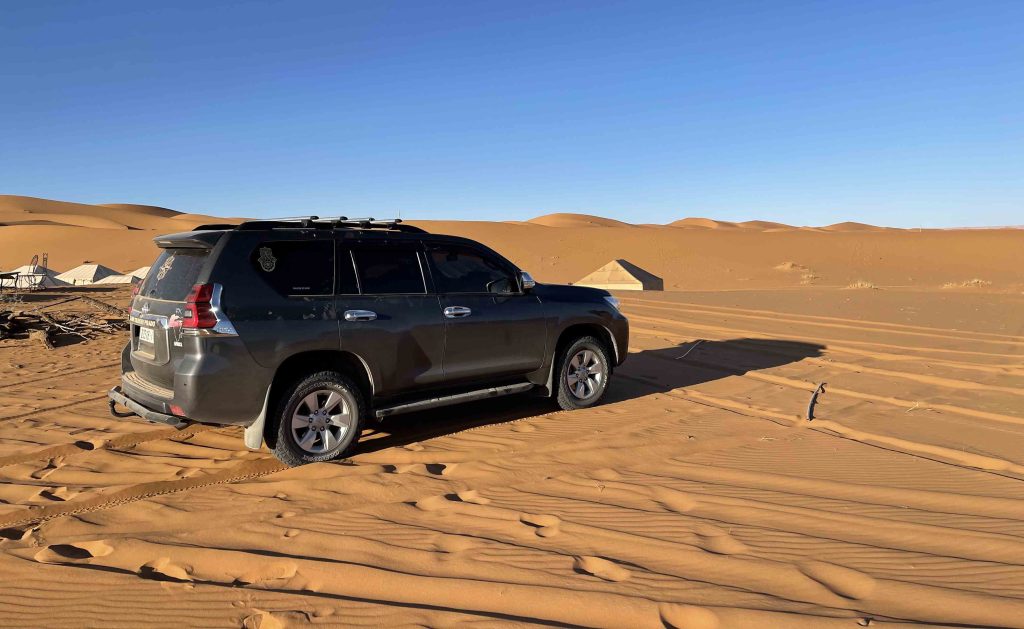
For travelers heading toward the Sahara, Midelt and the Ziz Gorges offer more than a detour. They provide a revelation. You transition between the green north and the ochre pre-Saharan plateaus. This prepares you spiritually for the dunes ahead. The drive takes roughly three and a half hours via the N13 road.
Midelt is a small mountain town. Famous for apple orchards, it also produces Berber carpets. Artisans craft items from local minerals. You can buy directly from small workshops. The landscape shifts gradually. Cedar forests give way to high plains. Berber villages appear at every bend. The road itself becomes the show.
The Ziz Gorges cut deep rocky incisions. The wadi flows through a verdant palm grove. This creates an almost surreal contrast to dry landscapes. It reminds you how water shapes life in arid regions.
This is not a single-day excursion. A round trip from Fez takes about seven hours of driving. That distance risks exhaustion and dangerous fatigue. We strongly advise planning an overnight stay. Stay in Midelt or near the gorges. Drive safely on the well-maintained but winding N13. Enjoy changing light at sunrise and sunset.
Several guided Morocco Desert Tours include Midelt as part of a longer route to Merzouga. This makes an ideal prologue to deeper Sahara exploration. Do not rush it. Let the road unfold naturally.

Bonus: Immouzer Kandar & Taza — Hidden Stops Near Fez
Two quick excursions reward travelers who prefer slower itineraries. Hidden landscapes often outperform famous names.
Immouzer Kandar sits about forty minutes southeast of Fez. This small high-altitude resort lies among orchards. A seasonal waterfall makes a perfect lunch break. It serves as a natural gateway on the way to Ifrane and Azrou. You can photograph the gradual transition from urban to alpine scenery.
Taza lies about one hour and twenty minutes east. This is one of Morocco’s oldest imperial cities. It perches on a rocky outcrop. Beautiful views reveal the “Taza corridor” between the Rif and Middle Atlas. Great dynasties passed through this corridor for centuries. History feels tangible here.
The Friouato caves sit about forty minutes from Taza. They rank among the deepest in Africa. Stalactites and hidden chambers create an unusual underground environment. Cool air contrasts sharply with the sun above.
Whether you are on a Fes Photography Tour or simply exploring, these stops provide texture. They enrich a comprehensive Morocco Photography Tours experience.
Photography, Jewish Heritage & Custom Itineraries: Specialized Morocco Tours
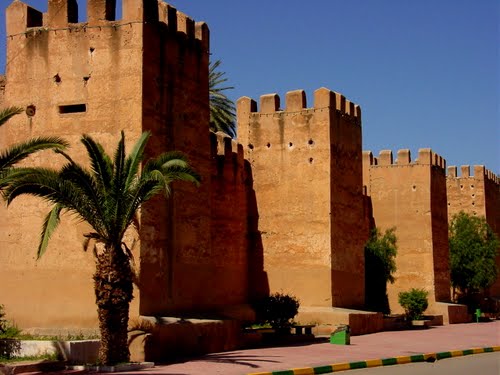
Many travelers seek experiences beyond standard sightseeing. Morocco Photo Tours offer guided access to the best light and angles. Experts understand technical composition. They also respect cultural etiquette. You can explore Fès, Marrakech, Tangier, and Casablanca through a camera lens.
Jewish Heritage Tours Morocco provide specifically curated pathways. You will visit mellahs, synagogues, and historical neighborhoods. Cities like Fez and Marrakech hold centuries of Jewish coexistence. This heritage contributed enormously to Moroccan culture.
The 18 Day Portugal, Spain & Morocco itinerary represents a comprehensive Custom Morocco Tours option. You experience Iberian and North African heritage in one journey. Lisbon’s street art connects to Seville’s architecture. Both connect to Fès’s medinas. The narrative flows seamlessly.
Photo Tours can also focus on specific interests. Urban portraiture in the Fez medina works well. Landscape photography in the Ziz Gorges suits nature lovers. Architectural studies of the Hassan II Mosque appeal to designers. Your visual memories will match the emotional depth of the experience.
Always request guides who understand each city’s dynamics. Fes Photography Tour, Tangier Photography Tour, Casablanca Photography Tour, and Marrakech Photography Tour differ significantly. Light conditions change. Crowd patterns shift. Cultural access rules vary. An expert ensures you are in position at the right hour.
Morocco DMC, MICE & Events: Corporate, Weddings & Conferences
Beyond leisure travel, Morocco operates sophisticated Morocco DMC networks. Destination Management Companies provide end-to-end logistics. They serve groups, brands, and governments. Flawless execution is their specialty.
Morocco MICE services have expanded dramatically. MICE stands for Meetings, Incentives, Conferences, and Exhibitions. Marrakech, Casablanca, and Fez all host excellent venues. Historic riads and modern convention centers both exist. They accommodate intimate board retreats and international trade presentations.
Corporate Events Morocco and Destination Weddings Morocco rely on local experts. These experts understand that Moroccan elegance requires more than decoration. They navigate local customs and vendor relationships. They understand seasonal rhythms that outsiders rarely master.
Whether you need conference organization Morocco, conference organization Marrakech, or conference organization Casablanca, specialized agencies provide bilingual staff. They handle AV logistics. They design cultural programming. A standard meeting becomes a memorable experience.
Tour operator in Morocco, Morocco event planner, and events agency Morocco services extend to luxury celebrations. You can blend traditional tagine dinners with modern entertainment. Palatial settings provide the backdrop.
Event planning Marrakech, Event planning Casablanca, and luxury events Marrakech represent specific market strengths. Vendors have refined their craft over decades. They serve an international clientele with precision.
Finally, event planning Morocco ensures that every detail is coordinated. This includes airport transfers, floral design, and photography. You reduce your risk and amplify your results. A single point of contact handles everything.
Conclusion: Plan Your Journey from Fez With Confidence and Clarity
Tours from Fez represent far more than a convenient starting point. They form a complete framework for understanding Morocco’s regional diversity. You can explore imperial grandeur in Meknès. You can walk pre-Saharan landscapes in Midelt. You can find blue serenity in Chefchaouen. You can watch alpine wildlife in Azrou.
This Morocco Travel Guide and Morocco Vacation Guide has emphasized independent verification. We provide transparent pricing and realistic timing. We believe the best journeys are planned with both enthusiasm and caution.
Whether you book Luxury Morocco Tours, arrange Morocco Holiday Packages, or design Custom Morocco Tours, always confirm restoration schedules. Reserve guided entries and spa packages in advance. Carry cash for rural parking and small vendors.
If your itinerary expands to include Morocco Photo Tours, Jewish Heritage Tours Morocco, or professional event coordination through a Morocco DMC, ensure your partners understand both logistical complexity and cultural sensitivity. This combination yields exceptional results.
As you move from Fez into the broader kingdom, compare Tours from Marrakech, explore Tours from Casablanca, and venture toward Tours from Tangier. Remember that the spiritual capital is not just a stop. It is the foundation upon which the rest of your Moroccan story is built.
Start with our three favorites. Expand with the ten detailed excursions. Let curiosity guide you toward photography, heritage, and events. These experiences transform a simple vacation into a lasting narrative.