English


Morocco Travel Guide: The Ultimate Guide to Tours, Holiday Packages and a 14-Day Itinerary
Morocco is a country that captures your attention from the first moment you arrive. From colorful medinas and ancient palaces to golden desert dunes, blue mountain towns, Atlantic coastlines, and traditional kasbahs, Morocco offers a journey filled with culture, beauty, history, and adventure. Therefore, if you are planning your first trip, this Morocco Travel Guide will help you understand where to go, when to visit, how to travel, what to pack, and which experiences are truly worth adding to your itinerary.
Moreover, Morocco is not only a destination for independent travelers. It is also perfect for guided Morocco Tours, private journeys, luxury escapes, family holidays, photography trips, Jewish heritage routes, corporate retreats, destination weddings, and custom-made travel experiences. Whether you are looking for Morocco Holiday Packages, Morocco Desert Tours, Morocco Private Tours, or a complete Morocco Vacation Guide, this article gives you a clear and practical overview of how to plan an unforgettable journey.
Why Visit Morocco?
Morocco is one of the most diverse destinations in North Africa. In one trip, you can walk through the ancient streets of Fes, explore the red walls of Marrakech, sleep under the stars in the Sahara Desert, hike through mountain valleys, photograph the blue alleys of Chefchaouen, and visit centuries-old kasbahs surrounded by dramatic landscapes. As a result, Morocco appeals to travelers who want more than just one type of holiday.
In addition, Morocco offers a powerful mix of Arab, Amazigh, African, Andalusian, and French influences. This cultural blend appears in the food, architecture, languages, music, markets, clothing, and hospitality. Consequently, every region feels different, which makes a well-planned itinerary or professional Morocco Tour Packages especially helpful for first-time visitors.
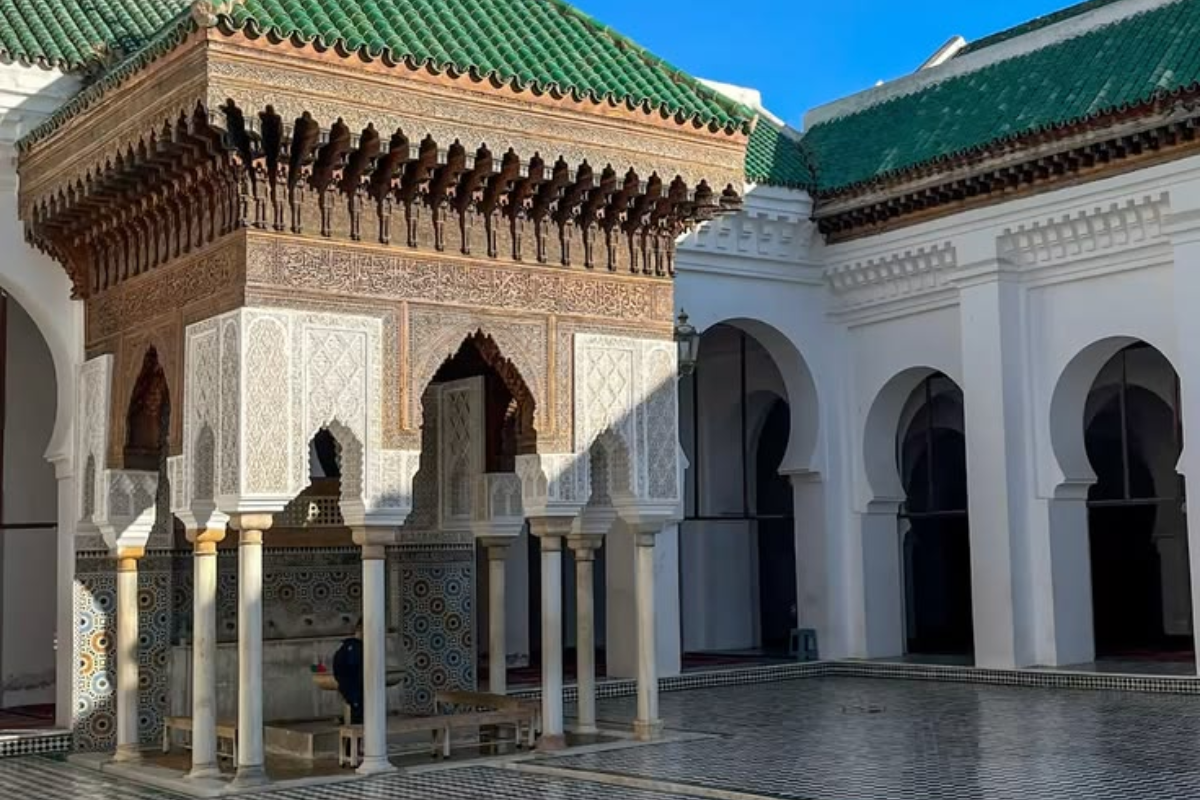
Morocco Travel guide Overview
This Morocco Travel Guide is designed for travelers who want a complete and practical planning resource. It covers the best time to visit Morocco, essential travel tips, transportation, accommodation, safety, food, packing advice, tour options, and a detailed 14-day itinerary. Furthermore, it includes useful information for travelers searching for private tours, desert experiences, photo trips, Jewish heritage journeys, and luxury travel services.
Additionally, this guide is useful if you are choosing a travel agency morocco visitors can rely on, a professional Tour operator in Morocco, or a local team offering Morocco Tours Services. Instead of only listing places to visit, it explains how different travel styles can shape your experience, whether you prefer independent travel, guided tours, luxury travel, group tours, or tailor-made itineraries.
Best Time to Visit Morocco
The best time to visit Morocco is usually during spring and autumn. The months from March to May and September to November are generally the most comfortable for sightseeing, walking, hiking, desert travel, and photography. During these seasons, the days are warm, the evenings are cooler, and the weather is more balanced across cities, mountains, and desert areas.
However, Morocco can be visited all year depending on your travel style. Summer can be very hot in Marrakech, Fes, and the Sahara Desert, although coastal cities such as Casablanca and Essaouira are usually more pleasant. Meanwhile, winter can bring mild days in the cities, cold nights in the desert, and snow in the Atlas Mountains. Therefore, packing layers is always important.

Morocco Weather by Region
Morocco’s weather changes significantly from one region to another. Coastal cities such as Casablanca, Rabat, Tangier, and Essaouira usually have milder temperatures because of the Atlantic breeze. On the other hand, inland cities such as Marrakech and Fes can become very hot in summer and much cooler in winter, especially in the evenings.
Meanwhile, the Atlas Mountains have a different climate altogether. They are cooler throughout the year, and snow is possible in winter. In contrast, the Sahara Desert can be extremely hot during the day but surprisingly cold at night. Therefore, if your Morocco itinerary includes cities, mountains, and desert camps, you should prepare for several climates in one trip.
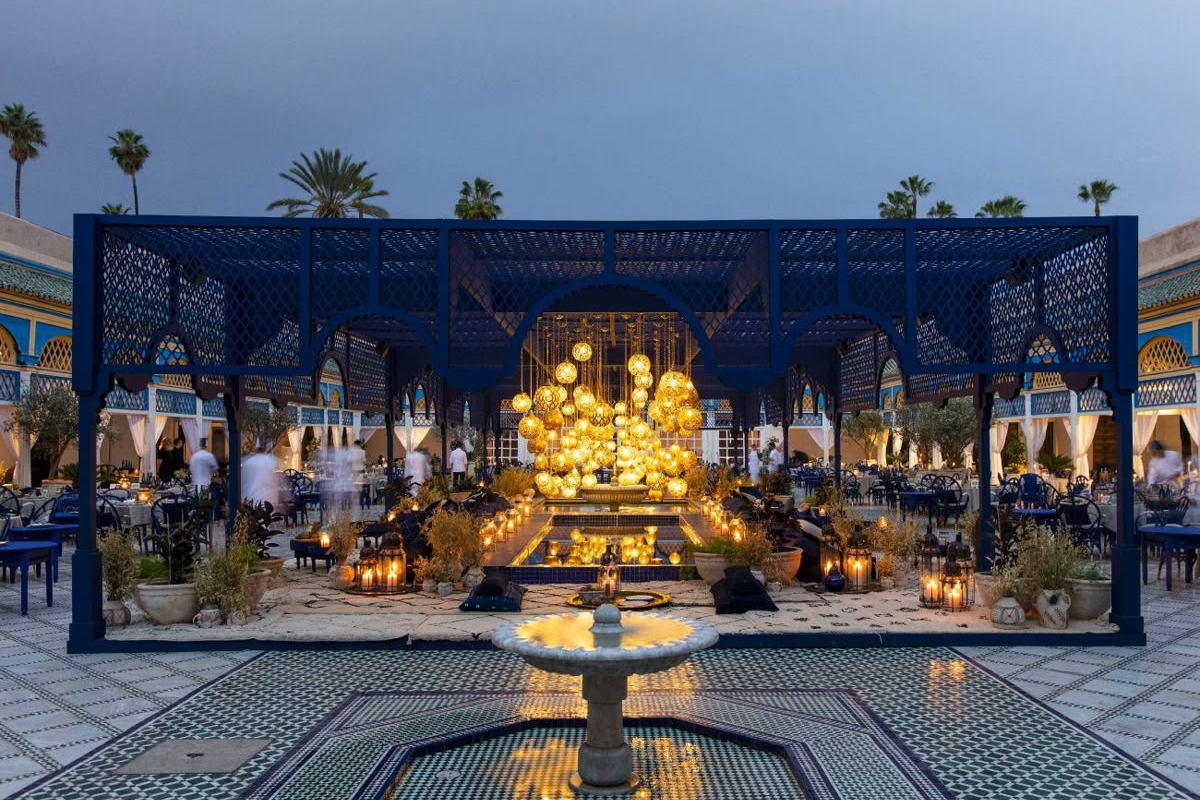
Essential Morocco Travel Information
The local currency is the Moroccan Dirham, often written as MAD. ATMs are available in most large cities, but cash is still very important in Morocco. You will need small bills for taxis, souks, local restaurants, tips, public restrooms, small shops, and rural villages. Therefore, it is always helpful to carry enough cash for daily expenses.
Arabic and Amazigh are official languages in Morocco, while French is widely spoken in many areas. English is also common in tourist zones, hotels, riads, restaurants, and tour companies. Nevertheless, learning a few simple phrases can make your trip smoother. For example, “shukran” means thank you, “la, shukran” means no thank you, and “salam alaikum” is a respectful greeting.
Morocco Visa and Entry Tips
Many nationalities can visit Morocco for tourism without a visa for up to 90 days. However, visa rules depend on your passport, nationality, and travel purpose. Therefore, it is always best to check current entry requirements before booking your flight or confirming your tour package.
In addition, make sure your passport is valid for your trip and that it is stamped when you enter Morocco. If you are booking with a professional travel agency morocco or a reliable Tour operator in Morocco, they may also remind you to confirm visa requirements before departure. Still, the final responsibility remains with the traveler.
Moroccan Culture and Etiquette
Morocco is a Muslim country, so respecting local culture is important. In medinas, villages, mosques, and conservative areas, travelers should dress modestly. This usually means covering shoulders, avoiding very short clothing, and choosing comfortable outfits that are respectful while still suitable for warm weather.
Furthermore, it is polite to ask before photographing people, especially in markets, rural villages, and religious areas. Public displays of affection should be kept discreet, and during Ramadan, travelers should be especially mindful of local customs. As a result, respectful behavior will help you have a more positive and meaningful experience.
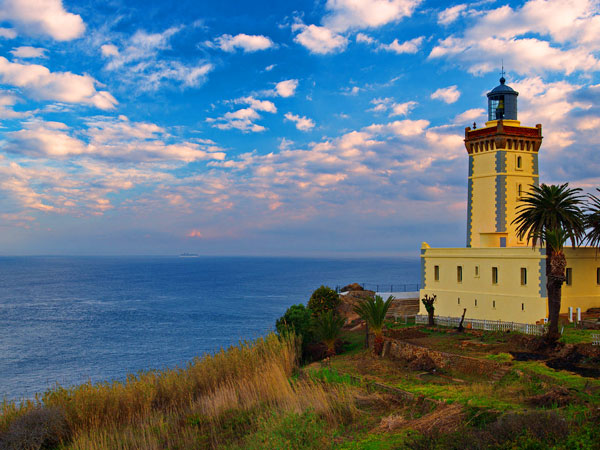
Is Morocco Safe for Travelers?
Morocco is generally a popular and welcoming travel destination, but travelers should still use normal street awareness. Pickpocketing, scams, and aggressive selling can happen in busy medinas, markets, transport areas, and popular tourist zones. Therefore, keep your valuables secure, avoid carrying too much cash, and be cautious when someone offers unsolicited help.
Moreover, women travelers may sometimes experience catcalling or unwanted attention, especially in larger cities. The best approach is usually to stay confident, ignore comments, and say “la, shukran” firmly if needed. In addition, booking reputable accommodations, using licensed guides, and arranging trusted transport can make your trip much easier.
How to Get Around Morocco
Getting around Morocco is easier than many travelers expect. Trains connect several major cities, including Casablanca, Rabat, Fes, Marrakech, and Tangier. Therefore, trains are a good option for travelers who want comfort and reliability between large urban centers.
However, not every destination is connected by train. Places such as Chefchaouen, the Sahara Desert, Todra Gorge, M’Goun Valley, and Ait Benhaddou usually require buses, private drivers, rental cars, or organized tours. For this reason, many travelers choose Morocco Private Tours or Custom Morocco Tours for the more remote parts of the journey.
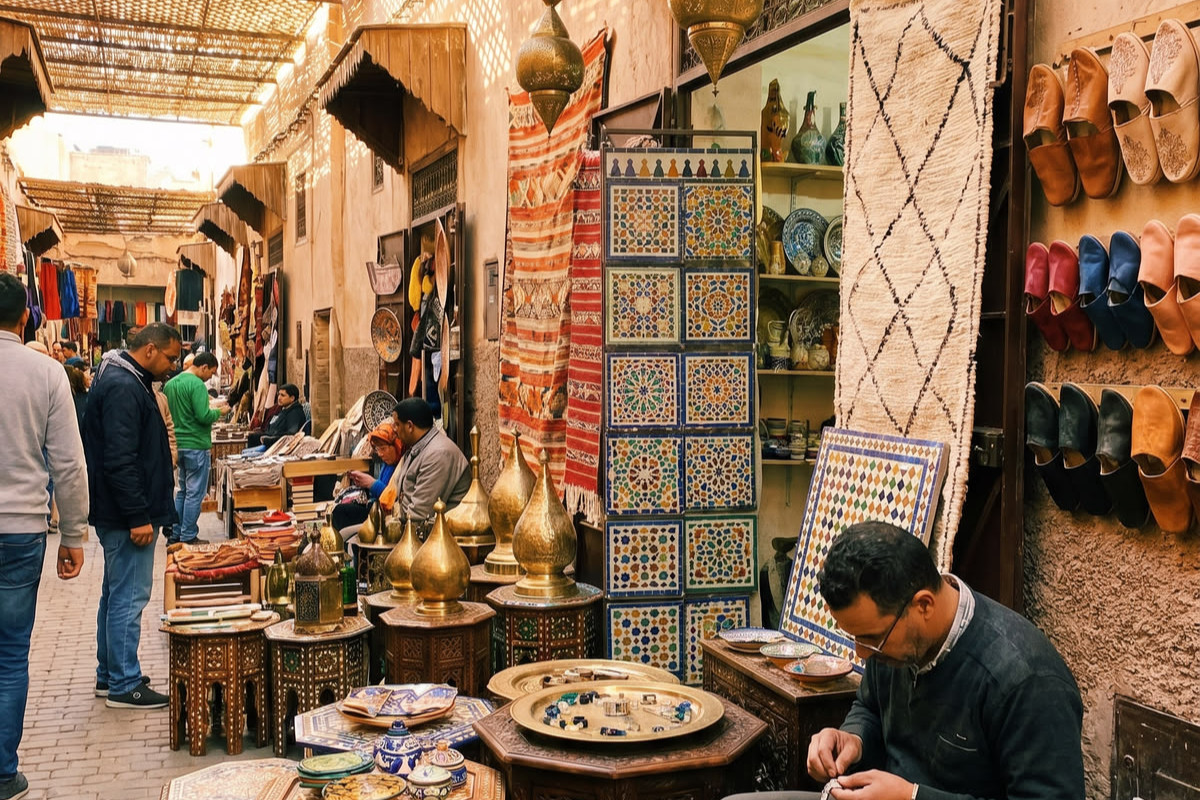
Morocco Tours and Travel Services
If you prefer a stress-free trip, booking professional Morocco Tours can make your experience much smoother. Guided tours are especially helpful if you want to visit several regions, avoid complicated transport planning, and learn more about Moroccan history and culture from local experts. Moreover, tours can be adapted for couples, families, solo travelers, photographers, luxury travelers, and corporate groups.Professional Morocco Tours Services may include airport transfers, hotel bookings, riad stays, desert camps, private drivers, local guides, day trips, cultural experiences, restaurant reservations, event planning, and custom itineraries. Therefore, choosing the right local company can save time and improve the overall quality of your trip.
Morocco Holiday Packages and Vacation Planning
Morocco Holiday Packages are ideal for travelers who want everything arranged in advance. These packages may include accommodation, transportation, guided visits, meals, desert experiences, and airport transfers. As a result, they are a convenient choice for first-time visitors, families, honeymooners, and travelers with limited planning time.
In addition, a complete Morocco Vacation Guide should help you decide what kind of holiday fits your style. For example, some travelers want a cultural tour through imperial cities, while others prefer luxury riads, desert camps, photography stops, food experiences, or adventure activities. Therefore, Morocco can be customized for many different types of travelers.
Morocco Private Tours
Morocco Private Tours are one of the best options for travelers who want flexibility. Unlike fixed group tours, private tours allow you to travel at your own pace, choose your preferred hotels, stop for photos, adjust the schedule, and focus on the experiences that matter most to you. Consequently, they are ideal for couples, families, honeymooners, and small groups.
Furthermore, private tours are especially useful for long routes such as Fes to the Sahara Desert, Merzouga to Todra Gorge, M’Goun Valley to Ait Benhaddou, and Ait Benhaddou to Marrakech. These routes involve long driving days, mountain roads, and remote stops. Therefore, having a private driver can make the journey more comfortable and enjoyable.
Luxury Morocco Tours
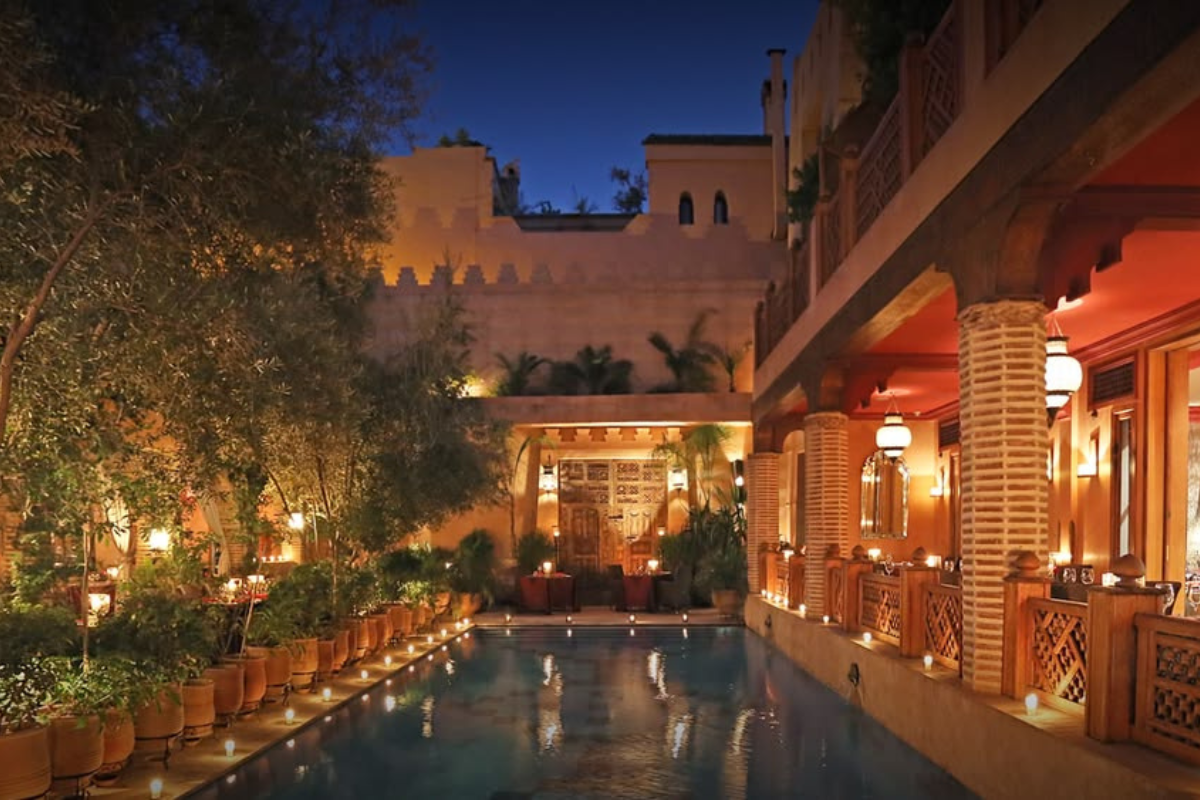
For travelers seeking comfort, Luxury Morocco Tours offer a more refined way to explore the country. These tours may include five-star hotels, boutique riads, premium desert camps, private guides, luxury vehicles, exclusive dining, spa treatments, and carefully designed cultural experiences. Moreover, luxury travel in Morocco often focuses on atmosphere, privacy, and authentic details.
In addition, luxury tours can include special experiences such as private cooking classes, hot air balloon rides near Marrakech, sunset desert dinners, guided shopping with local experts, hammam rituals, and curated visits to artisan workshops. Therefore, luxury in Morocco is not only about expensive hotels; it is also about thoughtful planning, comfort, and access to memorable experiences.
Morocco Desert Tours
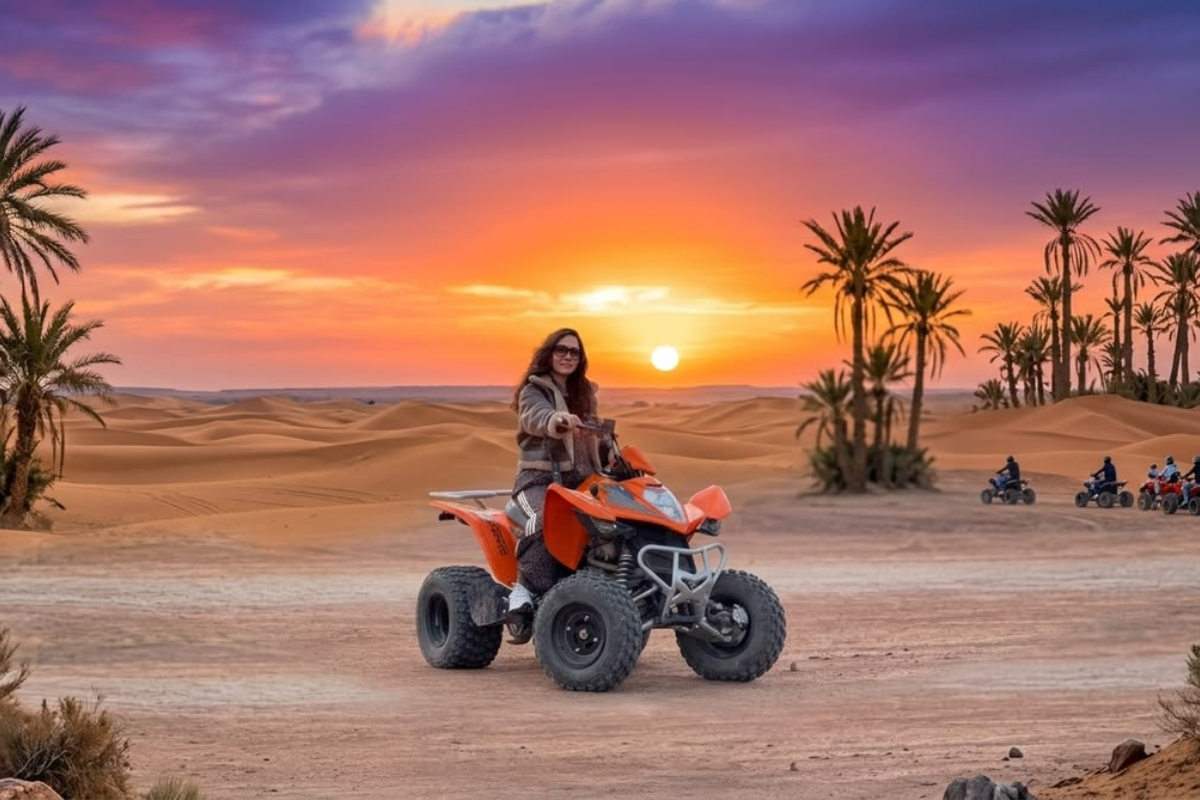
Morocco Desert Tours are among the most popular experiences in the country. The Sahara Desert offers golden dunes, camel rides, 4WD transfers, sunset viewpoints, traditional music, campfire dinners, and nights under star-filled skies. As a result, many travelers consider the desert the highlight of their Morocco itinerary.
However, desert tours require careful planning because travel times are long. From Marrakech or Fes, reaching the Sahara can take many hours, often with overnight stops along the way. Therefore, it is best to include the Sahara in a 3-day, 4-day, or longer itinerary rather than rushing it in one day.
Morocco Day Trips
Morocco Day Trips are perfect if you are based in one city and want to explore nearby attractions without changing hotels. For example, from Marrakech, you can visit the Atlas Mountains, Essaouira, Ouzoud Waterfalls, Ourika Valley, or Ait Benhaddou depending on how much driving you are willing to do.
Similarly, from Fes, travelers can visit Meknes, Volubilis, Moulay Idriss, or the Middle Atlas. From Casablanca, popular day trips may include Rabat or El Jadida. Meanwhile, from Tangier, travelers can explore Tetouan, Chefchaouen, Asilah, or the Mediterranean coast. Therefore, day trips are a flexible way to add variety to your Morocco vacation.
Tours from Marrakech
Tours from Marrakech are among the most popular options because Marrakech is a major travel hub. From the city, you can book desert tours, Atlas Mountains excursions, Essaouira day trips, Ourika Valley visits, Ouzoud Waterfalls trips, and Ait Benhaddou tours. Moreover, Marrakech is also a great starting point for luxury escapes and adventure travel.
In addition, many travelers begin longer Morocco Tour Packages in Marrakech because the city has excellent accommodation, restaurants, guides, and transport connections. Whether you want a short day trip or a multi-day Sahara Desert tour, Marrakech offers plenty of options for every budget and travel style.
TOURS FROM MARRAKECH :
2 Days In Desert M’hamid El Ghizlaine
3 Days Tour From Marrakech To Erge Chegaga
3 Days Tour From Marrakech To Fez
4 Days Trip From Marrakech To Desert Erg Chebbi
5 Days Marrakech entertiement & Sahara Tour
8 Days from Marrakech To Marrakech
13 Days From Marrakesh fairytale The trek to the desert and its history
2 Days Tour From Fez To Merzouga & The Sahara Desert
3 Days Tour From Fes To Marrakech Through Desert Merzouga
4 Days Tour From Fes To Marrakech Via Erg Chebbi
5 Days Tour From Fez To Marrakech Through Desert Tour
Tours from Fez
Tours from Fez are ideal for travelers who want to explore northern Morocco, imperial cities, Roman ruins, mountain towns, and the Sahara Desert. From Fez, you can visit Meknes, Volubilis, Chefchaouen, Ifrane, the Middle Atlas, or Merzouga. Therefore, Fez is a strong starting point for cultural and desert itineraries.
Moreover, many travelers choose the route from Fez to Marrakech via the Sahara Desert because it creates a beautiful cross-country journey. This route often includes Midelt, Merzouga, Todra Gorge, Dades Valley, Ait Benhaddou, and the High Atlas Mountains. As a result, it is one of the most scenic travel routes in Morocco.
Tours from Casablanca
Tours from Casablanca are convenient for travelers arriving on international flights. Casablanca is often the first stop in Morocco, and it can easily connect travelers to Rabat, Marrakech, Fes, Meknes, Chefchaouen, and the Sahara Desert. Therefore, it is a practical starting point for both short and long tours.
In addition, Tours from Casablanca can be customized for business travelers, families, luxury clients, and cultural travelers. Some visitors only have a few days and prefer Casablanca, Rabat, and Marrakech. Others may choose a longer route that includes the imperial cities, Chefchaouen, the desert, and the High Atlas Mountains.
Tours from Tangier
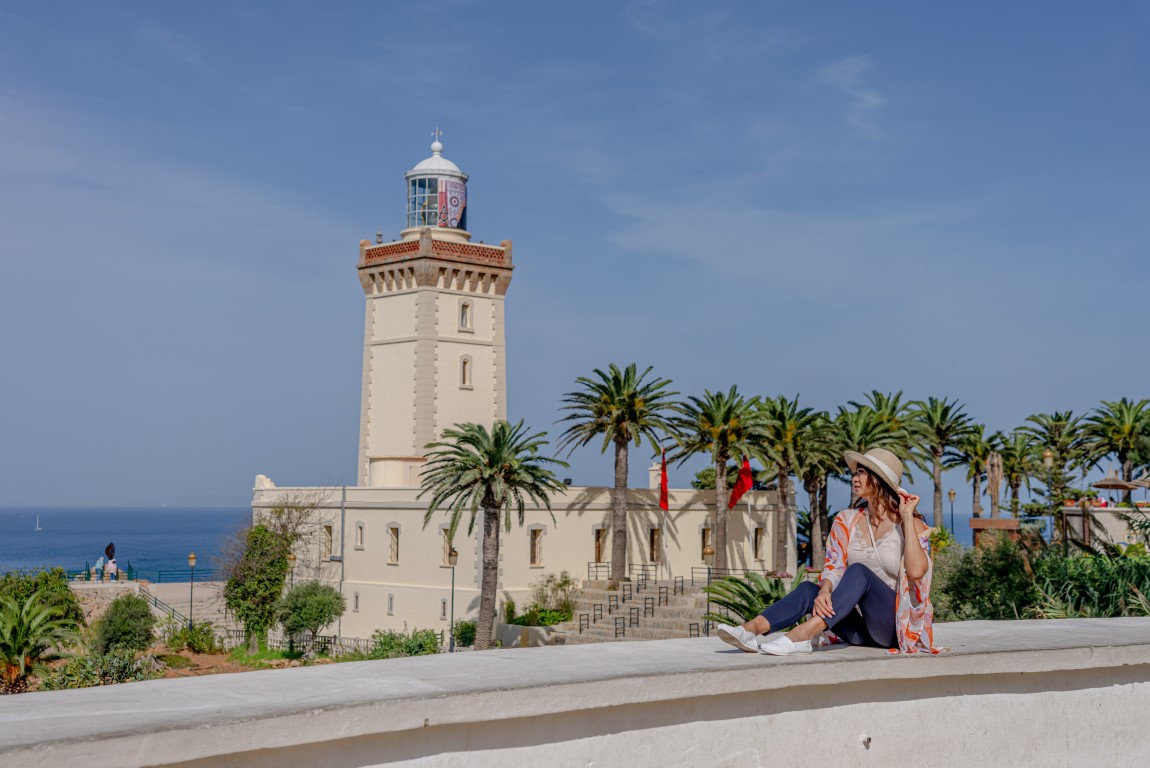
Tours from Tangier are excellent for travelers arriving from Spain or starting in northern Morocco. Tangier has a unique international history, a coastal atmosphere, and easy access to places such as Chefchaouen, Tetouan, Asilah, Rabat, Fes, and Casablanca. Therefore, it works well as the beginning of a north-to-south Morocco itinerary.
Furthermore, Tangier is a useful starting point for travelers interested in culture, photography, Jewish heritage, coastal scenery, and Mediterranean influences. A Tangier-based route can continue toward Chefchaouen, Fes, the Sahara Desert, and Marrakech, creating a complete and varied Moroccan journey.
Morocco Jewish Heritage Tours
Morocco has a rich Jewish history, and travelers interested in Morocco jewish heritage can explore synagogues, cemeteries, mellahs, museums, pilgrimage sites, and historic neighborhoods. Cities such as Casablanca, Fes, Marrakech, Essaouira, Rabat, and Tangier all have important Jewish heritage connections.
Jewish Heritage Tours Morocco are especially meaningful for travelers with family roots in Morocco or those interested in religious history, cultural memory, and interfaith heritage. Moreover, a specialized guide can provide deeper context and help visitors understand the long relationship between Jewish communities and Moroccan society.
Morocco Photo Tours and Photography Experiences
Morocco is a dream destination for photographers. Its colors, textures, architecture, landscapes, markets, desert light, and traditional crafts create endless creative opportunities. Therefore, Morocco Photo Tours and Morocco Photography Tours are popular among both beginners and professional photographers.
These Photo Tours may focus on medinas, portraits, landscapes, street photography, architecture, desert scenes, blue streets, markets, and cultural details. In addition, professional photography tours can be customized around sunrise, sunset, golden hour, and less crowded times of day. As a result, photographers can capture Morocco with better light and stronger storytelling.
Marrakech, Fes, Tangier and Casablanca Photography Tours
A Marrakech Photography Tour is perfect for capturing souks, palaces, gardens, rooftops, street scenes, doors, lanterns, spices, and the energy of Djemaa el-Fna. However, because Marrakech can be busy, a local photography guide can help you find quieter corners and better angles.
A Fes Photography Tour is ideal for traditional crafts, ancient streets, tanneries, carved doors, workshops, and medina life. Meanwhile, a Tangier Photography Tour may focus on coastal views, old streets, Mediterranean light, and international history. Similarly, a Casablanca Photography Tour can include modern architecture, Hassan II Mosque, oceanfront scenes, markets, and city life.
Custom Morocco Tours
Custom Morocco Tours are ideal for travelers who want an itinerary built around their interests. Instead of following a fixed route, custom tours can focus on food, culture, photography, hiking, desert experiences, Jewish heritage, luxury travel, family travel, honeymoon experiences, or adventure.
Moreover, custom tours allow travelers to control the pace. For example, some visitors want more time in Marrakech and the Sahara, while others prefer Fes, Chefchaouen, and northern Morocco. Therefore, a custom tour is often the best choice if you want a personal and meaningful Morocco experience.
18 Day Portugal, Spain & Morocco Itinerary Option
For travelers who want a larger journey, an 18 Day Portugal, Spain & Morocco itinerary can be an excellent option. This type of trip usually combines Iberian culture with Moroccan history, architecture, food, and landscapes. As a result, it offers a rich cross-cultural experience.
For example, travelers may begin in Portugal, continue through southern Spain, and then cross into Morocco through Tangier or another gateway. From there, the trip can include Chefchaouen, Fes, the Sahara Desert, Marrakech, and Casablanca. Therefore, this route works well for travelers who want a deeper Mediterranean and North African adventure.
Morocco DMC and MICE Travel Services
For companies, agencies, and professional groups, a reliable Morocco DMC can organize destination management services across the country. These services may include transportation, hotels, guides, venue selection, team-building experiences, gala dinners, logistics, airport transfers, and VIP travel planning.
In addition, Morocco MICE services are useful for meetings, incentives, conferences, and exhibitions. Morocco offers strong options for business events in cities such as Marrakech, Casablanca, Rabat, Tangier, and Fes. Therefore, it is a competitive destination for companies seeking cultural atmosphere, luxury venues, and professional event support.
Corporate Events and Conferences in Morocco
Corporate Events Morocco can include business meetings, incentive trips, executive retreats, product launches, networking events, and team-building programs. With the right local team, companies can combine professional planning with memorable cultural experiences such as desert dinners, riad receptions, cooking classes, or guided city tours.
Professional conference organization Morocco services are especially useful for international companies planning events in major cities. In particular, conference organization Marrakech and conference organization Casablanca are popular because both cities offer strong hotel infrastructure, event venues, transport access, and luxury hospitality options.
Destination Weddings and Event Planning in Morocco
Destination Weddings Morocco are becoming increasingly popular because the country offers romantic riads, desert camps, luxury hotels, palace-style venues, gardens, beaches, and mountain backdrops. Therefore, couples can create a wedding that feels elegant, exotic, and deeply memorable.
A professional Morocco event planner or events agency Morocco can manage logistics, décor, catering, music, transportation, guest experiences, and venue coordination. Moreover, services such as event planning Morocco, Event planning Marrakech, and Event planning Casablanca are helpful for weddings, private celebrations, luxury dinners, and corporate gatherings.
Luxury Events in Marrakech and Casablanca
Marrakech is one of the best cities for high-end celebrations. Luxury events Marrakech may include palace dinners, rooftop receptions, private garden parties, desert-inspired décor, traditional entertainment, and exclusive riad buyouts. As a result, the city is ideal for weddings, brand events, incentive trips, and VIP celebrations.
Meanwhile, Casablanca is well suited for modern business events, conferences, product launches, and elegant private functions. Event planning Casablanca and conference organization Casablanca are especially useful for companies that need professional venues, business hotels, airport access, and polished event coordination.
The Ultimate 14-Day Morocco Itinerary
This 14-day itinerary is perfect for first-time travelers who want to experience Morocco’s highlights without rushing too much. It includes imperial cities, Roman ruins, blue streets, mountain landscapes, desert dunes, kasbahs, and the vibrant energy of Marrakech. Therefore, it offers a balanced introduction to Morocco.
Moreover, this route can be completed independently, with a private driver, or as part of organized Morocco Tour Packages. If you prefer comfort and flexibility, a private tour is recommended, especially for the Sahara Desert and mountain sections.
Day 1: Casablanca Arrival
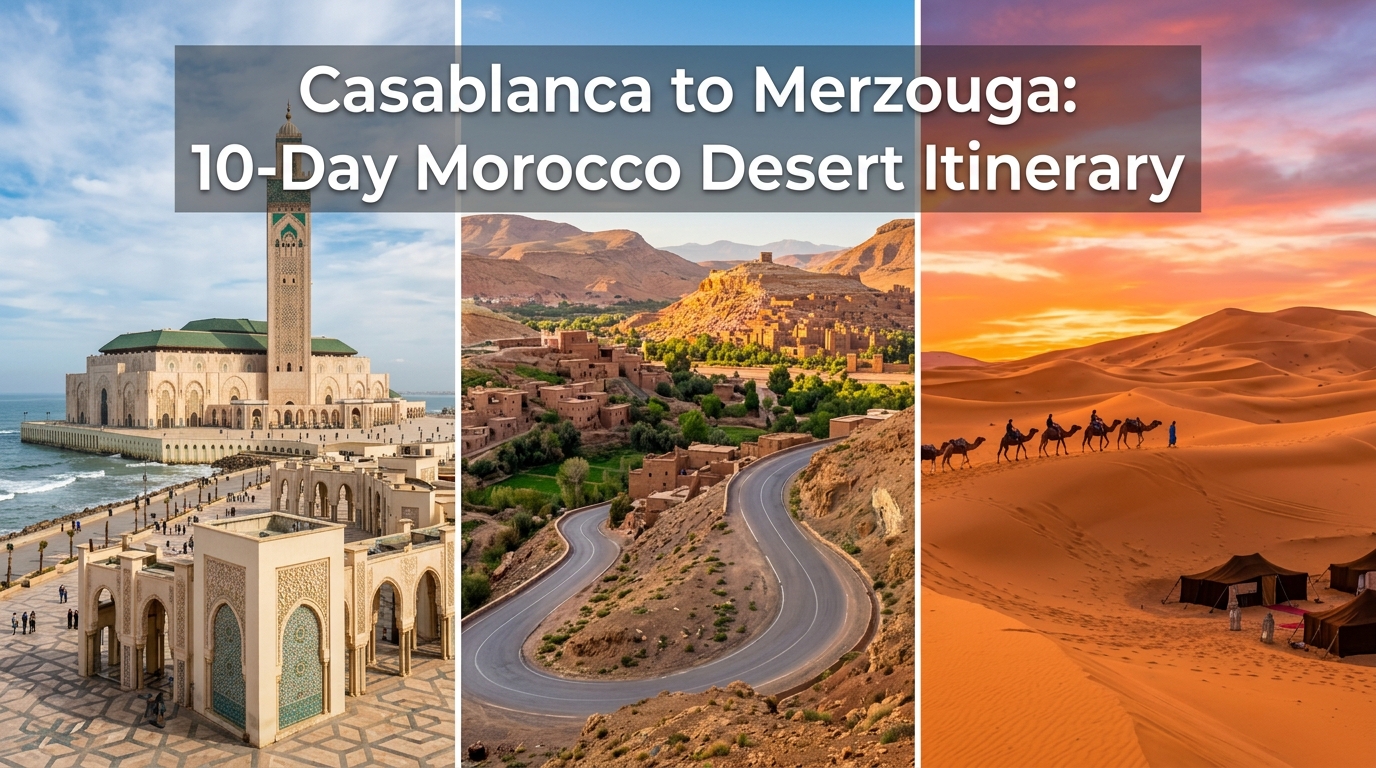
Your journey begins in Casablanca, Morocco’s largest city and one of its main international gateways. Although many travelers only pass through Casablanca, it is worth spending at least one night here to rest after your flight and enjoy your first impression of the country.
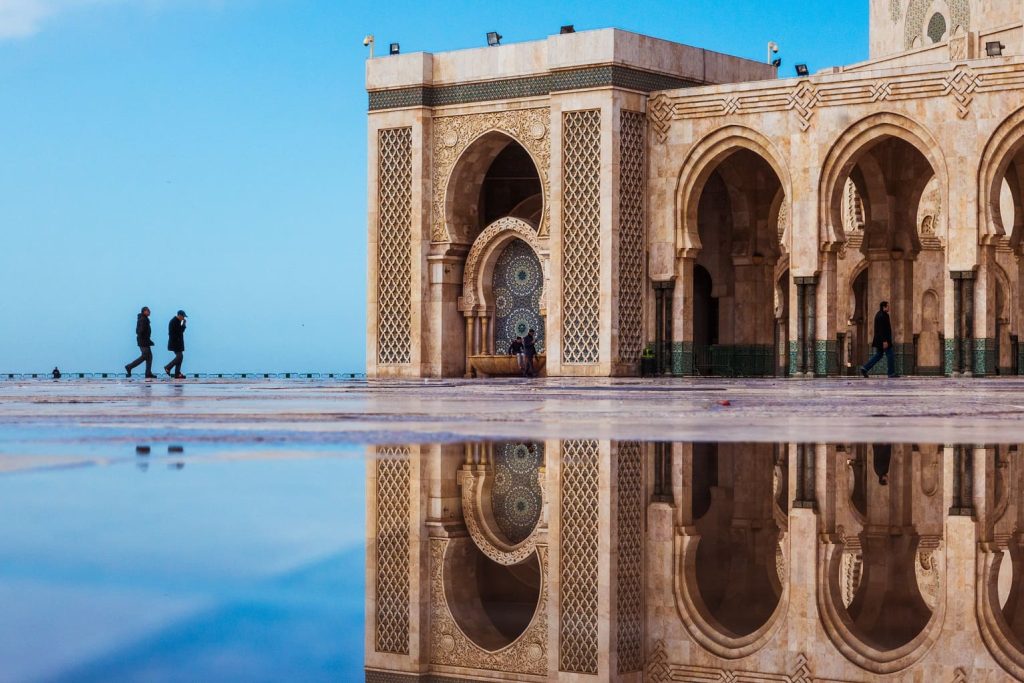
The main highlight is Hassan II Mosque, located dramatically beside the Atlantic Ocean. Afterward, you can walk along the Corniche, explore the old medina, visit a café, or enjoy a relaxed dinner before your road trip begins.
Day 2: Casablanca, Rabat and Meknes
After breakfast, travel from Casablanca to Rabat, Morocco’s capital city. Rabat is calmer than Marrakech and Fes, making it a pleasant stop for travelers who want history without too much intensity. Visit the Kasbah des Oudaias, Hassan Tower, and the Mausoleum of Mohammed V.
Later, continue to Meknes, one of Morocco’s imperial cities. Meknes is quieter than Fes and Marrakech, but it has beautiful gates, historic walls, and a charming medina. Therefore, it is a practical and interesting overnight stop before visiting Volubilis.
Day 3: Volubilis and Chefchaouen
Begin the day at Volubilis, Morocco’s famous Roman archaeological site. Walk among ancient columns, mosaics, arches, and stone streets while enjoying views of the surrounding countryside. This stop adds historical depth to your Morocco itinerary.
Afterward, continue to Chefchaouen, the famous Blue Pearl of Morocco. Nestled in the Rif Mountains, Chefchaouen is known for its blue-painted streets, relaxed atmosphere, and photogenic corners. In the evening, wander through the medina and enjoy dinner with a view.

Day 4: Chefchaouen to Fes
Wake up early to enjoy Chefchaouen before the crowds arrive. The morning light is perfect for photography, especially around the blue doors, stairways, and quiet alleys. You can also visit the Kasbah or hike to the Spanish Mosque viewpoint for panoramic views.
In the afternoon, travel to Fes, one of Morocco’s most important cultural cities. Fes feels more traditional and intense than Chefchaouen. Therefore, take the evening slowly, enjoy dinner in a riad, and prepare for a full day of exploring the old medina.
Day 5: Explore Fes
Fes is often described as a living museum because its medina feels ancient, complex, and deeply traditional. Spend the day exploring Fes el-Bali, where narrow lanes lead to workshops, mosques, madrasas, fountains, food stalls, and artisan shops.
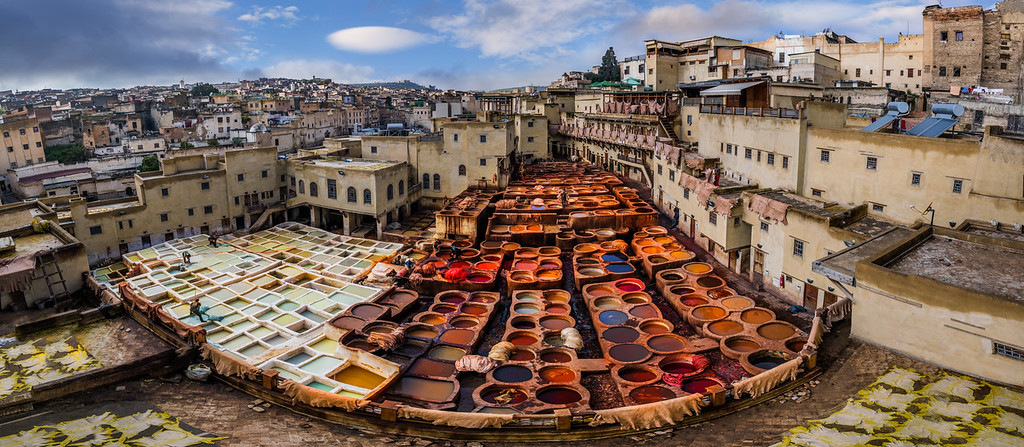
Highlights include Medersa el Attarine, Funduq al-Najjarin, the Chouara Tanneries, and the old souks. However, because the medina is confusing, hiring a licensed local guide is highly recommended. As a result, you will understand more and feel less stressed.
Day 6: Fes to Midelt
After the intensity of Fes, travel south toward Midelt in the Middle Atlas region. The scenery changes from urban streets to cedar forests, mountain roads, orchards, and rural landscapes. Therefore, this day feels refreshing and calm.
Midelt is often used as an overnight stop between Fes and the Sahara Desert. However, it also gives travelers a chance to slow down, breathe cooler mountain air, and prepare for the desert experience ahead.

Day 7: Midelt to Sahara Desert
Today is one of the most memorable days of the itinerary. Continue south toward Merzouga and the Erg Chebbi dunes. As you approach the Sahara, the landscape becomes drier, wider, and more dramatic.
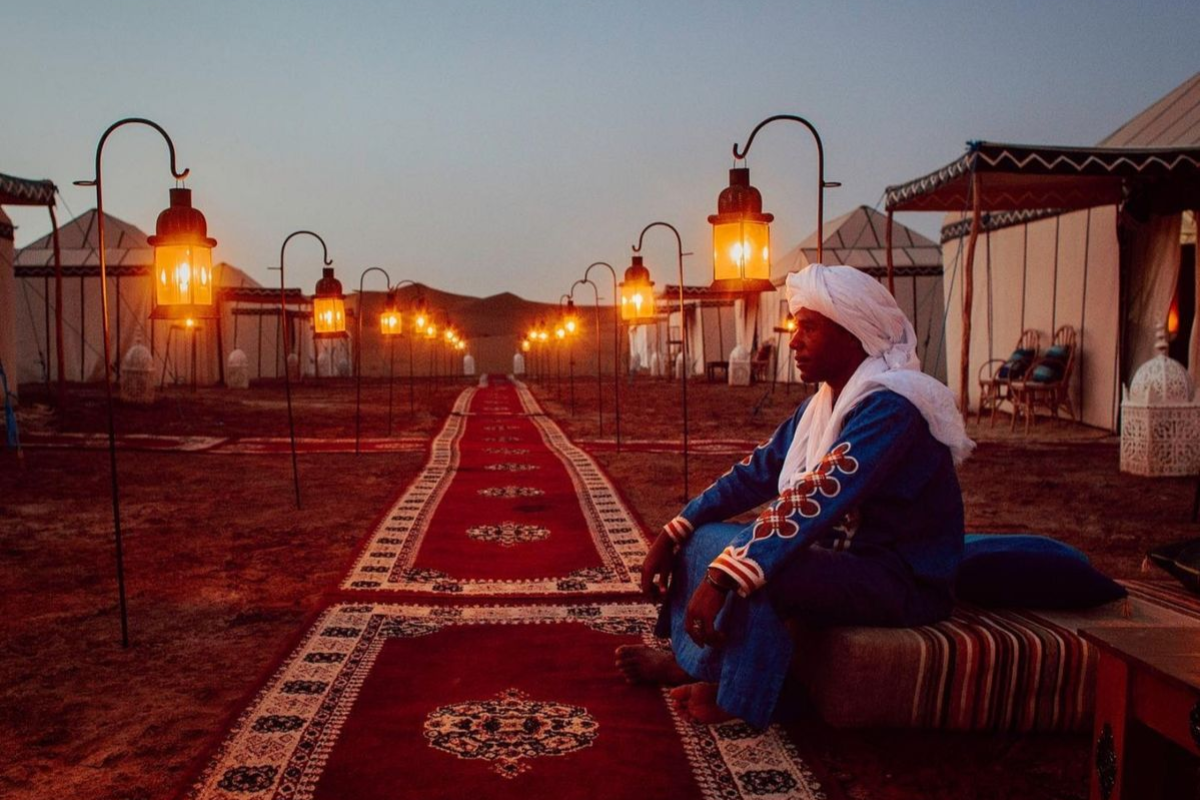
In the late afternoon, ride a camel or take a 4WD transfer into the desert camp. Then watch the sunset over the dunes, enjoy dinner under the stars, and listen to traditional music around the campfire. Consequently, this night often becomes the highlight of a Morocco trip.
Day 8: Sahara Desert, Todra Gorge and M’Goun Valley
Wake early to watch sunrise over the Sahara Desert. The silence, colors, and soft morning light make this a magical experience. After breakfast, leave the dunes and travel toward Todra Gorge, a dramatic canyon with towering rock walls.
Later, continue to M’Goun Valley, a peaceful rural region known for Amazigh traditions and mountain scenery. Stay in a local gîte or guesthouse and enjoy a more authentic side of Morocco away from the busy cities.
Day 9: M’Goun Valley
Spend the day hiking through villages, terraced fields, valleys, and rural paths. This part of Morocco is slower and more traditional, so it gives you a valuable contrast to the medinas and desert landscapes.
In addition, you may have the chance to learn about henna traditions from a local naquasha. Henna is used for weddings, festivals, and special life events. Therefore, this experience can offer meaningful cultural insight while supporting local women.
Day 10: M’Goun Valley to Ait Benhaddou
Travel along scenic roads toward Ait Benhaddou, passing kasbahs, palm groves, desert-colored mountains, and traditional villages. This route is often called the Road of 1,000 Kasbahs because of the many historic fortified buildings found along the way.
Arrive at Ait Benhaddou, one of Morocco’s most iconic locations. Its earthen architecture, hillside setting, and cinematic appearance make it a must-see destination. Moreover, sunset is a beautiful time to explore and photograph the area.
Day 11: Ait Benhaddou to Marrakech
Cross the High Atlas Mountains on the way to Marrakech. The drive includes winding roads, mountain views, and small villages. Therefore, it is one of the most scenic travel days of the itinerary.
Arrive in Marrakech by afternoon or evening. After checking into your riad, head to Djemaa el-Fna, the city’s famous main square. The atmosphere is lively, colorful, loud, and unforgettable, especially after dark.
Day 12: Marrakech Palaces, Souks and Gardens
Spend your first full day in Marrakech exploring the old medina. Visit Bahia Palace, Koutoubia Mosque from the outside, Le Jardin Secret, and the colorful souks filled with spices, carpets, lanterns, ceramics, textiles, and leather goods.
However, Marrakech can feel overwhelming if you try to do too much at once. Therefore, take breaks on rooftop terraces, drink mint tea, and allow time for slow wandering. You can also visit Majorelle Garden or enjoy a traditional hammam.
Day 13: Marrakech History and Architecture
Use your final full day to explore more of Marrakech’s historic sites. Visit Ben Youssef Madrasa, El Badi Palace, and the Saadian Tombs. These places show different sides of the city’s architecture, history, and artistic detail.
In addition, you can choose a special final experience such as a cooking class, food tour, hot air balloon ride, or private shopping tour. As a result, your last day in Morocco can feel personal and memorable.
Day 14: Departure from Marrakech
On your final morning, enjoy a slow breakfast at your riad. If time allows, return to the souks for last-minute souvenirs such as ceramics, argan oil, spices, tea glasses, lanterns, baskets, textiles, or leather goods.
Finally, take a moment to enjoy one last mint tea on a rooftop terrace. After two weeks of cities, mountains, desert, villages, food, culture, and color, Morocco will likely stay in your memory long after you leave.